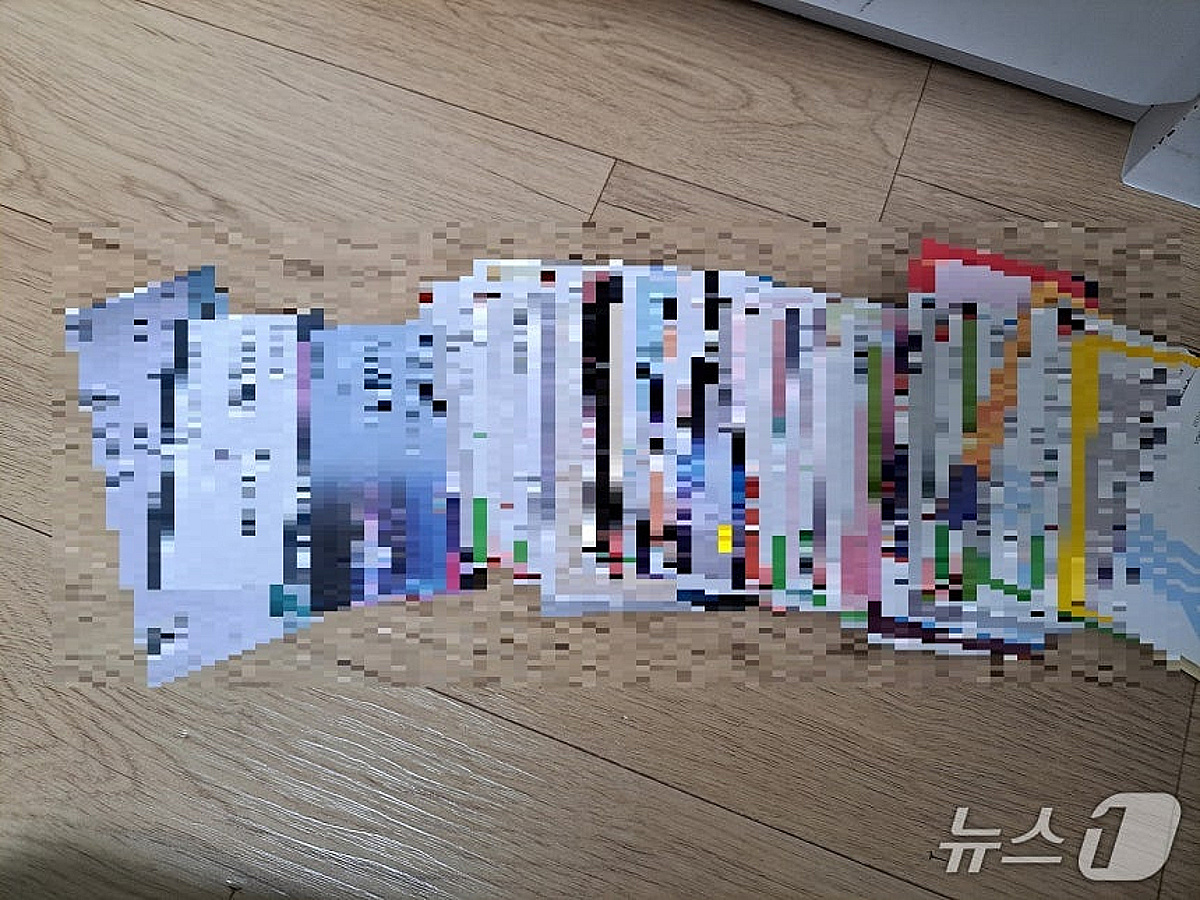
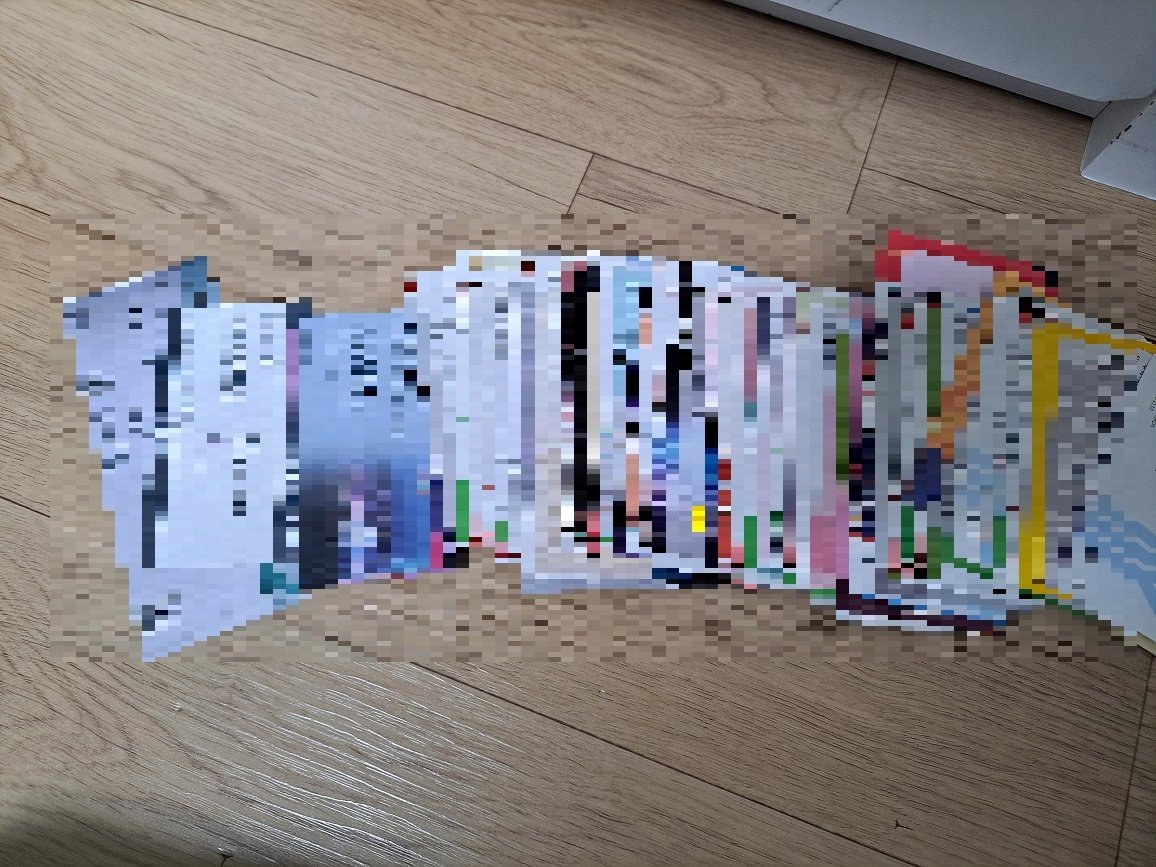
As of September 16, 2026, Gyeonggi Northern Provincial Police announced they arrested and referred a man in his 30s to prosecutors on charges of business obstruction for buying up huge blocks of concert and event tickets and reselling them at a markup. Using bots and accounts registered to acquaintances, he reportedly secured 8,967 tickets and resold them for up to 27 times face value, pocketing roughly 2.4 billion won (about $1.8 million). Police say the proceeds were funneled into real estate purchases.
Key points
- Gyeonggi Northern Provincial Police's Cyber Crime Investigation Unit 2 arrested the man, identified only as "A," on business obstruction charges and referred him to prosecutors in June.
- He used bot software and seven accounts registered under relatives' names to buy up large blocks of tickets for concerts and sporting events.
- For a 2019 BTS concert in Jamsil, tickets with a face value of 110,000 won resold for as much as 3 million won.
- Police froze more than 1.2 billion won in his assets before indictment, including two commercial properties and bank deposits.
Cyber crime investigators in Gyeonggi Province's northern district have wrapped up their case against a man in his 30s who ran a long-running ticket resale operation, and he's now headed to trial. Investigators found he had no other job and lived off ticket reselling alone, a hustle that ran for more than seven years, from around fall 2018 until this past spring. To keep up appearances, he'd even registered a legitimate e-commerce business.
His method: run bot software to snap up tickets the moment sales opened, then split the haul across seven accounts registered to himself, family members, and relatives. Once he had the tickets, he'd hand off wristbands in person on show day, change the shipping address to the buyer's, or simply transfer the booking account itself.
Prices varied wildly by event. Tickets for a 2019 BTS concert in Jamsil that listed for 110,000 won ($83) sold for as much as 3 million won ($2,260). Tickets for a Stray Kids show last year priced at 165,000 won went for 2 million won. Seventeen fan-meeting tickets jumped from 110,000 won to 1.8 million won, and tickets to Bruno Mars's 2023 Korea concert, originally around 250,000 won, changed hands for nearly five times that.
The man reportedly traded tips and recruited accomplices through what was once the country's largest online chatroom for ticket scalping — since shut down. When news broke in March that police had rounded up a large scalping ring, he cut ties immediately and wiped his computer and phone, even asking an AI chatbot about the state of the police investigation. But police were already working the case through that same chatroom, and forensic evidence recovered from a USB drive during a raid was enough to prove the full scope of his operation.
During questioning, the man claimed he didn't know the reselling was illegal and said he'd paid his taxes properly. The court disagreed, finding the charges well-substantiated enough to issue an arrest warrant. Police determined he pocketed roughly two-thirds of his sales as actual profit and used the money to buy an apartment and two commercial properties. By the time he was caught, he'd already sold the apartment, but police placed the remaining commercial properties and bank deposits under an asset freeze ahead of trial.
FAQ
Was concert ticket scalping already illegal in Korea?
Bot-assisted purchases were already punishable before the change, but the revised Performance Act, in effect since late August, broadened the law to penalize unauthorized ticket resale itself, regardless of whether bots were involved.
What exactly is the "macro program" at the center of this case?
It's bot software that automates seat selection and checkout on ticketing sites, letting a user snap up seats far faster than a real person could — and grab far more of the best seats than anyone buying manually.
What happens to the frozen assets?
The commercial properties and bank deposits that police and prosecutors identified as criminal proceeds have been placed under an asset preservation order before indictment, meaning they can't be sold or transferred until the trial concludes.
More from Korea today
BLACKPINK's Lisa Opens Up on Racism Row, Threats →SK Hynix Workers Approve Revised Wage Deal →
📎 원문 보기 · Sources
세계일보 · Sep 16, 2026BTS 콘서트 표 11만원→300만원… 암표 8967장 팔아 24억 챙긴 30대Read the full story & photos at the source →
머니투데이 · Sep 16, 202611만원 BTS 티켓, 300만원 되팔이...암표 9000장 팔아 24억 챙긴 30대 - 머니투데이Read the full story & photos at the source →
동아일보 · Sep 16, 2026아이돌 티켓 싹쓸어 간 30대 암표상, 24억 벌어 아파트·상가 샀다Read the full story & photos at the source →
Leave a Reply