Category: K-Food

  • Kimbap Nears 4,000 Won as Neighborhood Diners Vanish

    Kimbap Nears 4,000 Won as Neighborhood Diners Vanish

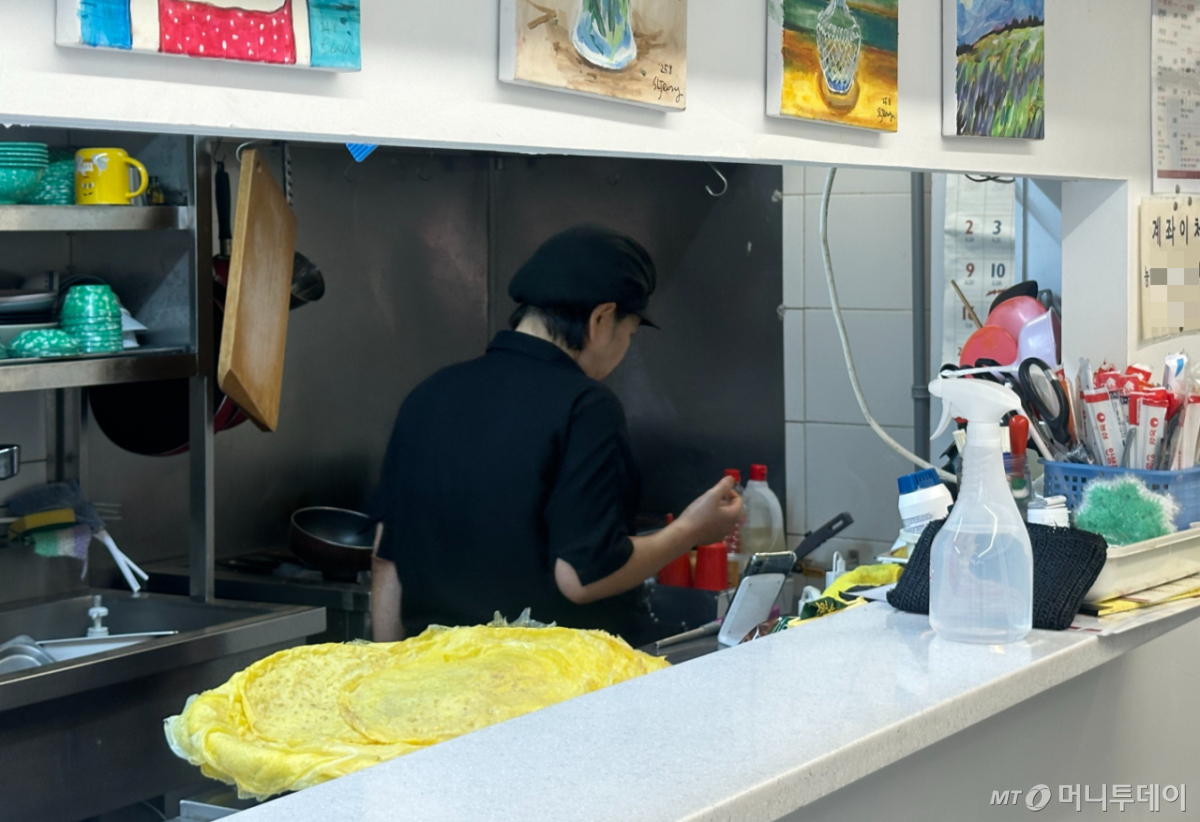
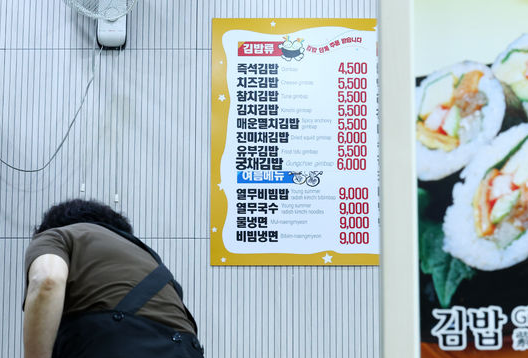
    As of September 13, 2026, a single roll of kimbap in Seoul averages nearly 3,800 won (about $2.80), edging toward the symbolic 4,000 won ($3) mark. Rising ingredient and labor costs have pushed the number of snack-shop businesses nationwide down every month for more than two and a half years.

    47,863Registered snack-shop businesses nationwide as of June
    31 monthsConsecutive months snack-shop numbers have declined
    18.3%Minimum wage increase over the past five years

    Key points

    • National Tax Service data show 47,863 registered snack-shop (bunsikjip) businesses nationwide as of June, down for 31 straight months since December 2023.
    • Seoul's average kimbap roll price has climbed to the high-3,800-won range (about $2.80), up roughly 6% from a year earlier — a steeper rise than most other dining-out items.
    • Major chains like Gobongmin Kimbapin, Kimganae, and Barda Kimseonsaeng have all shed locations in recent years, and Kimganae's original 1992 flagship recently closed for good.
    • With rice, eggs, and dried seaweed prices climbing alongside the minimum wage, some owners say they clear only a few hundred won in profit per roll sold.

    For generations, kimbap and baekban (a home-style set meal of rice, soup and side dishes) were Korea's low-stakes, everyday lunches. But as ingredient costs, labor, and rent have all climbed at once in recent years, the shops that sold these familiar meals are quietly disappearing.

    In Seoul, kimbap prices have crept up to around 3,500 won (about $2.60) — barely different from a convenience-store triangle kimbap or kimbap roll, which sit at similar prices. Owners describe a bind: raise prices to cover higher ingredient costs and risk losing customers, or hold the line and eat the loss.

    The numbers show it. Gobongmin Kimbapin's store count fell from 591 in 2020 to 383 this year. Kimganae dropped from 459 locations in 2021 to 335 today. Barda Kimseonsaeng shrank from 150 stores in 2021 to just 87 this year, and the original flagship of one of Korea's first-generation kimbap chains, in Seoul's Jongno district, recently shut down.

    Kimbap is notoriously hard to automate — it requires cooking rice, prepping eggs, vegetables and meat, and rolling each one by hand. Baekban has its own labor problem: fresh side dishes need to be prepared daily, meaning the labor-to-revenue ratio is thin.

    Interest in Korean food has grown abroad — banchan (Korean side dishes) even made it into English dictionaries — but at home, kimbap and baekban are still expected to be cheap. Experts note the irony: Koreans will happily pay more for trendy dishes like mala tang or tacos, but resist price increases on kimbap and baekban.

    In Korea right nowKorean consumers are split — some are frustrated that kimbap now costs about the same as a convenience-store version, while others say they understand why prices had to rise. On small-business forums, posts from owners describing squeezed margins are widely shared and draw a lot of sympathy.

    FAQ

    Why have kimbap prices gone up so much?

    Rice, eggs, dried seaweed and other key ingredients have all gotten pricier alongside the minimum wage, driving up the cost of making each roll.

    How many shops have actually closed?

    National Tax Service data show snack-shop numbers falling for 31 straight months, and major kimbap chains have all lost a significant share of their locations.

    Would visitors notice this?

    Yes — longtime kimbap and baekban spots in Seoul are thinning out, replaced by newer mala tang and taco restaurants, a shift visible just walking the streets.

    📎 원문 보기 · Sources

    경향신문 기사 이미지Kimbap Nears 4,000 Won as Neighborhood Diners Vanish경향신문 · Sep 13, 2026“편의점 김밥도 4000원”…마라탕엔 줄서는데 ‘싸구려 한식’에 갇혀 사라지는 동네 밥집Read the full story & photos at the source →
    머니투데이 기사 이미지Kimbap Nears 4,000 Won as Neighborhood Diners Vanish머니투데이 · Aug 24, 2026'4000원 김밥' 한 줄 팔면 겨우 500원 남는데..."비싸" 손님 발길도 뚝 - 머니투데이Read the full story & photos at the source →
    문화일보 기사 이미지Kimbap Nears 4,000 Won as Neighborhood Diners Vanish문화일보 · Aug 24, 2026“이제 아무도 안사가…” 4천원된 눈물의 김밥Read the full story & photos at the source →
    국민일보 기사 이미지Kimbap Nears 4,000 Won as Neighborhood Diners Vanish국민일보 · Aug 18, 2026김가네 1호점도 폐업…줄줄이 문 닫는 김밥집들Read the full story & photos at the source →

  • Chuseok Gifts Split Between Bargain and Ultra-Luxury

    Chuseok Gifts Split Between Bargain and Ultra-Luxury

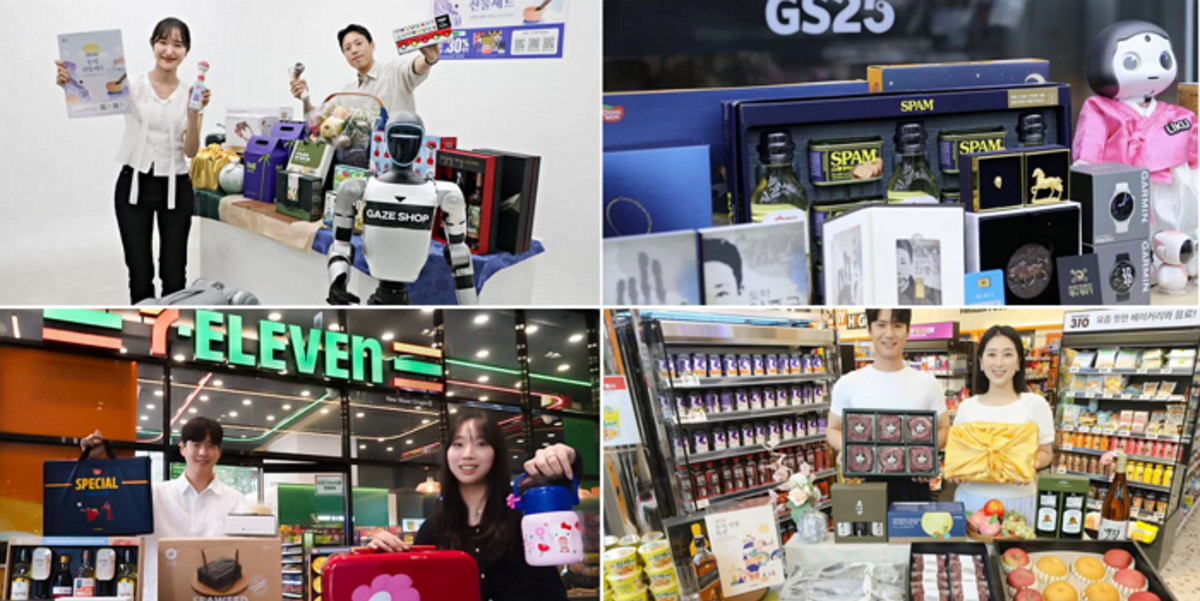
    As of September 12, 2026, this year's Chuseok (Korea's fall harvest holiday) gift market is splitting sharply between no-frills, budget-friendly sets and eye-popping luxury items. Convenience store chains are stocking walking robots priced around $23,000 (₩31 million) and wine sets nearing $7,000 (₩9.5 million), while food companies expand both value packs and premium lineups to reach an increasingly divided customer base.

    About $23,000 (₩31 million)Top price for a convenience store bipedal-robot gift set
    About $7,000 (₩9.5 million)Top price for a convenience store premium wine set
    260 varietiesNumber of Chuseok gift set types CJ CheilJedang offers this year
    30%Increase in Emart24's fresh food gift lineup versus last year

    Key points

    • Rising prices and interest rates are driving a split between budget-friendly and ultra-premium Chuseok gifts.
    • CJ CheilJedang rolled out its largest-ever lineup of gift sets this year, expanding its seafood offerings including tuna.
    • Convenience store chains are pitching humanoid and emotion-sensing social robots, plus pricey wine and whisky, as novelty gifts.
    • Some convenience chains sharply expanded fresh food like hanwoo (Korean beef) and gulbi (dried corvina), plus single- and two-person portions.

    With Chuseok, Korea's fall harvest holiday, approaching, gift-set lineups across the food and retail industries are splitting into two camps. Amid ongoing pressure from high prices and interest rates, budget-conscious, practical sets are multiplying right alongside limited-edition items priced sky-high.

    CJ CheilJedang expanded this year's holiday gift lineup to its largest-ever number of items, building a new premium line around one of its tuna brands and outlining plans to grow its seafood offerings further. Daesang's Chungjungwon brand likewise paired everyday staples — seasonings, cooking oil — with a high-end line of olive oil sets sorted by varietal. Dongwon F&B put together more than 100 sets, with a noticeably bigger share going to high-protein tuna products.

    Convenience store chains are leaning hardest into novelty. Humanoid walking robots and emotion-sensing social robots showed up on shelves with price tags in the tens of thousands of dollars and the thousands of dollars, respectively, alongside cheaper options like a Go-playing robot or a robot-shaped keyring that can hold conversations. In the liquor aisle, a wine set built around a specific vintage came in just under $7,000, next to bottles of long-aged whisky.

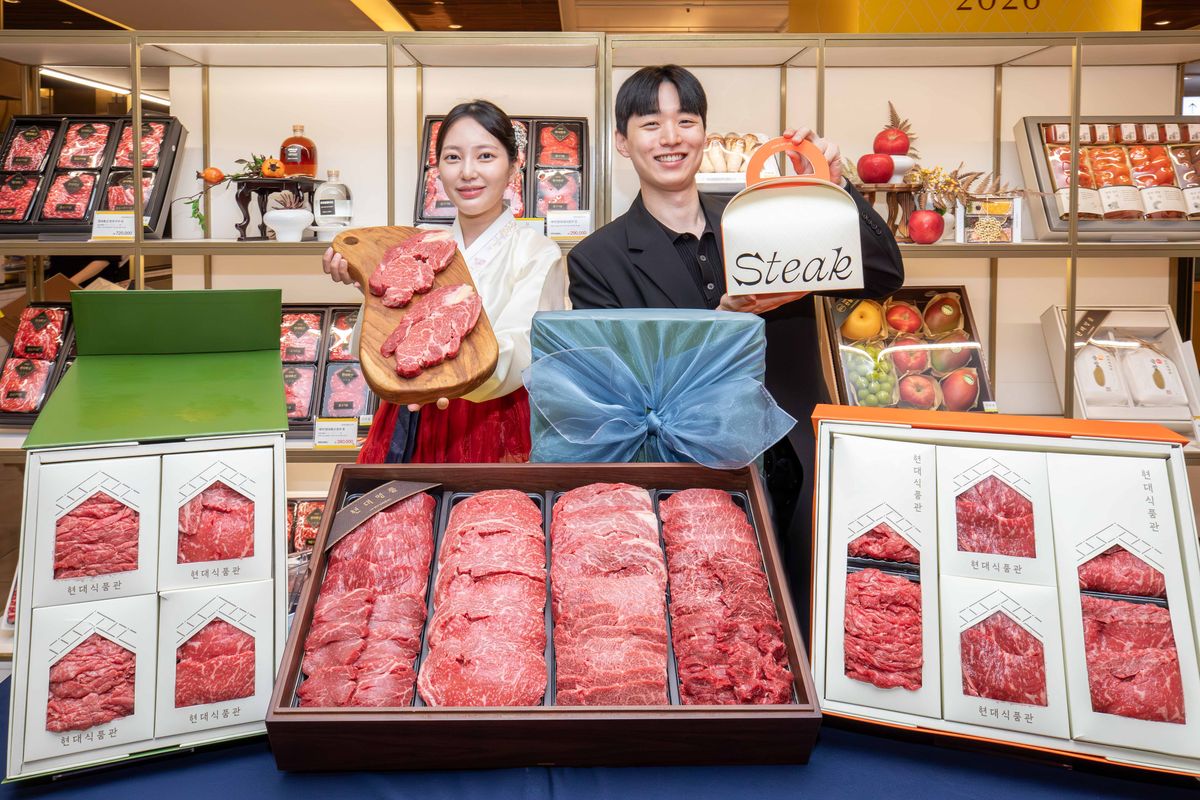
    Character IP merchandise and desserts built on hotel bakery recipes are aimed squarely at younger shoppers. Others went the opposite direction, leaning into fresh food: hanwoo (Korean beef) and gulbi (dried, salted corvina) — Chuseok staples — made it onto convenience store shelves, including smaller hanwoo portions sized for shoppers spending the holiday alone.

    Department stores, meanwhile, widened pre-order volumes and discounts. Some sharply increased their hanwoo-focused meat set inventory, while others expanded pre-order categories to include liquor, desserts and health foods — with some pre-order discounts reaching as much as half off.

    In Korea right nowIn Korea, shoppers are drawn to how far Chuseok gifts have stretched beyond food — into robots, gold and silver, and other novelty items. At the same time, the split is drawing comment: some are hunting for practical, no-frills sets given how high prices remain, while others say they're willing to splurge once on a premium gift this particular year.

    FAQ

    Why are there robots in this year's Chuseok gift sets?

    Convenience store chains added them to stand out and offer novelty beyond the usual food-focused lineups.

    Do the ultra-expensive gift sets actually sell?

    The priciest items are made in limited quantities; retailers say the goal is buzz and a premium image as much as volume sales.

    Are budget-friendly gifts still popular?

    Yes — practical, lower-cost sets like assorted jeon (savory pancakes), mandu (dumplings) and kimchi remain a broad part of every retailer's lineup.

    📎 원문 보기 · Sources

    노컷뉴스 기사 이미지Chuseok Gifts Split Between Bargain and Ultra-Luxury노컷뉴스 · Sep 12, 2026900만원대 편의점 와인도 '완판'…추석 선물 대전Read the full story & photos at the source →
    파이낸셜뉴스 기사 이미지Chuseok Gifts Split Between Bargain and Ultra-Luxury파이낸셜뉴스 · Sep 09, 2026실속형부터 수 천만원 선물도 등장.. 식품·유통업계 추석 선물 대전Read the full story & photos at the source →

    Chuseok Gifts Split Between Bargain and Ultra-Luxury포쓰저널 · Aug 17, 2026편의점 추석선물도 취향따라…로봇·호텔 디저트·한우까지Read the full story & photos at the source →
    인사이트 기사 이미지Chuseok Gifts Split Between Bargain and Ultra-Luxury인사이트 · Aug 17, 2026“캐릭터 굿즈부터 한우 와인까지” 편의점 4사, 추석 선물 판매 개시Read the full story & photos at the source →
  • Rice Cakes vs. Mochi: Convenience Store Dessert War

    Rice Cakes vs. Mochi: Convenience Store Dessert War

    As of September 3, 2026, GS25 has launched an exclusive yogurt rice cake in partnership with a popular dessert brand, while 7-Eleven added two new Japanese-style chocolate mochi flavors, heating up competition in convenience store desserts. Both chains are targeting shoppers in their 20s and 30s, as well as foreign tourists, with differentiated offerings.

    3,900 won (~$2.90)Price of the limited-edition yogurt rice cake
    400 unitsStock prepared for the trial sale
    130,000 unitsUnits sold of the previous chocolate mochi release
    53,000+Convenience stores nationwide

    Key points

    • GS25 teamed up with a dessert brand that got its start in Seoul's Seongsu-dong and a manufacturing partner to sell the yogurt rice cake exclusively for 3,900 won (about $2.90).
    • In a trial sale at two stores in Seoul and Incheon in late August, the entire stock sold out in just 15 minutes.
    • 7-Eleven expanded its mochi lineup to four flavors, adding shine muscat tart and sweet potato to its existing injeolmi (roasted soybean powder) and chocolate options.
    • The earlier chocolate mochi product sold 130,000 units within two months of its debut.

    Korea's convenience store chains are locked in a quiet rivalry over dessert lineups. GS25, run by GS Retail, is pushing a modernized take on traditional Korean sweets, while 7-Eleven, operated by Korea Seven, is leaning on snacks popular in Japan — and the shelf-space competition is heating up.

    GS25 announced on September 3 that it's the first convenience store chain to launch a yogurt rice cake, made in partnership with a dessert brand that started on the café-lined streets of Seoul's Seongsu-dong and a specialty manufacturer. The brand has drawn long lines at food halls in Shinsegae, Hyundai and Lotte department stores, and is considered a must-visit stop for foreign tourists in Korea. The new product is sold frozen and priced at 3,900 won (about $2.90).

    A pre-launch trial run also drew buzz. At a store in Seoul's Gangnam office district, workers lined up on their lunch break, while travelers stopped by a store at an international airport terminal before their flights. The combined stock at both locations sold out within 15 minutes of going on sale.

    Around the same time, 7-Eleven revamped its chocolate-coated mochi lineup. It added a summer-limited shine muscat tart flavor and a late-summer sweet potato flavor to its existing injeolmi and chocolate options, bringing the total to four varieties. The series debuted last year and became a steady seller, moving more than 130,000 units within about two months of launch.

    Behind the rivalry lies a sense of urgency: with more than 53,000 convenience stores now open nationwide, growth from simply opening new locations has stalled. Industry watchers say chains increasingly need exclusive products that draw customers to specific stores. That logic was reinforced earlier when GS25's bread series, made in partnership with a publisher and themed around world literature, sold 200,000 units in just a week.

    In Korea right nowPhotos and reviews of the lines forming for the new rice cake are spreading quickly on social media. With a trend of young people in their 20s and 30s touring famous rice cake shops already underway, many are excited to now find the treat easily at convenience stores. At the same time, the new Japanese-style mochi flavors — familiar since childhood for many — are drawing attention, with posts comparing the two products popping up online.

    FAQ

    Can I buy the new rice cake at other convenience stores?

    No. GS25 has an exclusive deal with the dessert brand and manufacturer, so it's only sold at GS25.

    What are 7-Eleven's new mochi flavors?

    7-Eleven expanded its lineup to four flavors, adding shine muscat tart and sweet potato to its existing injeolmi and chocolate options.

    Why are convenience stores competing so hard on desserts?

    With the number of stores nationwide reaching a saturation point, growth from new locations alone has become difficult, so chains are turning to store-exclusive products to draw in customers.

    📎 원문 보기 · Sources

    매일경제 기사 이미지Rice Cakes vs. Mochi: Convenience Store Dessert War매일경제 · Sep 03, 2026“찹쌀떡이냐 모찌냐”…편의점디저트 시장서 펼치지는 ‘한일전’ - 매일경제Read the full story & photos at the source →
    한국경제 기사 이미지Rice Cakes vs. Mochi: Convenience Store Dessert War한국경제 · Sep 03, 2026백화점에서 줄서 먹던 그 '찹쌀떡', 편의점에 풀린다 [갓신상]Read the full story & photos at the source →

  • Gimbap Hits $2.87 a Roll as Snack Shops Vanish

    Gimbap Hits $2.87 a Roll as Snack Shops Vanish

    As of August 30, 2026, a single roll of gimbap (seaweed rice roll) in Seoul averages 3,869 won (about $2.87), up 6.8% from a year earlier, and Korea's bunsikjeom (casual snack shops) have lost operators for 31 straight months. Rising labor costs and heat-driven inflation in raw ingredients are squeezing everyone from neighborhood stalls to major chains like Gobongmin Gimbap-in and Kimgane.

    47,863Registered bunsikjeom (snack shop) operators nationwide as of June 2026
    6.8%Year-over-year rise in Seoul's average gimbap roll price
    383 storesGobongmin Gimbap-in locations, down from 591 in 2020
    10,700 won (~$7.93/hr)Scheduled hourly minimum wage for next year

    Key points

    • As of June 2026, the number of registered bunsikjeom operators nationwide fell to 47,863 — the 31st consecutive monthly decline since tracking began.
    • Last month, Seoul's average price for a roll of gimbap reached 3,869 won (~$2.87), up 6.8% year-over-year — the biggest jump among dine-out staples.
    • South Korea's hourly minimum wage is 10,320 won (~$7.64) this year and is set to rise to 10,700 won (~$7.93) next year, adding further pressure on labor-heavy menus.
    • Major franchises including Gobongmin Gimbap-in and Kimgane have seen store counts shrink annually alongside mounting operating losses.

    According to data from the National Tax Service's tax statistics portal (TASIS), the number of bunsikjeom — casual Korean snack shops that sell gimbap, ramyeon, and other quick eats — dropped to 47,863 nationwide as of June 2026. That's down from 53,760 in December 2023, a steady 31-month slide that first pushed the count below 50,000 last September.

    Data from the Korea Consumer Agency's price-tracking service showed Seoul's average price for a single roll of gimbap hit 3,869 won (about $2.87) last month, up 6.8% from 3,623 won ($2.68) a year earlier. Compare that to other dine-out staples over the same period — kalguksu (knife-cut noodle soup) rose 3.6%, samgyeopsal (grilled pork belly) 3.3%, naengmyeon (cold noodles) 2.2%, jajangmyeon (black bean noodles) 2.1%, and bibimbap just 2.0% — and gimbap's price climb was nearly double the next-fastest riser. The roll has crept up steadily, too: 3,723 won in December, 3,800 won in January, 3,838 won in June, and finally 3,869 won in July.

    Gimbap's labor-intensive prep is a big reason the price keeps climbing — every roll is hand-assembled, so wage increases flow straight into the menu price. South Korea's hourly minimum wage crossed the 10,000-won threshold for the first time last year at 10,030 won, then rose 2.9% to 10,320 won (~$7.64) this year, with another 3.7% hike to 10,700 won (~$7.93) already locked in for next year. Heat-driven "heatflation" hasn't helped either — the average retail price for a 10-sheet pack of dried seaweed (gim) climbed every year, from 899 won in 2021 to 1,422 won this year.

    It's not just mom-and-pop shops feeling the squeeze — major franchises are shrinking too. Per Fair Trade Commission disclosure filings, Gobongmin Gimbap-in, the brand with the most franchise locations, shrank from 591 stores in 2020 to 383 this year, and parent company KBM's operating loss ballooned to 990 million won (about $733,000) last year. Kimgane, the No. 2 chain, peaked at 459 locations in 2021 and has fallen for five straight years to 335 stores — its flagship Daehangno location closed at the end of last month. Other brands, including Yamsaem Gimbap, Ssada Gimbap, and Bareun Gimbap Sun-saeng, are seeing the same downward trend in store counts.

    Industry insiders point to a mix of causes: convenience stores, workplace cafeterias, and meal kits have all become viable substitutes, while fewer entrepreneurs want to open new snack shops in the first place. In response, some chains are shifting from made-to-order counters toward refrigerated grab-and-go cases, automating kitchens, or looking abroad for growth. Yamsaem Gimbap already operates locations in Indonesia, the US, and Taiwan, and is preparing to expand further into China and Australia.

    In Korea right nowThe price tag on gimbap — long seen as Korea's ultimate cheap eat — is striking a nerve online, with many saying a meal for under 4,000 won ($3) now feels out of reach. The conversation has widened into a broader worry about small business survival and the rising cost of everyday food.

    FAQ

    Why has gimbap's price risen so much more than other dishes?

    Because it's almost entirely hand-made, minimum wage increases hit its price tag directly, and this year's heat wave also drove up the cost of key ingredients like dried seaweed and spinach.

    Is this decline in snack shops unique to Korea?

    The numbers come from Korea's National Tax Service, but the underlying pressures — rising labor and ingredient costs — are familiar to restaurant owners in many countries.

    How are franchises responding?

    Chains are shifting toward refrigerated grab-and-go sales, automating kitchen work, and expanding into overseas markets to offset shrinking profitability at home.

    📎 원문 보기 · Sources

    매일경제 기사 이미지Gimbap Hits .87 a Roll as Snack Shops Vanish매일경제 · Aug 30, 2026“남지도 않는데 비싸다고 난리”…김밥 말던 가게들, 빠르게 사라진다 - 매일경제Read the full story & photos at the source →
    연합뉴스 · Aug 30, 2026임금·물가 상승에 사라지는 김밥 가게…브랜드 매장도 못버틴다 | 연합뉴스Read the full story & photos at the source →

  • bhc Opens First Flagship Store Near Gangnam Station

    bhc Opens First Flagship Store Near Gangnam Station

    As of August 4, 2026, chicken chain bhc officially opened its first-ever flagship store near Seoul's Gangnam Station. The space is designed to draw customers throughout the day, not just for the traditional evening chimaek (chicken-and-beer) ritual. It's split across three floors, each built around a different way of visiting.

    3 floorsFlagship store's floors, each with a different purpose
    130Guests at the Aug. 2 pre-opening event

    Key points

    • bhc, operated by Dining Brands Group, opened its first experiential flagship store near Gangnam Station on Aug. 4.
    • The first floor focuses on takeout and quick meals, the second on customizable chicken (cut, seasoning, sauce), and the third on group dining and foreign visitors.
    • A pre-opening event on Aug. 2, two days before the official launch, drew 130 guests for a welcome plate, sauce bar and photo-zone activities.

    bhc's new store near Gangnam Station isn't just a place to grab fried chicken — it's built as a full experiential space that ties the menu, layout and service together. The interior leans on retro branding pulled from an old company name, while the exterior uses travel-suitcase graphics to fit the buzzy Gangnam commercial district.

    The floor-by-floor layout is the whole point. The first floor targets office workers and passersby who want speed: an automated frying robot does its work in full view of customers, while takeout orders and boxed meal sets keep the line moving. The second floor is a more relaxed dining space for small groups or solo diners, built around a customizable menu where guests choose their cut, frying style, portion size, seasoning and sauce.

    The third floor is for bigger groups and both domestic and international tourists. It offers platter combos with chicken, cheese balls and fries, along with drinking-food dishes like soup-based tteokbokki (rice cakes), spicy fish cake stew, whelk salad and fried chicken thigh — plus new and premium menu items that debut on this floor first.

    The pre-opening event two days before launch, on Aug. 2, drew 130 guests who got an early look: a welcome plate, a condiment and sauce bar, limited-edition merchandise, and a photo zone. Dining Brands Group CEO Song Ho-sub said the space is meant to capture the brand's flavor and philosophy, calling it a hoped-for landmark for anyone visiting Gangnam.

    In Korea right nowKorean restaurant brands are increasingly betting on experiential flagship spaces rather than standard storefronts, and bhc's new store fits that trend. The chain is explicitly trying to stretch chimaek culture — usually an evening habit — into an all-day occasion, while also positioning itself as a stop for foreign tourists curious about Korean fried chicken and drinking-food culture.

    FAQ

    How is this flagship store different from a regular bhc location?

    Unlike standard stores built around evening service, this one is designed for all-day visits, with a customizable menu where guests pick their own cut and sauce, plus three floors, each with its own concept.

    Is it a good stop for foreign tourists?

    Yes — the third floor specifically caters to group and foreign visitors with a wide range of Korean fried chicken and drinking-food dishes, offering a hands-on look at chimaek culture.

    Where is the store located?

    It's near Gangnam Station in Seoul, designed to serve the area's heavy foot traffic with everything from quick takeout to a more relaxed sit-down experience.

    📎 원문 보기 · Sources

    한국경제 기사 이미지bhc Opens First Flagship Store Near Gangnam Station한국경제 · Aug 04, 2026강남역에서 점심부터 저녁까지 '올데이 치킨'…팝업스토어 등장Read the full story & photos at the source →
    디지털데일리 기사 이미지bhc Opens First Flagship Store Near Gangnam Station디지털데일리bhc 플래그십 스토어, 강남역점 정식 오픈Read the full story & photos at the source →
    뉴스웨이 기사 이미지bhc Opens First Flagship Store Near Gangnam Station뉴스웨이 · Aug 03, 2026'올데이 치킨' 내세운 bhc···첫 플래그십 스토어 개장 - 뉴스웨이Read the full story & photos at the source →
    bhc Opens First Flagship Store Near Gangnam Station더페어 · Jun 26, 2026bhc, 강남에 첫 플래그십 스토어…'올데이 치킨' 경험 승부수Read the full story & photos at the source →