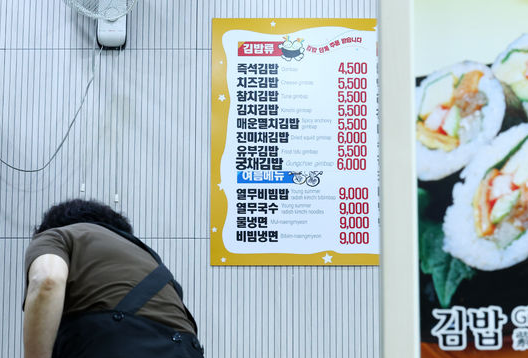
As of September 13, 2026, a single roll of kimbap in Seoul averages nearly 3,800 won (about $2.80), edging toward the symbolic 4,000 won ($3) mark. Rising ingredient and labor costs have pushed the number of snack-shop businesses nationwide down every month for more than two and a half years.
Key points
- National Tax Service data show 47,863 registered snack-shop (bunsikjip) businesses nationwide as of June, down for 31 straight months since December 2023.
- Seoul's average kimbap roll price has climbed to the high-3,800-won range (about $2.80), up roughly 6% from a year earlier — a steeper rise than most other dining-out items.
- Major chains like Gobongmin Kimbapin, Kimganae, and Barda Kimseonsaeng have all shed locations in recent years, and Kimganae's original 1992 flagship recently closed for good.
- With rice, eggs, and dried seaweed prices climbing alongside the minimum wage, some owners say they clear only a few hundred won in profit per roll sold.
For generations, kimbap and baekban (a home-style set meal of rice, soup and side dishes) were Korea's low-stakes, everyday lunches. But as ingredient costs, labor, and rent have all climbed at once in recent years, the shops that sold these familiar meals are quietly disappearing.
In Seoul, kimbap prices have crept up to around 3,500 won (about $2.60) — barely different from a convenience-store triangle kimbap or kimbap roll, which sit at similar prices. Owners describe a bind: raise prices to cover higher ingredient costs and risk losing customers, or hold the line and eat the loss.
The numbers show it. Gobongmin Kimbapin's store count fell from 591 in 2020 to 383 this year. Kimganae dropped from 459 locations in 2021 to 335 today. Barda Kimseonsaeng shrank from 150 stores in 2021 to just 87 this year, and the original flagship of one of Korea's first-generation kimbap chains, in Seoul's Jongno district, recently shut down.
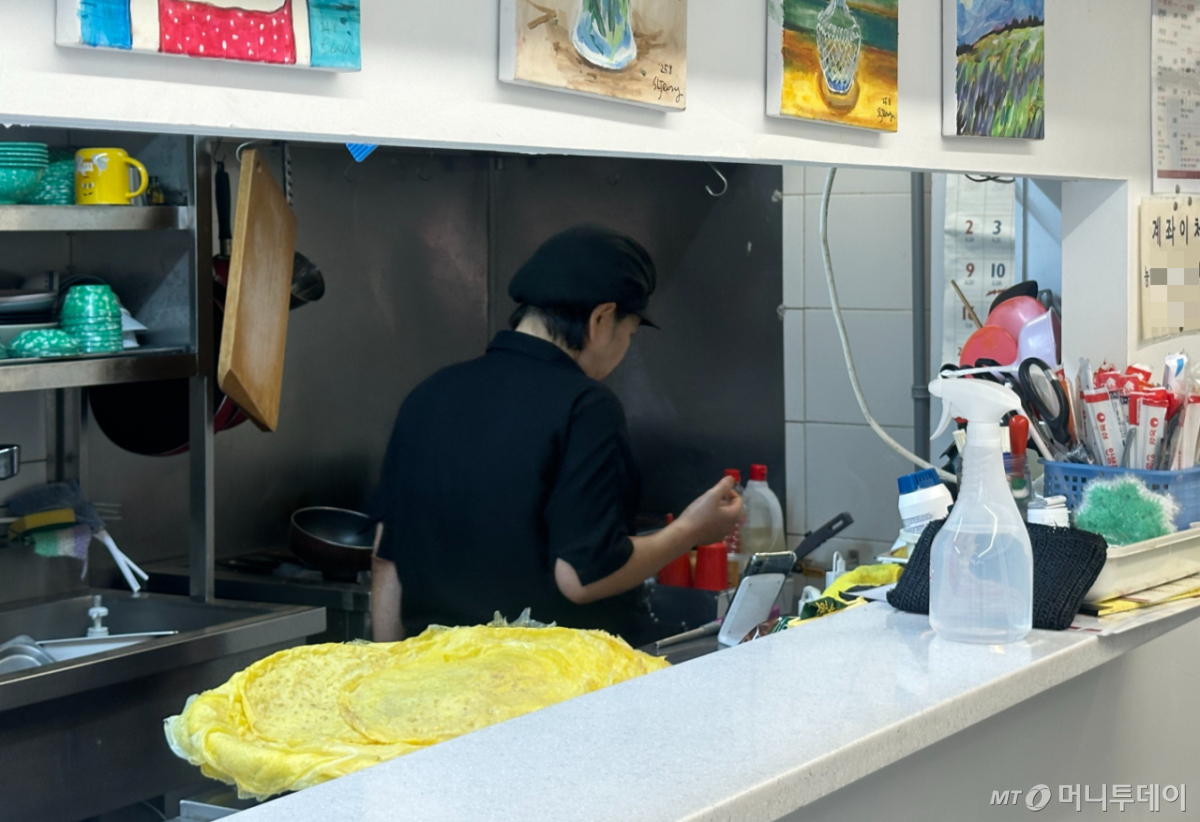
Kimbap is notoriously hard to automate — it requires cooking rice, prepping eggs, vegetables and meat, and rolling each one by hand. Baekban has its own labor problem: fresh side dishes need to be prepared daily, meaning the labor-to-revenue ratio is thin.
Interest in Korean food has grown abroad — banchan (Korean side dishes) even made it into English dictionaries — but at home, kimbap and baekban are still expected to be cheap. Experts note the irony: Koreans will happily pay more for trendy dishes like mala tang or tacos, but resist price increases on kimbap and baekban.
FAQ
Why have kimbap prices gone up so much?
Rice, eggs, dried seaweed and other key ingredients have all gotten pricier alongside the minimum wage, driving up the cost of making each roll.
How many shops have actually closed?
National Tax Service data show snack-shop numbers falling for 31 straight months, and major kimbap chains have all lost a significant share of their locations.
Would visitors notice this?
Yes — longtime kimbap and baekban spots in Seoul are thinning out, replaced by newer mala tang and taco restaurants, a shift visible just walking the streets.
More from Korea today
Lee Chang-dong's 'Possible Love' Wins Big at Venice →LG Returns as Official Emmys TV & Appliance Partner →
📎 원문 보기 · Sources


머니투데이 · Aug 24, 2026'4000원 김밥' 한 줄 팔면 겨우 500원 남는데..."비싸" 손님 발길도 뚝 - 머니투데이Read the full story & photos at the source →


Leave a Reply