Blog

  • Nvidia Co-Founder: No AI Boom Without Korean HBM

    Nvidia Co-Founder: No AI Boom Without Korean HBM

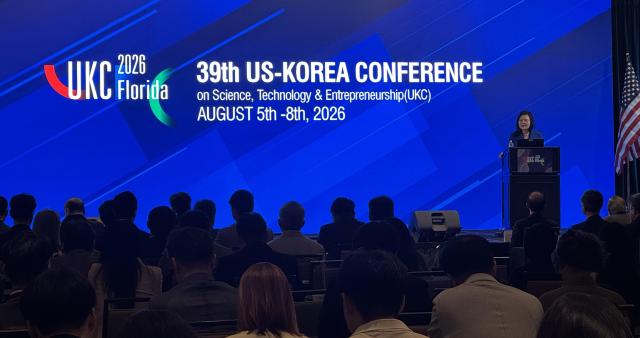
    As of August 10, 2026, Nvidia co-founder Chris Malachowsky has drawn attention for saying today's AI industry couldn't exist without memory chip technology from Samsung Electronics and SK Hynix. Delivering a keynote at a four-day US-Korea science and technology conference in Florida, he also praised the direction of Korea's national AI policy — and argued the industry is still in its early innings, with much bigger shifts still ahead.

    1,000+US and Korean scientists and engineers who attended
    39th editionHow many years running the conference has been held
    3 keynotesNumber of keynote sessions at this year's conference

    Key points

    • Nvidia co-founder and Fellow Chris Malachowsky delivered a keynote at a conference bringing together roughly 1,000 US and Korean scientists and engineers.
    • He named Samsung Electronics and SK Hynix's high-bandwidth memory (HBM) technology as the foundation underpinning AI supercomputing worldwide.
    • He predicted AI infrastructure will become as essential to nations as power grids or water systems, and praised the Lee Jae-myung administration's approach to AI policy.
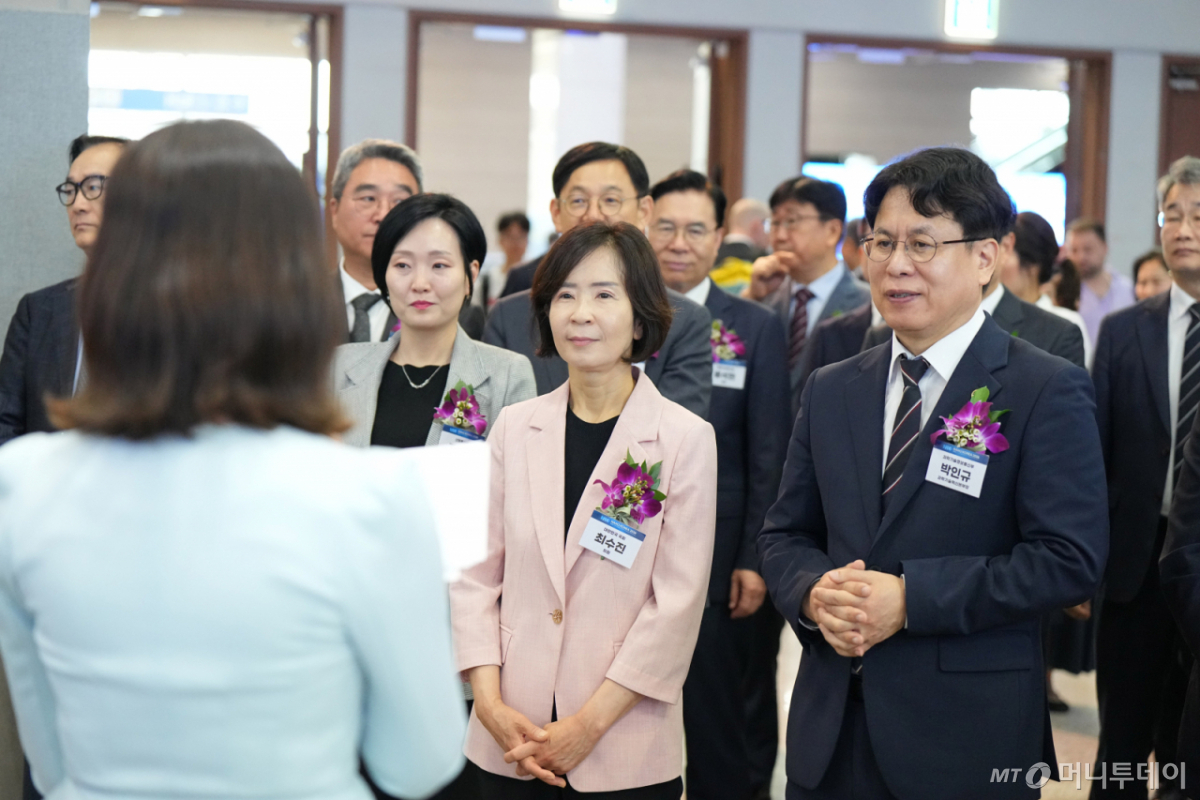
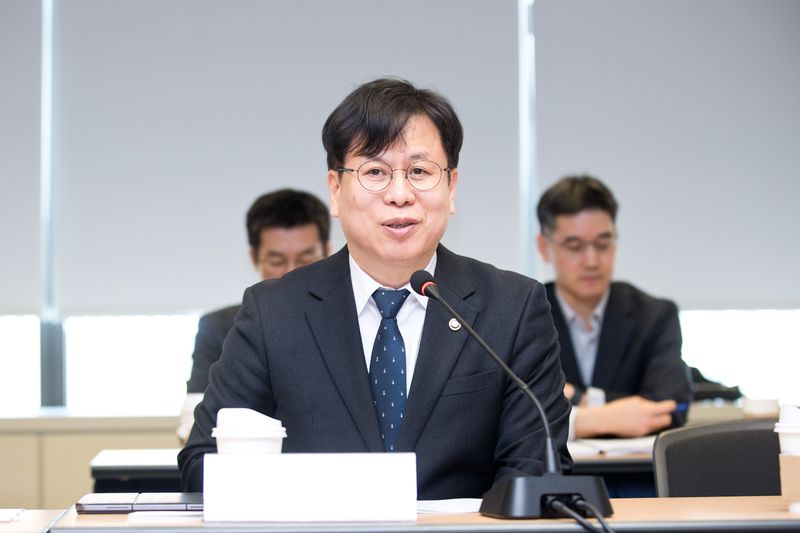
    • Park In-kyu, head of the Ministry of Science and ICT's Office of Science and Technology Innovation, also attended, discussing US-Korea cooperation on space and quantum technology and touring Kennedy Space Center.

    Roughly 1,000 scientists and engineers from the US and Korea gathered in Orlando, Florida, for a four-day conference on joint research and commercialization across artificial intelligence, aerospace, semiconductors and biohealth. Now in its 39th year since launching in 1994, this year's event ran under the theme 'From Imagination to Innovation to Reality.' At the opening ceremony, organizers said collaboration that crosses both national borders and academic disciplines would shape breakthroughs that change humanity's future.

    Among the keynote speakers, the one who drew the most attention was the Nvidia co-founder who helped commercialize the graphics processing unit, or GPU. He credited the memory chip technology built up by Samsung Electronics and SK Hynix as the backbone of today's AI supercomputing infrastructure, saying that without their contributions, neither Nvidia nor the broader AI boom would have been possible. He predicted AI infrastructure will soon become as fundamental to a country as its power grid or water supply, and voiced support for the Korean government's decision to make AI a national priority.

    He pushed back on growing worries about an AI investment bubble. What's unfolding now, he argued, is just the early stage of a generational industrial shift, and the biggest changes are still to come. Pointing to how nations that built out power grids or telecom networks first ended up leading their eras, he warned that countries slow to build AI infrastructure risk falling behind — and that securing independent AI capacity quickly is essential for any nation that wants to shape its own future.

    The next phase he described is one where AI spreads well beyond research labs. He predicted that over the next decade, the most consequential breakthroughs won't come from major AI labs but from people applying AI within life sciences, medicine, climate science, materials engineering and manufacturing — innovation emerging where deep domain expertise meets new tools, blurring the lines between fields. He added that investment made only once demand is obvious is already too late, and that the chip and AI companies currently leading will likely hold their edge for some time.

    Also at the conference, Park In-kyu, head of the Ministry of Science and ICT's Office of Science and Technology Innovation, attended sessions on AI, space, and quantum technology applications. A day earlier he toured Kennedy Space Center, reviewing facilities and cooperation tied to the international lunar exploration project Korea is participating in, and pledged support for exchange programs to bring the experience of Korean-American scientists back into research efforts at home.

    In Korea right nowIn Korea, the comments landed as a notable moment — a leading figure in the global chip and AI industry publicly crediting domestic memory makers' technology. The praise comes amid choppy market sentiment around the semiconductor cycle, making it stand out further, and the endorsement of the government's AI strategy is being read as a boost for the policy's momentum.

    FAQ

    Who is Chris Malachowsky?

    One of Nvidia's three co-founders, who directly engineered the early graphics processing unit technology that became the technical foundation of the company.

    Why does high-bandwidth memory (HBM) matter?

    It's the memory that feeds data quickly to the GPUs handling large-scale AI computation, a market currently led globally by Samsung Electronics and SK Hynix.

    What was this conference?

    A US-Korea science and technology forum launched in 1994, now in its 39th year, held over four days in Florida to discuss cooperation in AI, aerospace, semiconductors and more.

    📎 원문 보기 · Sources

    매일경제 기사 이미지Nvidia Co-Founder: No AI Boom Without Korean HBM매일경제 · Aug 10, 2026삼전닉스 극찬한 ‘GPU의 아버지’…“한국 없었으면 AI혁명 없었다” - 매일경제Read the full story & photos at the source →
    아주경제 기사 이미지Nvidia Co-Founder: No AI Boom Without Korean HBM아주경제 · Aug 07, 2026한·미 과학기술 역량 결집…'UKC 2026' 美 올랜도서 개막 | 아주경제Read the full story & photos at the source →
    머니투데이 기사 이미지Nvidia Co-Founder: No AI Boom Without Korean HBM머니투데이 · Aug 09, 2026박인규 혁신본부장, UKC 2026 참석…우주·AI 협력 강조 - 머니투데이Read the full story & photos at the source →
    파이낸셜뉴스 기사 이미지Nvidia Co-Founder: No AI Boom Without Korean HBM파이낸셜뉴스 · Aug 09, 2026박인규 과기정통부 혁신본부장 "AI·우주·양자 한미협력 필수"Read the full story & photos at the source →

  • Squid Game US Spinoff ‘Heckler’ Officially Scrapped

    Squid Game US Spinoff ‘Heckler’ Officially Scrapped

    As of August 10, 2026, Netflix has confirmed it has scrapped 'Heckler,' the working title for its planned US spinoff of 'Squid Game.' David Fincher was set to direct and Dennis Kelly to write the script, but the project lost momentum amid a leadership shakeup that reshuffled Netflix's franchise priorities.

    265.2 millionCumulative Season 1 viewership
    192.6 millionCumulative Season 2 viewership
    145.8 millionCumulative Season 3 viewership

    Key points

    • Netflix has canceled 'Heckler,' its planned US spinoff of 'Squid Game.'
    • David Fincher was attached to direct, with playwright Dennis Kelly writing the script.
    • Cate Blanchett's cameo in the Season 3 finale fueled spinoff speculation, though her actual involvement was never confirmed.
    • Netflix is reportedly weighing country-specific versions instead of a single US spinoff, but no such project is currently in development.

    Netflix has reportedly shut down the US spinoff it had been developing off the back of 'Squid Game.' The project, known internally by the working title 'Heckler,' had been in the works for several years before the streamer decided not to move forward, according to trade reports.

    The spinoff was set to be directed by David Fincher, the filmmaker behind 'Fight Club,' 'Zodiac' and 'Gone Girl,' with the script written by Dennis Kelly, known for the series 'Utopia.' While conceived as a US production, reports had suggested filming could actually begin in the UK before the end of the year.

    The moment that stoked the most speculation came in last year's Season 3 finale, when Lee Byung-hun's Front Man character watches actress Cate Blanchett playing ddakji, a Korean paper-tossing game, in an alley in Los Angeles. The show's creator was quick to clarify the scene wasn't a direct tie-in to the spinoff, and it was never confirmed that Blanchett was actually attached to 'Heckler.' She has only said that a return to the franchise remains a possibility.

    Behind the cancellation is a series of leadership changes at Netflix that reshuffled the company's franchise priorities. Fincher himself has reportedly been tied up with a separate project starring Brad Pitt, further sapping the spinoff's momentum. Netflix is said to be leaning toward country-specific versions rather than one English-language US spinoff, though no regional follow-up is currently in active development.

    'Squid Game,' led by Lee Jung-jae and Lee Byung-hun, remains one of Netflix's flagship hits, with Seasons 1 through 3 drawing cumulative viewership of 265.2 million, 192.6 million and 145.8 million respectively — among the strongest numbers ever for a non-English-language title. The show became the first Korean production to win at the Critics' Choice Awards in 2022 and picked up multiple Emmy wins that same year. Its creator is now developing a new crime drama centered on gambling.

    In Korea right now'Squid Game' has stood as the clearest proof that Korean-made content can dominate globally, so every report on a US spinoff has drawn scrutiny over what it might mean for the original's identity. The cancellation has drawn some disappointment at home, but also a sense of relief that the original series gets to keep its distinct voice.

    FAQ

    What was 'Heckler'?

    The working title for Netflix's planned US spinoff of 'Squid Game,' which was set to involve director David Fincher and playwright Dennis Kelly.

    Why was it canceled?

    A leadership shakeup at Netflix reshuffled franchise priorities, and Fincher's focus shifted to another project, sapping the spinoff's momentum.

    Could a regional spinoff still happen?

    Netflix is reportedly considering country-specific versions, but no such project is currently confirmed to be in development.

    📎 원문 보기 · Sources

    머니투데이 기사 이미지Squid Game US Spinoff ‘Heckler’ Officially Scrapped머니투데이 · Aug 10, 2026'오징어 게임' 미국판 제작 중단···"넷플릭스 우선순위서 밀렸다" - 머니투데이Read the full story & photos at the source →
    Squid Game US Spinoff ‘Heckler’ Officially Scrapped뉴시스 · Aug 09, 2026'오징어게임' 미국판 스핀오프 결국 무산…"넷플릭스 우선순위 바뀌어"Read the full story & photos at the source →
    한국경제 기사 이미지Squid Game US Spinoff ‘Heckler’ Officially Scrapped한국경제 · Aug 09, 2026"오징어 게임 미국판 제작 무산...넷플릭스 관심 돌려"Read the full story & photos at the source →

    헤럴드경제 기사 이미지Squid Game US Spinoff ‘Heckler’ Officially Scrapped헤럴드경제 · Aug 09, 2026‘오징어 게임’ 미국판 제작 멈췄나…‘헤클러’ 사실상 중단Read the full story & photos at the source →

  • aespa Packs Gocheok Dome for First Solo Concert

    aespa Packs Gocheok Dome for First Solo Concert

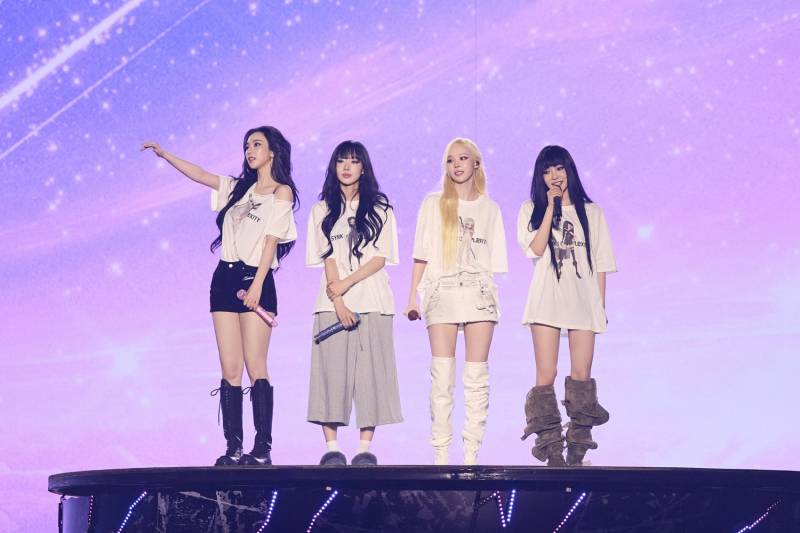
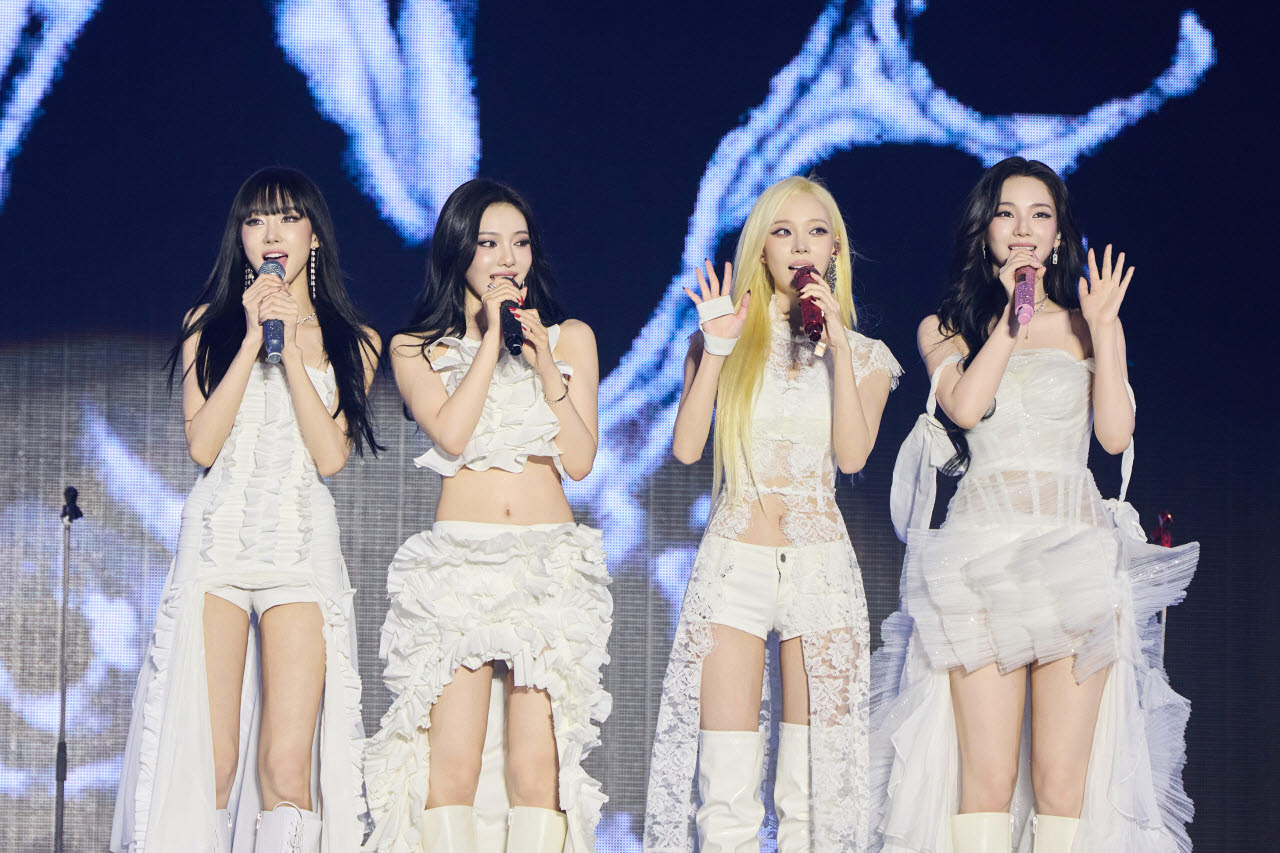
    As of August 10, 2026, girl group aespa played its first-ever solo concert at Seoul's Gocheok Sky Dome on August 7 and 8, drawing a combined 35,000 fans over the two nights. Built around their second studio album 'Lemonade,' the shows kicked off the group's fourth world tour, which now heads to 25 cities worldwide.

    35,000Combined attendance across the two Gocheok Dome shows
    27 songsSongs performed over the two-night run
    25 citiesStops on the group's ensuing world tour
    2.5 hoursRuntime of each show

    Key points

    • aespa played its first-ever headlining concert at Gocheok Sky Dome on August 7-8.
    • Combined attendance over the two nights hit 35,000, with 27 songs performed in total.
    • Karina, Winter, Giselle and Ningning each debuted solo stages for the first time at these shows.
    • The Seoul run opens a 25-city world tour that continues on to Taiwan, Brazil and beyond.

    Girl group aespa took over Gocheok Sky Dome in Seoul's Guro District for two nights, marking the first time the quartet has headlined the venue on its own. The August 7-8 shows kicked off the group's fourth world tour, and combined attendance across both nights reached 35,000. Over roughly two and a half hours each night, the group ran through 27 songs.

    The tour is titled 'SYNK: Complexity,' built around the world of their second studio album 'Lemonade,' released in May. The show unfolded in five chapters around a story in which cracks form between parallel universes, pitting the members' virtual avatar selves against their real ones. Video interludes depicting the members' inner turmoil ran between songs to carry the narrative through.

    After a run of high-energy performances that leaned heavily on the new album, each member took the stage solo for the first time. Karina delivered a groove-heavy R&B number, Winter leaned into her lower register for a confident solo, Giselle performed a track she helped write, and Ningning sang a ballad backed by a live orchestra. Paired unit stages also debuted that night and were released as tracks the following evening.

    The set closed with a run of fan favorites spanning from the group's debut single to its most recent hits, drawing roars from the crowd, while a mobile stage shaped like a can of Lemonade rolled out toward the audience several times during the show. Members told the crowd they never imagined filling a venue this size and promised to keep growing.

    With Seoul behind them, aespa heads into a 25-city world tour spanning Taiwan, Brazil, and stops across the Americas and Europe. Now in their seventh year since debut, the run is being read as a marker of the group's expanding global reach.

    In Korea right nowaespa's takeover of Gocheok Dome is being seen as an unusually large feat for a K-pop girl group, sparking buzz among domestic fans. Few acts have filled a dome-sized venue on their own, making this a milestone moment for a group entering its seventh year — and fueling anticipation for the 25-city world tour ahead.

    FAQ

    What's the name of aespa's new world tour?

    'SYNK: Complexity,' built around the world of their second studio album 'Lemonade,' released this past May.

    What is Gocheok Sky Dome?

    An indoor dome stadium in Seoul's Guro District — this marked aespa's first time headlining a solo concert there.

    Where does the tour go next?

    After Seoul, aespa heads to Taipei, São Paulo, and stops across the Americas and Europe as part of a 25-city run.

    📎 원문 보기 · Sources

    동아일보 기사 이미지aespa Packs Gocheok Dome for First Solo Concert동아일보 · Aug 10, 2026[단독]고척돔서 첫 콘서트 에스파, 3만5000명 관객 홀렸다Read the full story & photos at the source →
    일간스포츠 기사 이미지aespa Packs Gocheok Dome for First Solo Concert일간스포츠 · Aug 09, 2026에스파, 첫 고척돔 콘서트 성료…3만 5천 관객 열광 속 새 월드투어 포문 - 일간스포츠Read the full story & photos at the source →
    이데일리 기사 이미지aespa Packs Gocheok Dome for First Solo Concert이데일리 · Aug 08, 2026열돔보다 더 뜨거웠다… 에스파, 고척돔도 녹인 ‘압도적 쇠맛’[리뷰]Read the full story & photos at the source →
    미래를 보는 창 - 전자신문 기사 이미지aespa Packs Gocheok Dome for First Solo Concert미래를 보는 창 - 전자신문 · Aug 09, 2026'성장+역량' 증명했다! 에스파, 첫 고척돔 콘서트 성료Read the full story & photos at the source →

  • BLACKPINK Reunites for 10th Anniversary Fan Meet

    BLACKPINK Reunites for 10th Anniversary Fan Meet

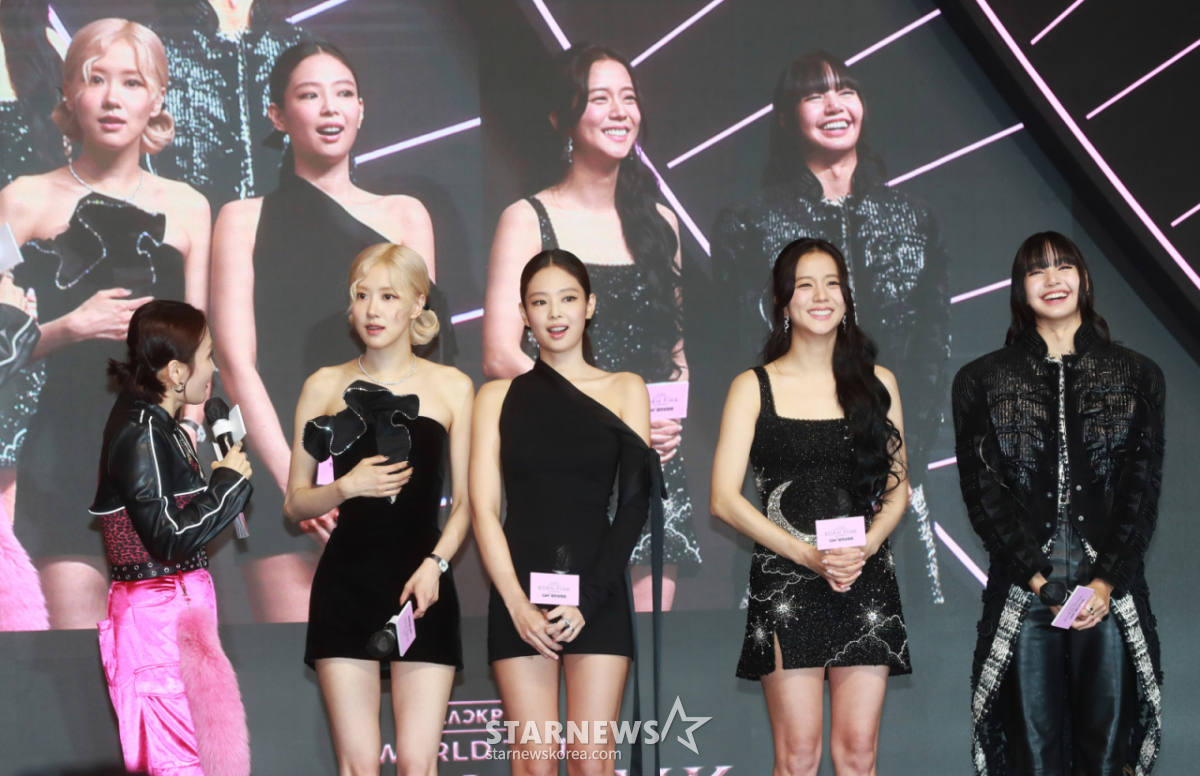
    As of August 8, 2026, all four members of K-pop girl group BLACKPINK — Jisoo, Jennie, Rosé, and Lisa — are reuniting as a full group to mark the act's 10th anniversary. The intimate fan event takes place at the National Museum of Korea in Seoul, with 40 lucky fans chosen by lottery in attendance. It's the first time all four members have met domestic fans together since a World Tour stop in Goyang, Gyeonggi Province, last July — a gap of 1 year and 1 month.

    10th anniversaryBLACKPINK's debut milestone
    40 fansCapacity of the fan event
    1 year, 1 monthGap since last full-group fan meeting in Korea

    Key points

    • BLACKPINK debuted on August 8, 2016, marking a full decade together this year.
    • All four members — Jisoo, Jennie, Rosé, and Lisa — are attending the meet-and-greet at the National Museum of Korea in Seoul.
    • Attendance is capped at 40 fans, chosen by lottery among paid subscribers of the fandom platform Weverse.
    • Rumors of a partial-lineup no-show circulated ahead of the event, but the agency confirmed all four members would attend.

    YG Entertainment's four-member girl group BLACKPINK is holding a small-scale fan event at the National Museum of Korea in Yongsan-gu, Seoul, on August 8 — the 10th anniversary of the group's formation. Early scheduling notices suggested only some members might be able to attend, sparking concern among fans, but the agency has now confirmed that all four — Jisoo, Jennie, Rosé, and Lisa — will be there together.

    Getting to this point wasn't smooth. Despite the milestone anniversary, the group initially unveiled little beyond a merchandise collaboration with the museum, disappointing fans hoping for a bigger celebration. When a fan event was finally announced, its 40-person cap drew further criticism for being too small for such a landmark occasion. Speculation about a possible no-show intensified after Rosé was spotted in Los Angeles, but her solo agency moved to quash the rumors, saying the date had been locked in as a top priority for a long time.

    Formed in 2016, BLACKPINK has built global recognition through a string of hits and world tours. Their second full-length album, released in 2022, topped both the US Billboard 200 and the UK Official Albums Chart. In February of this year, the group reunited for a new album — its first as a complete unit in three years and five months. For the 10th anniversary, BLACKPINK also partnered again with the National Museum of Korea on a heritage-themed merchandise line, continuing a collaboration the two have built over time.

    Separately, an unrelated incident made headlines just before the fan event. On August 6, a woman in her 20s was arrested at YG's headquarters in Hapjeong-dong, Mapo-gu, Seoul, after allegedly smashing the building's glass entrance doors with a golf club. Police are investigating the motive; no direct connection to the fan event has been confirmed.

    In Korea right nowIn Korea, news of BLACKPINK's full-group reunion is trending alongside criticism of how the celebration came together. Fans have voiced disappointment that such a symbolic milestone — a full decade since debut — was marked with an event capped at just 40 attendees, and skepticism about the planning process has lingered even after no-show rumors died down. The golf club incident at YG's headquarters is also being covered alongside the anniversary news, adding an unexpected subplot to what was meant to be a purely celebratory occasion.

    FAQ

    When did BLACKPINK debut?

    The group debuted on August 8, 2016, under YG Entertainment, making August 8, 2026 its 10th anniversary.

    Can anyone attend the fan event?

    No. It's a small, invite-only gathering limited to 40 fans selected by lottery from paid subscribers of the fandom platform Weverse.

    Do the members have solo careers too?

    Yes. Jisoo, Jennie, Rosé, and Lisa all pursue individual solo projects, but they came together this past February to release a new album as a complete group.

    📎 원문 보기 · Sources

    조선일보 기사 이미지BLACKPINK Reunites for 10th Anniversary Fan Meet조선일보 · Aug 07, 2026블랙핑크 '완전체' 확정 속…제니, 10주년 추억 꺼냈다 "함께 고마워"Read the full story & photos at the source →
    국민일보 기사 이미지BLACKPINK Reunites for 10th Anniversary Fan Meet국민일보 · Aug 07, 2026블랙핑크, ‘데뷔 10주년’ 4인 완전체 뭉친다…팬 40명과 만남Read the full story & photos at the source →
    경향신문 기사 이미지BLACKPINK Reunites for 10th Anniversary Fan Meet경향신문 · Aug 07, 2026블랙핑크 완전체, 데뷔 10주년 맞아 ‘국중박’에서 팬들 만난다Read the full story & photos at the source →
    스타뉴스 기사 이미지BLACKPINK Reunites for 10th Anniversary Fan Meet스타뉴스 · Aug 07, 2026팬 홀대 논란·YG 사옥 난동..블랙핑크, 각종 논란 속 10주년 완전체 행사 [종합] | 스타뉴스Read the full story & photos at the source →

  • Seoul Swelters Near 104F in Record Heat Wave

    Seoul Swelters Near 104F in Record Heat Wave

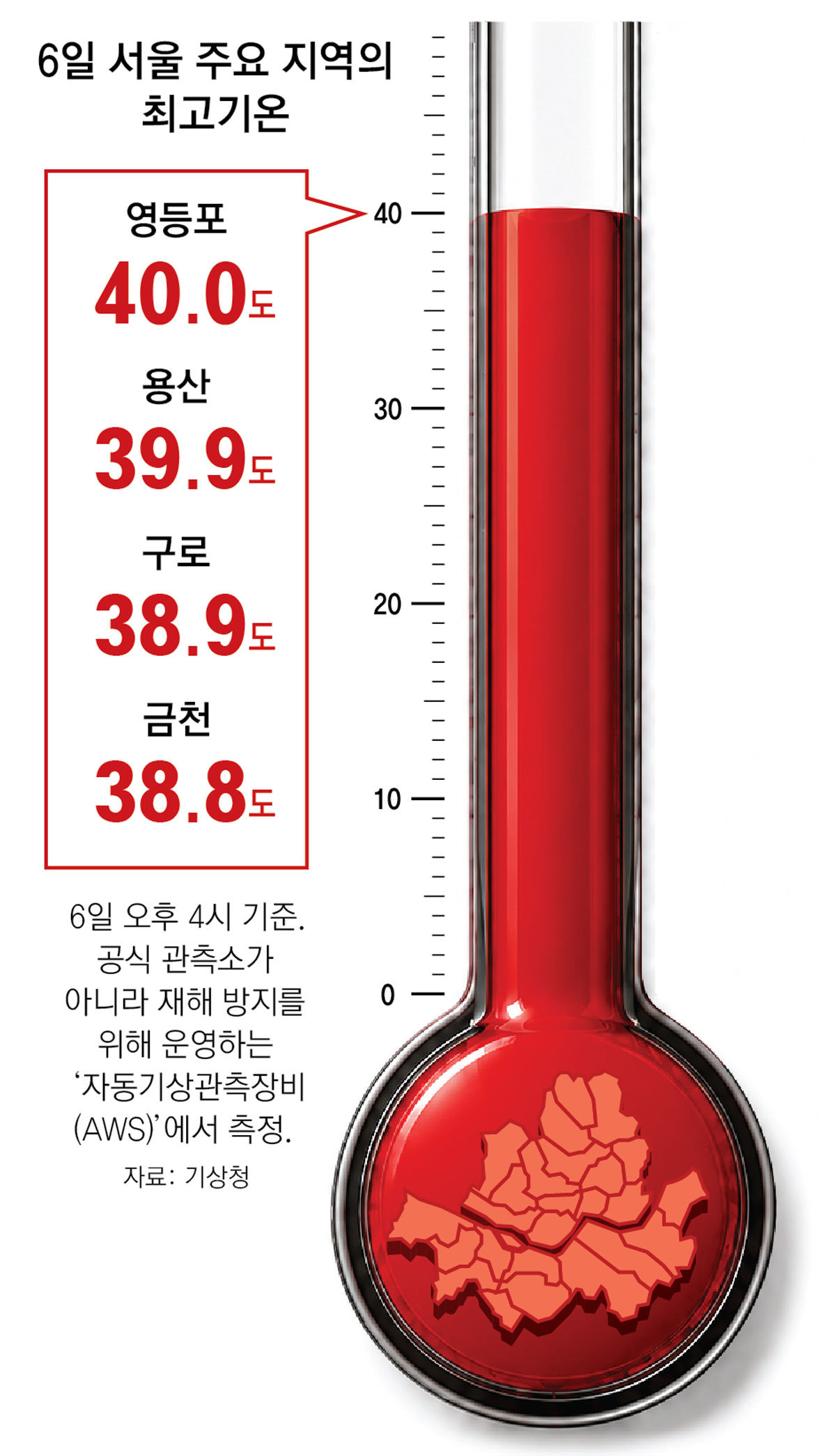
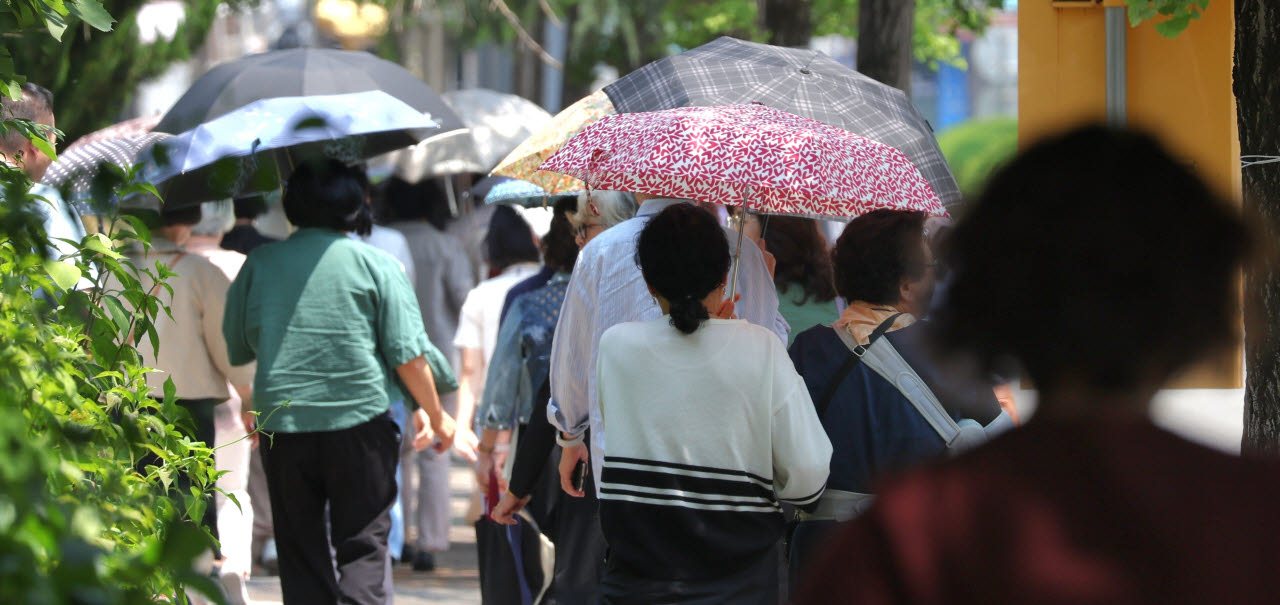
    As of August 7, 2026, Seoul has spent four straight days under its highest-level heat warning, with tropical nights — when temperatures never dip below 25°C (77°F) — dragging on for more than two weeks. On August 6, an automated sensor in Yeongdeungpo District logged 40.0°C (104°F), while the official weather station reading hit this summer's high of 37.9°C (100.2°F). Experts point to the asphalt and concrete blanketing the city as a key reason the heat won't let up, even after dark.

    40.0°C (104°F)Unofficial reading in Yeongdeungpo on Aug. 6
    37.9°C (100.2°F)Seoul's official high this summer
    2,665Cumulative heatstroke cases as of Aug. 5
    6x YeouidoGrowth in Seoul's paved, water-repelling surface area since 2000

    Key points

    • An automated sensor in Yeongdeungpo District hit 40.0°C (104°F) on August 6 — the first unofficial reading above 40°C since 41.8°C in Gangbuk District in August 2018, eight years ago.
    • Seoul's impervious surface area — pavement that rain can't soak into — grew from 28,613 hectares in 2000 to 30,353 hectares last year, an increase equal to roughly six times the size of Yeouido island.
    • As of August 5, cumulative heatstroke cases reached 2,665, including 23 deaths, already surpassing last year's full-year total.
    • Because of the heat, the KBO canceled all 15 games across five stadiums from August 7-9 and plans to resume play on August 11.

    Seoul has been stuck under its highest-tier heat warning for four straight days, with tropical nights — when temperatures refuse to drop — running for more than two weeks. On August 6, an automated sensor in Yeongdeungpo District logged 40.0°C (104°F), while the official weather station reading hit this summer's high of 37.9°C (100.2°F). It's the first reading above 40°C since 41.8°C was recorded in Gangbuk District in August 2018, eight years ago — though because the sensor sits on a rooftop, it's treated as unofficial.

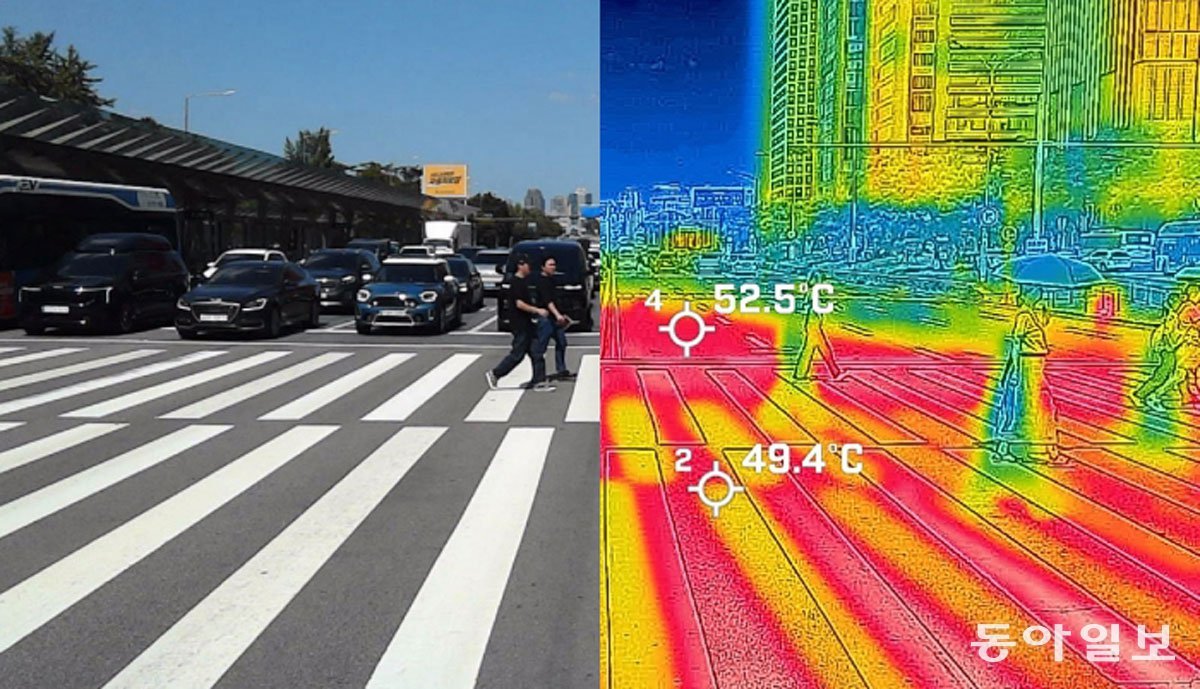
    Experts point to the asphalt and concrete covering the city as the reason the heat won't break, even overnight. These surfaces don't absorb rainwater, so they lose almost none of the cooling effect that evaporation would otherwise provide — instead, they slowly release the heat they soaked up during the day well into the night, warming the air around them. By the city's own count, this kind of impervious surface grew from 28,613 hectares in 2000 to 30,353 hectares last year — an increase alone equal to roughly six times the size of Yeouido island.

    Meanwhile, the street trees that could help cool things down are disappearing. Seoul's street tree count fell from 303,144 in 2015 to 288,877 in 2024, a 4.7% drop, and London planetrees — which cast wide shade and hold a lot of water — fell by more than 35% over the same period. Chinese fringe trees, which provide comparatively little shade, nearly doubled in number instead, a shift experts say has actually weakened the city's heat resilience.

    Heatstroke cases and deaths are climbing fast, too. Korea Disease Control and Prevention Agency data show cumulative heatstroke cases at 2,665 through August 5, including 23 deaths — both already above last year's full-year totals. The heat forced the KBO to scrap all 15 games scheduled across five stadiums from August 7 through 9, with play set to resume August 11, and President Lee Jae-myung has classified the situation as a national-scale climate disaster, directing officials to concentrate resources on protecting vulnerable populations.

    A weekend dip in the upper-level pressure trough should bring temperatures down slightly, though they'll still run above the seasonal average. Next week, Typhoon Dolphin — the season's 13th — could shave off another 2-3°C as it passes through the East China Sea, but forecasters warn the heat may snap back once it clears. The Korea Meteorological Administration expects daytime highs around 35°C (95°F) to persist across the greater Seoul area for roughly the next ten days.

    In Korea right nowThe heat is hitting local businesses, too. Seoul's real-time city data show foot traffic near Jongno's Jonggak Station down nearly 30% in the late afternoon on August 6 compared with a week earlier, with Gangnam Station also posting a double-digit drop — both worse at midday. Small business owners in areas like Yeouido, once a hub for after-work gatherings, say customer counts have visibly thinned, while delivery orders climbed roughly 6% in the week after the heat advisory compared with the same period the month before, signaling a shift toward eating in.

    FAQ

    What does 'impervious surface' mean?

    It refers to ground covered by asphalt or concrete that rainwater can't soak into. These surfaces trap heat for longer, which worsens urban heat waves and tropical nights.

    How long will this heat wave last?

    Typhoon Dolphin, passing by early next week, could bring a temporary dip in temperatures, but the Korea Meteorological Administration expects sweltering conditions to continue across greater Seoul for roughly another ten days after that.

    How is the heat wave affecting daily life and the economy?

    Heatstroke cases and deaths are rising, professional baseball games have been canceled en masse, and more consumers are ordering delivery instead of dining out, shifting patterns for local businesses.

    📎 원문 보기 · Sources

    동아일보 기사 이미지Seoul Swelters Near 104F in Record Heat Wave동아일보 · Aug 07, 2026서울 절반이 아스팔트-콘크리트 ‘열 저장고’… 난로처럼 공기 데워Read the full story & photos at the source →
    동아일보 기사 이미지Seoul Swelters Near 104F in Record Heat Wave동아일보 · Aug 07, 202640℃ 불덩이 서울Read the full story & photos at the source →
    연합뉴스 · Aug 07, 2026[서울폭염] ⑧ "회식은커녕 손님 3분의 1로"…외식 줄고 배달늘어 | 연합뉴스Read the full story & photos at the source →

  • YG’s Dance Videos Hit 7B Views, All by Yang Hyun-suk

    YG’s Dance Videos Hit 7B Views, All by Yang Hyun-suk

    As of August 7, 2026, YG Entertainment has posted 69 performance videos on YouTube that together have racked up 7 billion views. Every single one was reportedly planned, choreographed and edited under the direct hand of producer Yang Hyun-suk. The format is back in the spotlight after Blackpink recently crossed 100 million YouTube subscribers.

    7 billion viewsCombined views across YG's performance videos
    69Official performance videos YG has produced
    100 millionBlackpink's YouTube subscriber count
    170+Total videos released, including practice clips

    Key points

    • Counting choreography practice clips, YG has released roughly 170 related videos total, including 69 official performance videos.
    • Producer Yang Hyun-suk personally oversees everything from planning to choreography selection to final editing.
    • Yang debuted in 1992 with Seo Taiji and Boys and personally choreographed every track on the group's first four albums.
    • He also created the choreography for Big Bang's 'Lies' and 'Last Farewell,' plus 2NE1's 'Fire.'

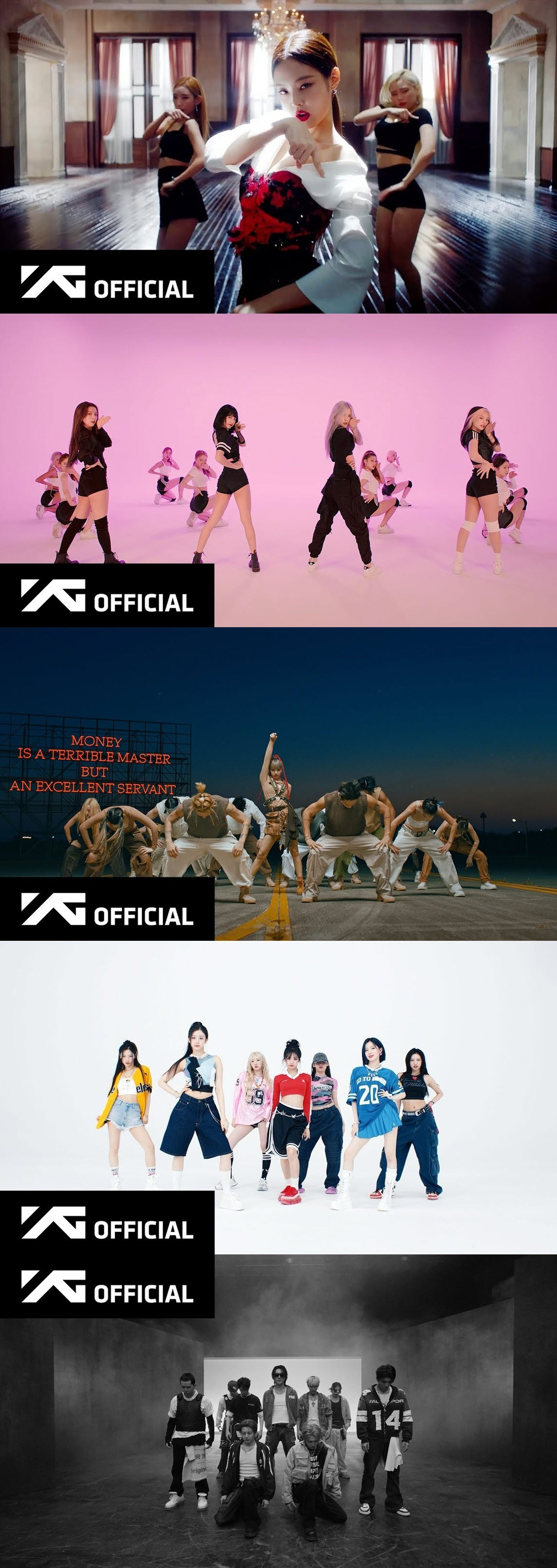
    YG Entertainment has posted 69 performance videos on YouTube over the years, and combined, they've pulled in 7 billion views. Add in choreography practice clips and the total library of related content climbs past 170 videos. Every one of them, reportedly, was planned, choreographed and edited under the direct hand of producer Yang Hyun-suk.

    This format is a different animal from a music video. Instead of leaning on storytelling, it uses editing to spotlight the texture and craft of the choreography itself — a way to showcase moves that a three-minute music video can't fully capture. YG leaned into the strategy from Blackpink's 2016 debut onward, with global fan growth on YouTube specifically in mind.

    Yang started out as a professional dancer before debuting in 1992 as a member of Seo Taiji and Boys, where he personally choreographed every track on the group's first four albums. He later created the moves for Big Bang's 'Lies' and 'Last Farewell,' and 2NE1's 'Fire.' By the time Blackpink debuted, his process had evolved — he'd review work from top international choreographers and cut and adapt the parts he liked best.

    The payoff has been clearest with Blackpink. Performance videos of group and solo stages have pulled hundreds of millions of views apiece among international fans, and the group recently hit 100 million YouTube subscribers. YG says it plans to bring the same level of polish to content for Treasure, Babymonster and future rookie groups.

    In Korea right nowIn Korea, this is being framed as a case study in K-pop content strategy done right. Local outlets are highlighting how nearly three decades of Yang's hands-on production approach dovetailed with YouTube to drive global fandom growth. With Blackpink's subscriber milestone in the mix, there's growing curiosity over whether rival agencies will follow suit and invest more heavily in choreography-focused content.

    FAQ

    How is a performance video different from a music video?

    A music video focuses on story and visuals, while a performance video is built specifically to showcase the choreography itself in close, sustained detail.

    Who is Yang Hyun-suk?

    A former member of the 1990s group Seo Taiji and Boys who went on to lead YG Entertainment, overseeing choreography and content for acts including Big Bang, 2NE1 and Blackpink.

    Why is this strategy getting attention now?

    Blackpink's recent milestone of 100 million YouTube subscribers has renewed focus on how performance-driven content has fueled K-pop's global fanbase growth.

    📎 원문 보기 · Sources

    조선일보 기사 이미지YG’s Dance Videos Hit 7B Views, All by Yang Hyun-suk조선일보 · Aug 06, 2026"안무 영상이 20억뷰" 블랙핑크, 1억 구독자 이끈 양현석의 '퍼포먼스 철학' [Oh!쎈 이슈]Read the full story & photos at the source →
    한국경제 기사 이미지YG’s Dance Videos Hit 7B Views, All by Yang Hyun-suk한국경제 · Aug 06, 2026YG 제작 퍼포먼스 비디오 총 '69편·70억뷰'…그 뒤엔 양현석 있었다Read the full story & photos at the source →
    이데일리 기사 이미지YG’s Dance Videos Hit 7B Views, All by Yang Hyun-suk이데일리 · Aug 06, 2026YG 소속 가수 퍼포먼스 비디오 누적 조회수 70억 회 돌파Read the full story & photos at the source →

  • US Sets 15% Tariff on Polysilicon Derivatives, Dec. 4

    US Sets 15% Tariff on Polysilicon Derivatives, Dec. 4

    As of August 7, 2026, the White House has finalized a 15% import tariff on polysilicon derivatives — the raw material behind silicon wafers used in chips. It also locked in minimum import prices of $21 per kilogram for raw polysilicon and $100 per kilogram for ingots and wafers, aiming to stop cheap foreign supply from flooding the US market. The rules kick in just after midnight Eastern time on December 4, 120 days after signing.

    15%New tariff rate on polysilicon derivatives
    $21Minimum import price per kg of polysilicon
    $100Minimum import price per kg of ingots/wafers
    120 daysGrace period before the measure takes effect

    Key points

    • The US government invoked Section 232 of the Trade Expansion Act to impose a 15% tariff on polysilicon derivative imports.
    • Minimum import prices were set at $21 per kilogram for polysilicon and $100 per kilogram for ingots and wafers.
    • The measure takes effect December 4, 120 days after signing.
    • The Commerce Department has been probing the national security impact of polysilicon imports since last July, and this decision is based on those findings.

    The White House just built a new trade wall around polysilicon, the foundational material behind both semiconductors and solar panels. The signed measure rests on two pillars: a 15% tariff on polysilicon derivatives, and a minimum import price on the raw material itself. A White House official framed the move at the signing as part of a broader trade and tariff push rooted in Section 232 of the Trade Expansion Act, meant to protect domestic polysilicon manufacturing and block cheap, potentially dumped supply from abroad.

    The minimum import price is set at $21 per kilogram for raw polysilicon and $100 per kilogram for ingots and wafers — the cylindrical blocks and sliced discs made from it. In practice, that's designed to keep low-cost producers, China chief among them, from undercutting the US market below that floor. On top of that, derivative products get hit with an additional 15% ad valorem tariff. The new rules take effect just after midnight Eastern time on December 4, 120 days from the signing date.

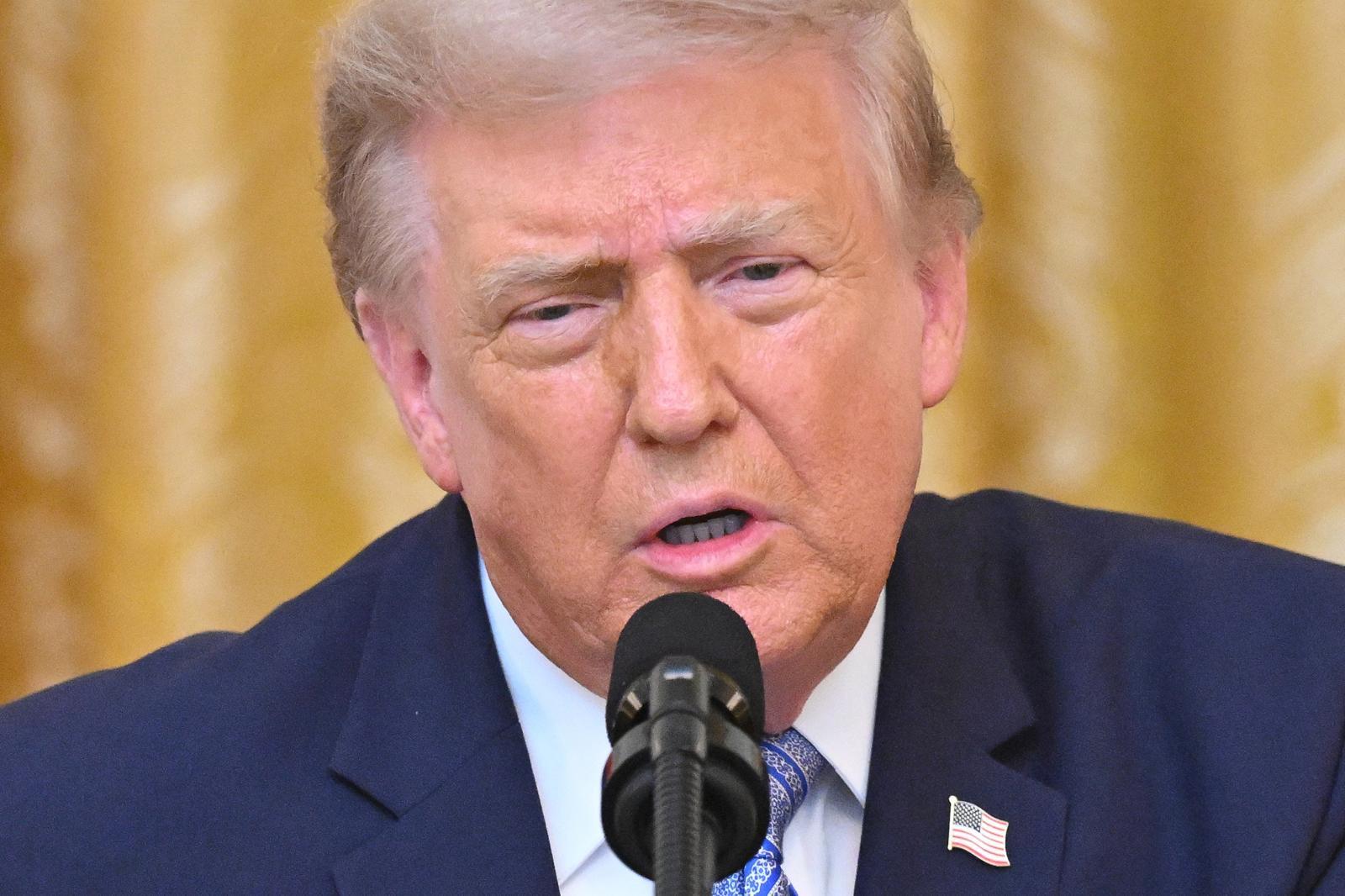
    This didn't come out of nowhere. The Commerce Department opened a Section 232 investigation last July into whether polysilicon imports pose a national security risk, and this decision is the result. Commerce Secretary Howard Lutnick said at the signing that polysilicon is an essential raw material for the silicon wafers that go into AI chips and smartphone chips, and that the goal is to boost domestic production.

    The White House didn't stop at defense. It also directed the Commerce Secretary to draft a separate incentive program for companies building polysilicon manufacturing plants on US soil — pairing the tariff-and-price-floor shield with subsidy-style carrots to grow domestic production capacity from the other direction.

    In Korea right nowIn Korea, attention is turning to how this reshapes costs and supply-chain strategy for companies that use polysilicon to make wafers and solar materials for export to the US. A shift in pricing at the very top of the semiconductor value chain could ripple down through sourcing routes and price leverage for Korea's materials and components industry, and firms are reportedly using the window before the December effective date to review their options.

    FAQ

    What exactly does this tariff apply to?

    The 15% tariff applies to processed polysilicon derivatives, not raw polysilicon itself. Raw polysilicon and ingots/wafers are instead subject to minimum import prices rather than the tariff.

    Why is this based on Section 232 of the Trade Expansion Act?

    Section 232 lets the president restrict imports, including through tariffs, if a Commerce Department investigation finds they threaten national security — and that's the legal basis used here.

    When does it actually take effect?

    It kicks in just after midnight Eastern time on December 4, 120 days after the signing date.

    📎 원문 보기 · Sources

    연합뉴스 · Aug 07, 2026트럼프, '반도체 핵심 원료' 폴리실리콘 파생상품에 15% 관세 | 연합뉴스Read the full story & photos at the source →
    연합뉴스 · Aug 07, 2026트럼프, '반도체 핵심원료' 폴리실리콘 산업보호 포고령 | 연합뉴스Read the full story & photos at the source →
    조선일보 기사 이미지US Sets 15% Tariff on Polysilicon Derivatives, Dec. 4조선일보 · Aug 06, 2026트럼프, ‘반도체 핵심원료’ 폴리실리콘 보호 행정명령… 파생제품에 15% 관세Read the full story & photos at the source →
    동아일보 기사 이미지US Sets 15% Tariff on Polysilicon Derivatives, Dec. 4동아일보 · Aug 07, 2026트럼프, ‘반도체 핵심 원료’ 폴리실리콘 파생상품에 15% 관세Read the full story & photos at the source →
    경향신문 기사 이미지US Sets 15% Tariff on Polysilicon Derivatives, Dec. 4경향신문 · Aug 07, 2026트럼프, ‘반도체 핵심 원료’ 폴리실리콘 파생상품에 15% 관세Read the full story & photos at the source →

  • ‘The Odyssey’ Sellout Fuels Premium Cinema Boom

    ‘The Odyssey’ Sellout Fuels Premium Cinema Boom

    As of August 6, 2026, Christopher Nolan's new film has sold out IMAX and 4DX screenings across Korea on opening weekend, extending a boom for premium-format theaters. South Korean special-format cinemas drew roughly 2.95 million moviegoers in the first half of 2026, up 49% from a year earlier — a trend industry watchers say shows why screens still matter in the streaming era.

    2.95 millionFirst-half 2026 admissions at Korean special-format theaters (+49% YoY)
    172 minutesRuntime of the new release shot entirely on IMAX cameras
    22%Share of the film's global box office from IMAX screens
    80 screensNet increase in Korean special-format screens last year (total theaters fell by 23)

    Key points

    • CGV's IMAX theater in Yongsan, Seoul, sold out every showtime on opening day, and prime seats resold for more than 5 times face value before the premiere.
    • Korean special-format theaters drew about 2.95 million admissions in the first half of 2026, up 49% year over year, according to the Korean Film Council.
    • The new release is the first feature film ever shot entirely — all 172 minutes — on IMAX cameras, and it earned 22% of its global box office from IMAX screens in its first two weeks.
    • AMC Entertainment posted $1.6 billion in second-quarter revenue this year, its best quarter ever, underscoring a broader rebound for theatrical exhibition.

    On opening day, a multiplex in Yongsan, Seoul, sold out every IMAX showtime from early morning until midnight. Demand was so intense that the booking site briefly slowed down when tickets went on sale, and prime seats resold on secondhand platforms for several times face value. And this isn't a one-movie phenomenon.

    Even in the first half of the year, before this release, admissions to special-format theaters were climbing fast. While overall moviegoing has plateaued, the share of audiences opting for premium formats keeps growing. Moviegoers in their 30s and 40s make up more than half of that crowd, but viewers in their 20s and younger — raised on YouTube and streaming — account for more than a quarter. Even as the total number of theaters fell by roughly 20 last year, the number of special-format screens grew by nearly 80, and their share of total box office revenue climbed from the high single digits into the low teens.

    Behind the trend are big-budget films built from the ground up for giant screens. The new release was shot almost entirely — all 172 minutes — on a single IMAX film camera, delivering an unusually sharp image, and an upcoming Marvel release was designed from the start to use a triple-screen format. The same signal is showing up across the Pacific: America's largest multiplex chain saw attendance rise more than 13% year over year, posting its best quarterly revenue ever.

    Still, special-format revenue leans heavily on Hollywood blockbusters — a dependency that showed up in past years when a thin slate of major international releases dragged premium-format box office down with it. But big budgets aren't a prerequisite: one low-budget Korean film, made for roughly 3 billion won (about $2.2 million), became the first Korean live-action feature to use a four-screen format, drawing attention despite its modest scale.

    In Korea right nowIn Korea, going to a special-format screening has become something of a social ritual — young moviegoers post photos and clips of the giant screens, seat vibrations and scent effects to social media, turning a night at the theater into an outing worth sharing rather than just a movie. Local distributors say they're expanding partnerships with Korean production companies to build more premium-format content tailored specifically to domestic films.

    FAQ

    How do special-format theaters differ from standard screenings?

    Formats like IMAX, 4DX, Dolby Cinema and ScreenX add larger screens, immersive sound and moving seats for a more intense experience than standard 2D showings.

    Why are special-format theaters expanding?

    Higher ticket prices boost theater revenue, and audiences increasingly value experience-driven outings, so chains are prioritizing premium screens.

    Are certain movies better suited to special formats?

    Big-budget sci-fi and action blockbusters are the classic fit, but low-budget Korean films have recently used special formats too, for a fresh kind of viewing experience.

    📎 원문 보기 · Sources

    동아일보 기사 이미지‘The Odyssey’ Sellout Fuels Premium Cinema Boom동아일보 · Aug 06, 2026“영화관은 놀이터” 특수상영관 흥행몰이Read the full story & photos at the source →
    한국경제 기사 이미지‘The Odyssey’ Sellout Fuels Premium Cinema Boom한국경제 · Aug 05, 2026172분짜리 ‘풀아이맥스 촬영’…“극장의 반격 시작됐다”Read the full story & photos at the source →
    ‘The Odyssey’ Sellout Fuels Premium Cinema Boom싱글리스트 · Jul 10, 2026‘오디세이’, 개봉일 용아맥 2회차 전석매진…특수관 피켓팅 대란Read the full story & photos at the source →
    매일신문 기사 이미지‘The Odyssey’ Sellout Fuels Premium Cinema Boom매일신문 · Jul 28, 2026OTT 시대, 영화관에 가야하는 이유…상반기 아이맥스 등 특수관 관객 47%↑Read the full story & photos at the source →

  • Seoul’s 13th Tropical Night Amid Extreme Heat Alert

    Seoul’s 13th Tropical Night Amid Extreme Heat Alert

    As of August 6, 2026, an extreme heat warning blankets roughly 20 regions nationwide, including Seoul, where residents are enduring a 13th straight tropical night. Seoul's overnight low held at 29.1°C (84.4°F), the highest in the country, while daytime highs topped 39°C (102°F).

    13 daysConsecutive tropical nights in Seoul
    29.1°C (84.4°F)Seoul's overnight low last night — highest in the country
    40.4°C (104.7°F)Yesterday's daytime high in Yangju, Gyeonggi Province
    ~20 regionsAreas nationwide under an extreme heat warning

    Key points

    • An extreme heat warning covers roughly 20 areas across the greater Seoul region and Jeolla provinces, with forecast highs of 39°C (102°F) and a heat index above 38°C (100°F).
    • Seoul is on its 13th straight tropical night, with last night's low of 29.1°C (84.4°F) the highest recorded anywhere in the country.
    • Yesterday's daytime highs hit 40.4°C (104.7°F) in Yangju, Gyeonggi Province, and 39.2°C (102.6°F) in Seoul — about 9°F above normal for this time of year.
    • President Lee Jae-myung has called the heat wave a national disaster-level event and ordered an all-out government response.

    As of August 6, 2026, an extreme heat warning covers roughly 20 areas across the greater Seoul metro region and Jeolla provinces. The Korea Meteorological Administration says daytime highs could reach 39°C (102°F) with a heat index above 38°C (100°F) — hot enough to pose a genuine risk to life.

    The heat isn't letting up after dark, either. Seoul is now on its 13th consecutive tropical night — a stretch when overnight lows never dip below 25°C (77°F) — and the nationwide streak is closing in on a record. Last night, Seoul's low held at 29.1°C (84.4°F), the highest anywhere in the country, followed by Seogwipo (29.0°C/84.2°F), Cheongju (28.8°C/83.8°F), Incheon (28.4°C/83.1°F) and Jeju (28.1°C/82.6°F); Jeonju and Busan both stayed in the high-27°C (81°F) range. Even usually milder spots on the east coast and in the mountains couldn't escape it — Gangneung (25.6°C/78.1°F), Hongcheon (25.2°C/77.4°F) and Sokcho (25.1°C/77.2°F) all crossed the tropical-night threshold.

    By day, Yangju in Gyeonggi Province hit 40.4°C (104.7°F) and Hanam reached 40.1°C (104.2°F), both above the 40°C mark. Seoul climbed to 39.2°C (102.6°F) and Gwangju in South Jeolla Province hit 39.8°C (103.6°F). That's roughly 9°F hotter than the typical range of 28-33°C (82-91°F) for this time of year. With no rain in the forecast for the next 10 days or so, forecasters expect the heat to persist. President Lee Jae-myung reportedly called the heat wave a national disaster-level event and ordered an all-out response.

    The Seoul city government tightened its emergency operations after a heat warning that had been limited to the southeast and southwest of the city three days ago expanded citywide within a single day. Outdoor work on city-contracted projects has largely been suspended, street-cooling water trucks have increased their runs, and officials are focusing outreach on vulnerable residents. Nationally, both the number of heat wave days and tropical nights this summer are tracking toward record territory, fueling concern that the climate crisis has crossed from an abstraction into everyday life.

    Even so, Han River Park has been packed after dark as people look for relief. Past 8 p.m., with temperatures still above 30°C (86°F), the Yeouido Han River outdoor pool was crowded with swimmers dancing to music blasting from speakers. One visitor with a young child said she felt comfortable bringing her kid since only non-alcoholic drinks are sold there. A visitor in her 20s, on her third trip, said the pool made the heat far more bearable. Nearby, under Seogang Bridge, the Han River 'Bam-ping' night-camping area was dotted with tents lit up under bright lights; one father who came with his kindergarten-age son said the water made things noticeably cooler than during the day.

    In Korea right nowThe Yeouido pool has drawn headlines before for incidents involving hidden cameras and smoking, but amid this record heat it's earning a new reputation as an affordable place to cool off. Online, Koreans are both venting about record-breaking heat becoming the new summer normal and buzzing about free or cheap spots like the Han River to escape it.

    FAQ

    What does an extreme heat warning mean?

    It's South Korea's highest-level heat advisory, issued when temperatures or the heat index climb high enough to pose a risk to life.

    What counts as a tropical night?

    A night when the temperature never drops below 25°C (77°F).

    Where can visitors go to beat the heat?

    The Yeouido Han River Park outdoor pool and the Han River 'Bam-ping' night-camping area are popular options.

    📎 원문 보기 · Sources

    연합뉴스 · Aug 06, 2026[서울폭염] ⑥ 30도 열대야도 못 막아…뜨거운 한강의 여름밤 | 연합뉴스Read the full story & photos at the source →
    이데일리 기사 이미지Seoul’s 13th Tropical Night Amid Extreme Heat Alert이데일리 · Aug 05, 2026잠 못 드는 서울, 밤에도 29도…오늘도 폭염중대경보Read the full story & photos at the source →
    서울신문 기사 이미지Seoul’s 13th Tropical Night Amid Extreme Heat Alert서울신문 · Aug 05, 2026서울 전역 ‘폭염중대경보’ 확대… 이번 주 내내 평년보다 5도 더 높다Read the full story & photos at the source →

  • Samsung Unveils ‘zHBM’, Memory Stacked on GPUs

    Samsung Unveils ‘zHBM’, Memory Stacked on GPUs

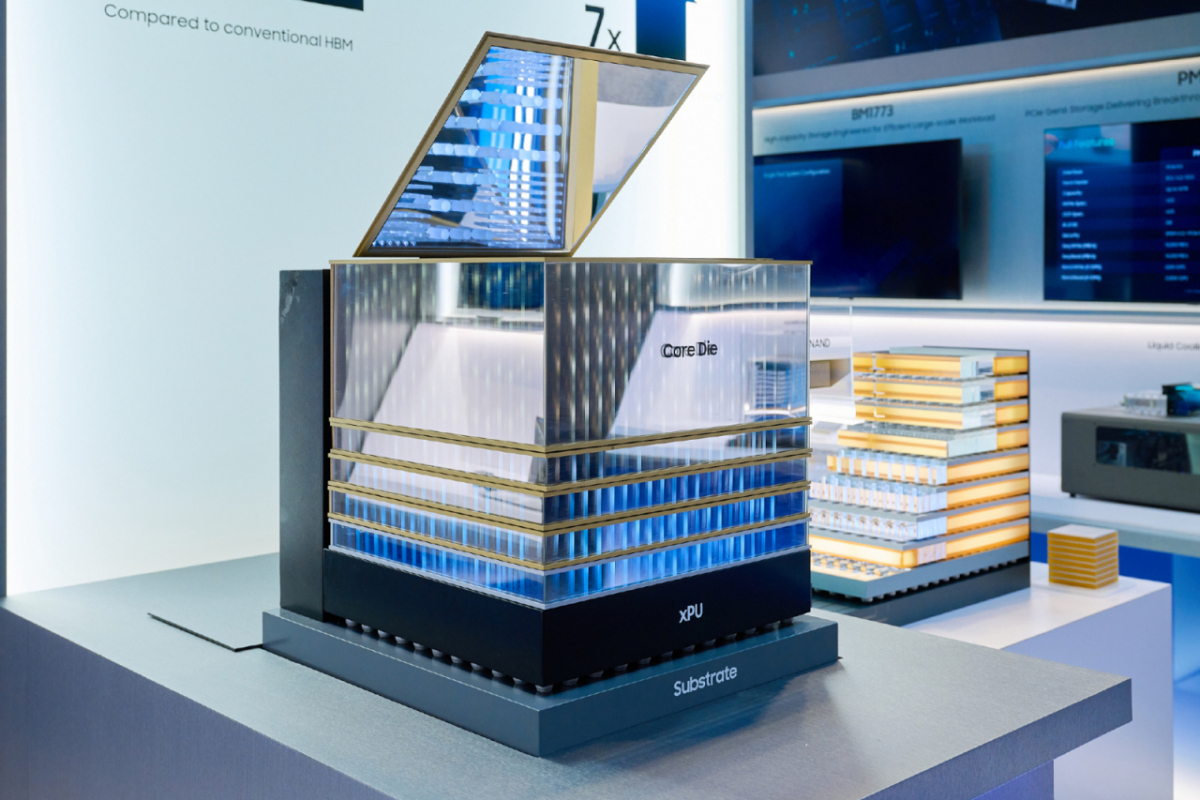
    As of August 6, 2026, Samsung Electronics has unveiled the world's first 'zHBM' memory structure, which stacks memory directly on top of a processor. Debuted as a concept model at the FMS 2026 exhibition in the US, the design is expected to deliver far greater performance than today's 8th-generation HBM5 chips.

    4-8xzHBM's expected performance gain over next-gen HBM5
    3x+zHBM's expected power efficiency improvement over HBM5
    400+ layersStack height of the newly unveiled V10 BV NAND
    58%V10 BV NAND's density gain over the previous generation

    Key points

    • Samsung unveiled the world's first zHBM concept — memory stacked directly atop a processor — at FMS 2026 in Santa Clara, California.
    • zHBM is expected to deliver up to 4-8x the performance and more than 3x the power efficiency of HBM5, which hasn't reached mass production yet.
    • At the same event, Samsung also debuted the world's first V10 BV NAND, stacked beyond 400 layers, plus zNAND-O, a NAND structure built for on-device AI.
    • Samsung emphasized its unique ability to combine memory, logic chips, foundry and advanced packaging into one integrated AI semiconductor solution.

    Samsung Electronics took the stage at FMS 2026 — the world's largest memory and storage trade show, held over three days in California — to unveil a concept model of its next-generation zHBM memory architecture, a world first. The show ran August 4-6, and Samsung filled its booth with more than 30 products spanning DRAM, NAND and storage, all displayed inside a booth designed to resemble an AI cloud server.

    zHBM breaks from the traditional approach of placing memory chips beside a GPU or AI accelerator. Instead, it stacks memory directly on top of the processor. Samsung says the design should deliver 4x to 8x the performance and more than 3x the power efficiency of HBM5, the eighth-generation standard that hasn't reached mass production yet. Thermal resistance — a measure of how much heat builds up — is expected to drop by more than half, and Samsung said it can customize the interlayer between the memory and accelerator for individual customers, adjusting capacity and performance to spec.

    At the same event, Samsung also debuted the V10 BV NAND, a new flash memory chip stacked beyond 400 layers — another world first. The chip combines a technique that manufactures cells and circuits separately before bonding them vertically, wafer bonding, and a three-way split manufacturing process, boosting memory density 58% over the prior generation. Samsung also introduced zNAND-O, a structure that stores only the frequently accessed portions of large AI model data on NAND flash, which the company says can cut memory build costs to roughly one-sixth of current levels without sacrificing performance.

    In the show's keynote, a Samsung DRAM development executive noted that token volumes used in AI inference have jumped more than 100-fold over the past two years amid the spread of agentic AI, making memory a key bottleneck in AI systems. Samsung Executive Vice President Lee Jin-yeop said Samsung is the only company that spans memory, logic chips, foundry and advanced packaging, and that it plans to use that breadth to offer integrated solutions across the entire AI semiconductor stack.

    In Korea right nowSamsung shares climbed 2.5% to close at 246,000 won (about $178) on the announcement, a sign investors liked what they saw. Analysts in Korea say the news puts fresh attention on Samsung's rare combination of memory, logic and packaging capabilities under one roof. Still, some remain cautious, noting it will take time before the performance claims are verified and customers sign on.

    FAQ

    How is zHBM different from traditional HBM?

    Traditional HBM sits beside the processor, but zHBM stacks vertically on top of it, shortening the distance data has to travel.

    When will zHBM appear in actual products?

    What Samsung showed is a concept model; a commercial launch timeline hasn't been set yet.

    What is FMS 2026?

    It's the world's largest trade show dedicated to memory and storage technology, held in Santa Clara, California.

    📎 원문 보기 · Sources

    매일경제 기사 이미지Samsung Unveils ‘zHBM’, Memory Stacked on GPUs매일경제 · Aug 05, 2026‘기술의 삼성’ 컴백…GPU 위 HBM 쌓는다 - 매일경제Read the full story & photos at the source →
    머니투데이 기사 이미지Samsung Unveils ‘zHBM’, Memory Stacked on GPUs머니투데이 · Aug 06, 2026AI가속기 '위'에 HBM 쌓는다… 삼성, 차세대 3D 메모리 공개 - 머니투데이Read the full story & photos at the source →