As of August 7, 2026, the White House has finalized a 15% import tariff on polysilicon derivatives — the raw material behind silicon wafers used in chips. It also locked in minimum import prices of $21 per kilogram for raw polysilicon and $100 per kilogram for ingots and wafers, aiming to stop cheap foreign supply from flooding the US market. The rules kick in just after midnight Eastern time on December 4, 120 days after signing.
Key points
- The US government invoked Section 232 of the Trade Expansion Act to impose a 15% tariff on polysilicon derivative imports.
- Minimum import prices were set at $21 per kilogram for polysilicon and $100 per kilogram for ingots and wafers.
- The measure takes effect December 4, 120 days after signing.
- The Commerce Department has been probing the national security impact of polysilicon imports since last July, and this decision is based on those findings.
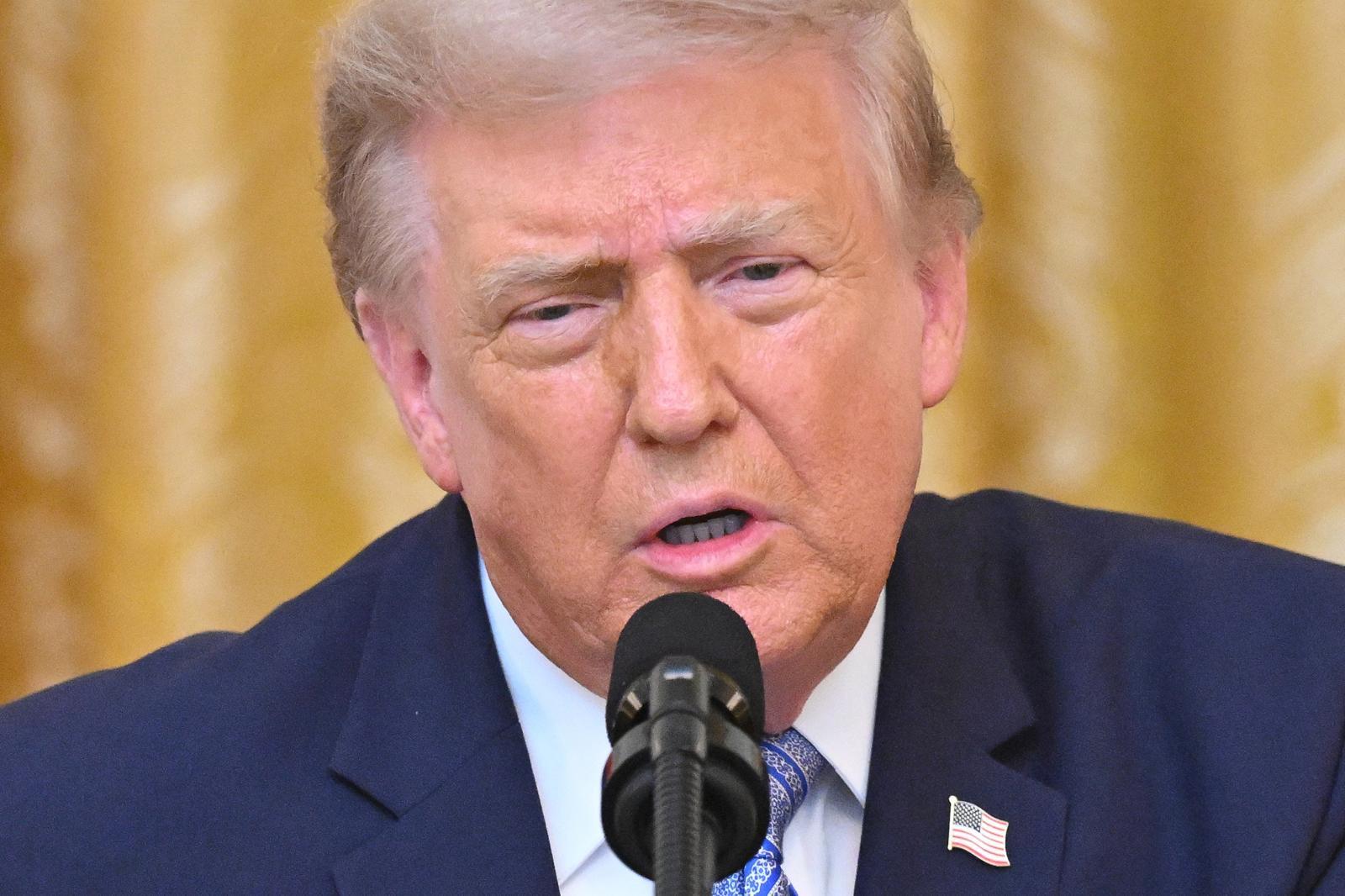
The White House just built a new trade wall around polysilicon, the foundational material behind both semiconductors and solar panels. The signed measure rests on two pillars: a 15% tariff on polysilicon derivatives, and a minimum import price on the raw material itself. A White House official framed the move at the signing as part of a broader trade and tariff push rooted in Section 232 of the Trade Expansion Act, meant to protect domestic polysilicon manufacturing and block cheap, potentially dumped supply from abroad.
The minimum import price is set at $21 per kilogram for raw polysilicon and $100 per kilogram for ingots and wafers — the cylindrical blocks and sliced discs made from it. In practice, that's designed to keep low-cost producers, China chief among them, from undercutting the US market below that floor. On top of that, derivative products get hit with an additional 15% ad valorem tariff. The new rules take effect just after midnight Eastern time on December 4, 120 days from the signing date.
This didn't come out of nowhere. The Commerce Department opened a Section 232 investigation last July into whether polysilicon imports pose a national security risk, and this decision is the result. Commerce Secretary Howard Lutnick said at the signing that polysilicon is an essential raw material for the silicon wafers that go into AI chips and smartphone chips, and that the goal is to boost domestic production.
The White House didn't stop at defense. It also directed the Commerce Secretary to draft a separate incentive program for companies building polysilicon manufacturing plants on US soil — pairing the tariff-and-price-floor shield with subsidy-style carrots to grow domestic production capacity from the other direction.
FAQ
What exactly does this tariff apply to?
The 15% tariff applies to processed polysilicon derivatives, not raw polysilicon itself. Raw polysilicon and ingots/wafers are instead subject to minimum import prices rather than the tariff.
Why is this based on Section 232 of the Trade Expansion Act?
Section 232 lets the president restrict imports, including through tariffs, if a Commerce Department investigation finds they threaten national security — and that's the legal basis used here.
When does it actually take effect?
It kicks in just after midnight Eastern time on December 4, 120 days after the signing date.
More from Korea today
YG's Dance Videos Hit 7B Views, All by Yang Hyun-suk →Seoul Swelters Near 104F in Record Heat Wave →
📎 원문 보기 · Sources

 조선일보 · Aug 06, 2026트럼프, ‘반도체 핵심원료’ 폴리실리콘 보호 행정명령… 파생제품에 15% 관세Read the full story & photos at the source →
동아일보 · Aug 07, 2026트럼프, ‘반도체 핵심 원료’ 폴리실리콘 파생상품에 15% 관세Read the full story & photos at the source →


Leave a Reply