
As of September 19, 2026, the rise of 'continual learning' — AI that keeps absorbing new information even while it's serving users — is pushing memory chip demand beyond HBM into server DRAM and NAND. A global investment bank expects related demand to jump sharply next year, and Samsung Electronics and SK hynix are already rolling out competing new technologies to meet it.
Key points
- 'Continual learning,' where AI models keep training even as they answer queries, has emerged as a wildcard reshaping memory demand.
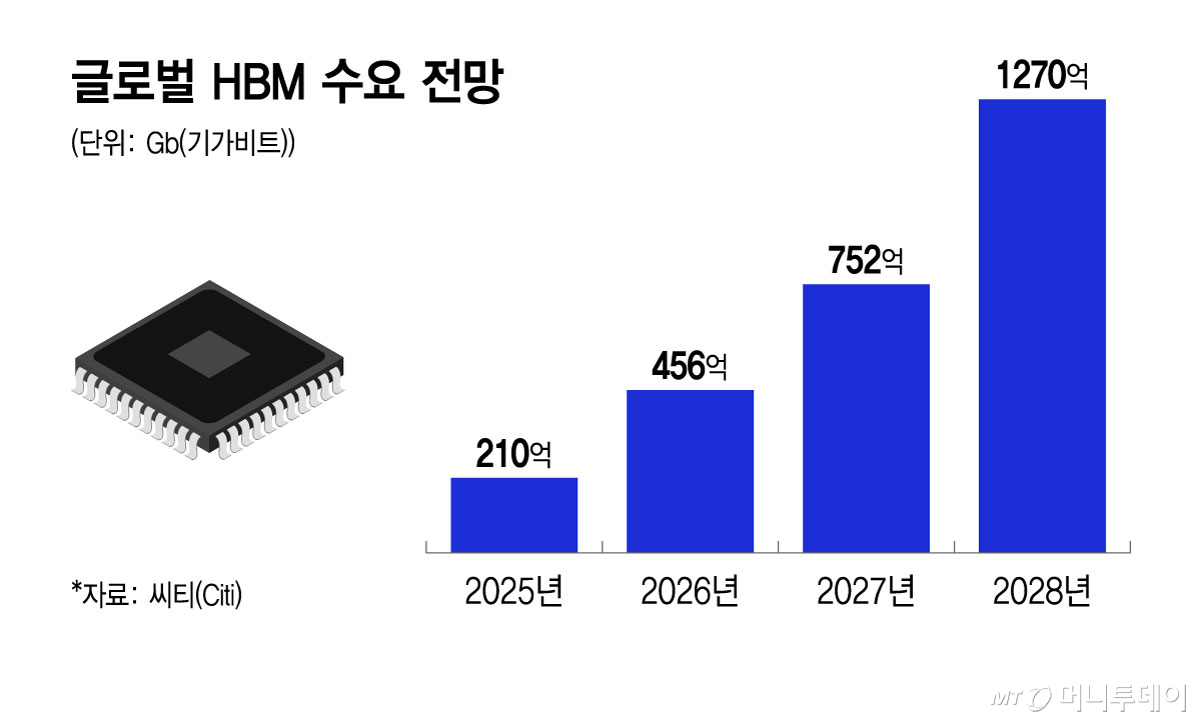
- Citigroup expects HBM bit demand to run about 1.6x this year's level next year, and nearly 2.8x by 2028.
- Samsung showcased a stacked memory-on-accelerator design, while SK hynix unveiled in-memory computing tech, at a US industry event.
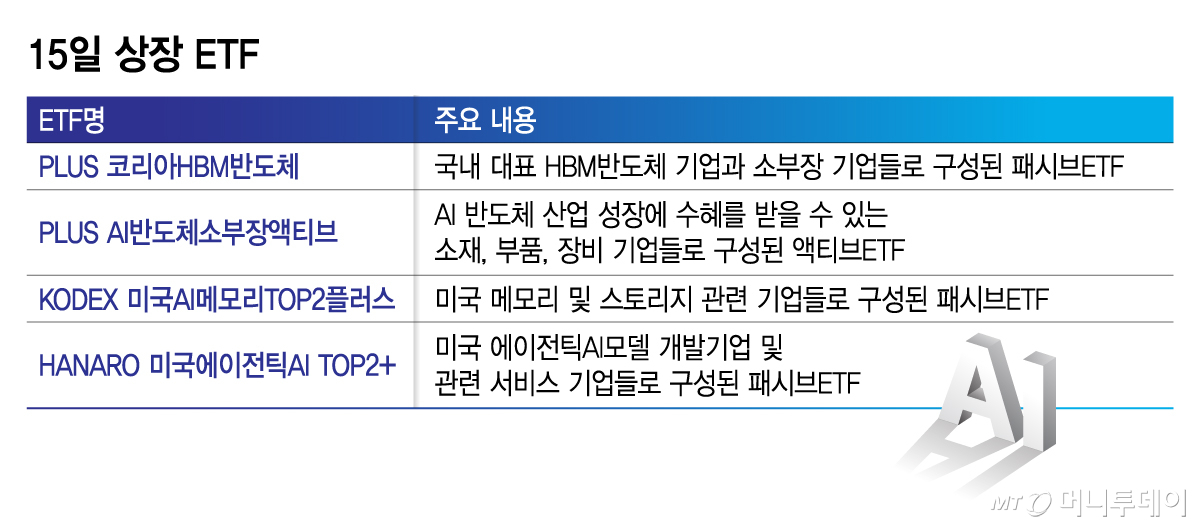
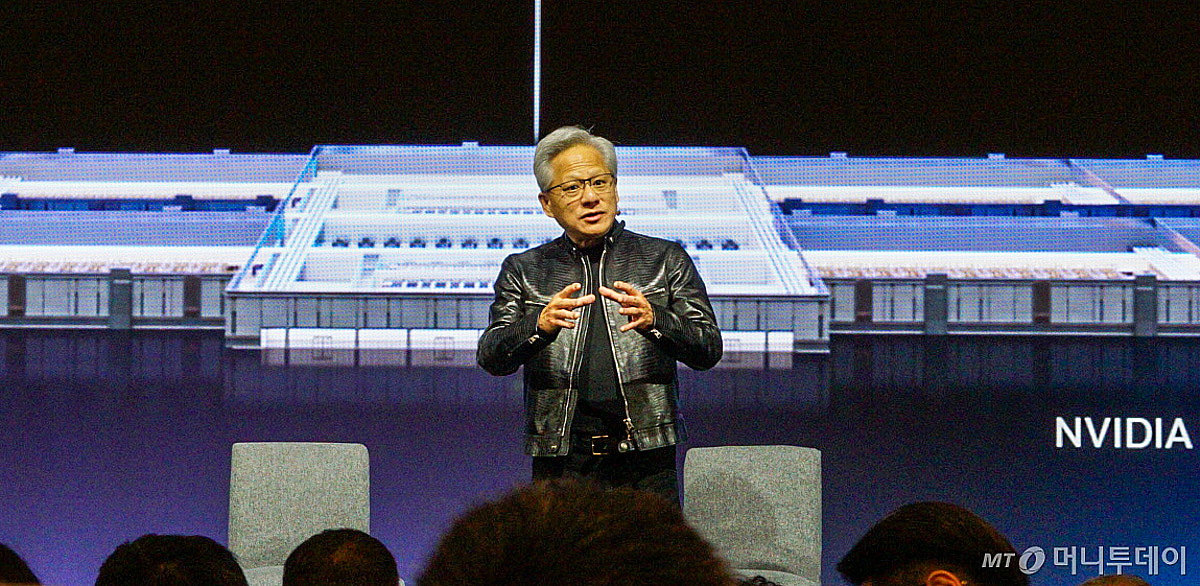
- Korean chip megacaps surged after Nvidia's CEO spoke, and new thematic ETFs tied to the trend keep launching.
The AI industry's newest buzzword is "continual learning" — an approach that blurs the once-clear line between training and inference. Traditional generative AI learns everything upfront, then just recalls it when answering. Continual-learning models keep absorbing new information even while actively serving users — industry insiders compare it to a student cramming new material mid-exam.
That shift is rewriting memory chip demand. Citigroup expects the trend, once it takes hold, to push high-bandwidth memory (HBM) demand well beyond today's levels: bit demand next year could run roughly 1.6 times this year's, nearly tripling to 2.8x by 2028. Citi argues that even amid memory-spec adjustments and lingering AI-safety concerns, this shift is the key reason supply shortages could persist for years.
The catch is that no single memory type can handle it alone. Models need to both ingest fresh data and repeatedly tap into vast stores of existing knowledge — and stashing everything in pricey HBM isn't realistic. That's expanding the role of server DRAM and NAND-based storage, and raising the stakes for tech that computes directly inside memory chips.
Samsung Electronics and SK hynix both debuted new technology to address this at a US AI infrastructure event. Samsung showed off "zHBM," a stacked design that places memory directly atop accelerator chips to shrink data-travel distance, targeting roughly 10x faster response times. SK hynix showcased PIM (processing-in-memory) tech, along with SALT-KV — which sorts data into different storage tiers by type — and a high-bandwidth flash architecture concept.
Markets are already pricing this in. Shares of both companies jumped after Nvidia's CEO said next year's chip sales could double this year's. Meanwhile, Korean markets have seen a wave of new ETFs tracking US memory makers and HBM-linked stocks. WTO data shows AI-related goods trade climbing 42% year-over-year in Q1 — far outpacing other categories — adding fuel to the bullish demand outlook.
FAQ
What is 'continual learning'?
It's an approach where AI keeps learning from new data even while actively serving users, blending it with existing knowledge — effectively erasing the old line between training and inference.
Why does this matter for Samsung and SK hynix?
Because AI memory demand could broaden well beyond the HBM market the two companies already dominate, extending into server DRAM and NAND-based storage.
Could an 'AI slowdown' narrative derail memory demand?
Some have floated the idea of AI spending cooling off, but there's no evidence of actual order cutbacks yet, and analysts say it would be hard for the whole industry to slow down in lockstep.
More from Korea today
KATSEYE Eyes 4 VMA Nods, Rides Billboard No.1 Streak →Nolan's 'The Odyssey' Tops 11M Admissions in Korea →
📎 원문 보기 · Sources
머니투데이 · Sep 19, 2026AI 속도조절론에도…'계속 배우는 AI'가 메모리 반도체 판 키운다 - 머니투데이Read the full story & photos at the source →
머니투데이 · Sep 19, 2026'반등도 AI부터…' AI·반도체 ETF 출시 이어진다 - 머니투데이Read the full story & photos at the source →
머니투데이 · Sep 19, 2026AI 속도 조절론 vs 젠슨 황…반도체주 다시 달릴까? - 머니투데이Read the full story & photos at the source →

한국경제 · Sep 19, 2026AI 덕에 한국 대박 났는데…"이미 위험한 단계" 섬뜩한 경고 [김주완의 글로벌머니 X파일]Read the full story & photos at the source →
Leave a Reply