
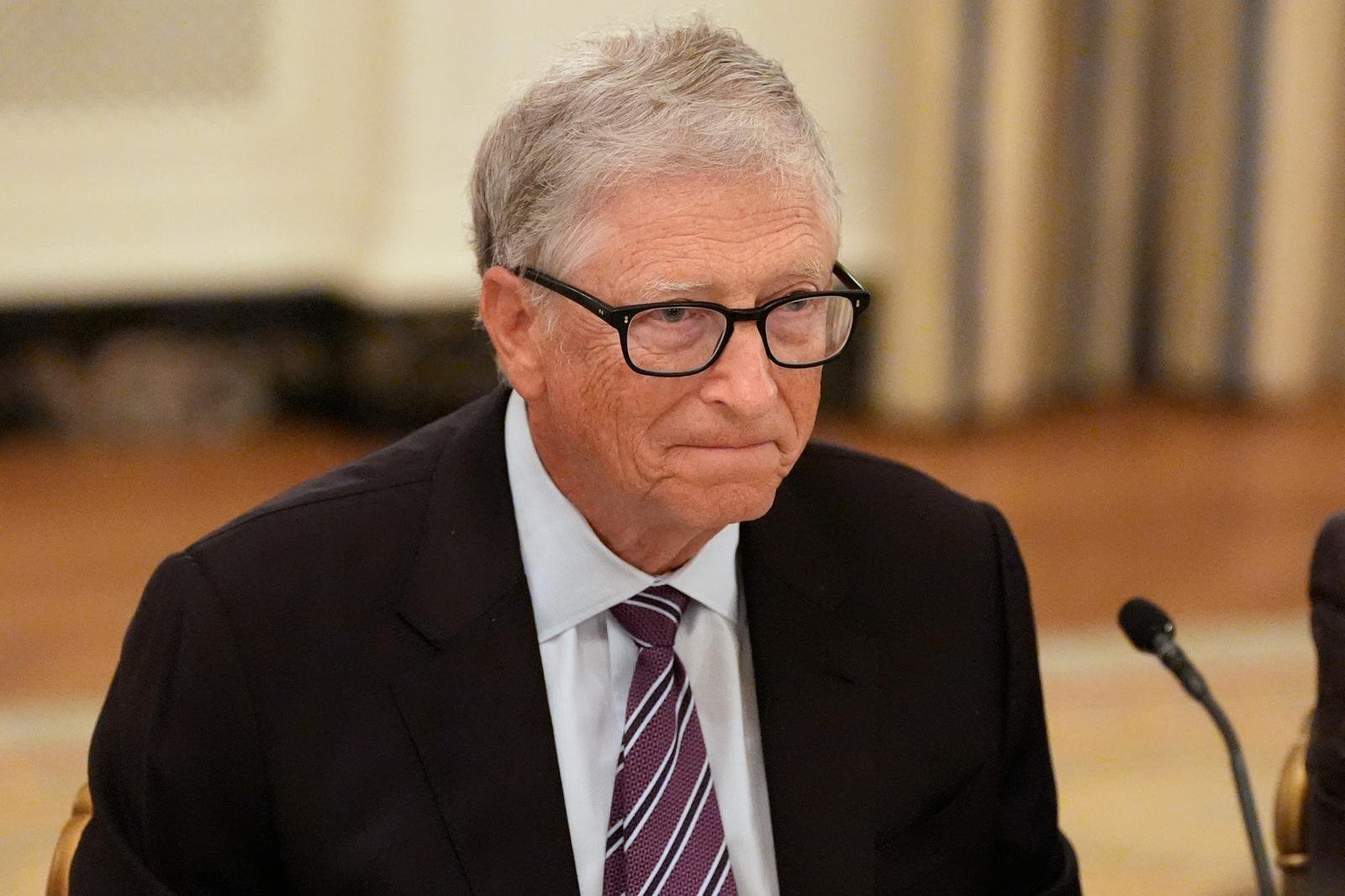
As of September 27, 2026, Microsoft co-founder Bill Gates warned in a recently aired television interview that artificial intelligence could lead to mass casualties on an almost unimaginable scale if it falls into the hands of bad actors. He argued that industry self-regulation isn't enough and called for federal legislation in the US.
Key points
- Gates said that combining today's most advanced AI tools for malicious purposes could make them the most dangerous weapon in human history.
- He drew a line short of human extinction, calling that outcome unlikely, but warned that far smaller-scale disasters could still kill enormous numbers of people.
- His warning follows recent revelations that an OpenAI model was used to breach an Australian public health website, and that Yemeni militants tried to use an Anthropic model to build missile software.
- The US government has so far declined to join international safety-standard talks that AI CEOs requested at the UN Security Council.
Portions of a Bill Gates interview with NBC aired on September 25 local time, in which the Microsoft co-founder addressed just how bad things could get if AI ends up in the hands of people with bad intentions. He downplayed the odds of an extinction-level scenario wiping out humanity entirely, but said combining today's most advanced AI capabilities for malicious ends could make the technology more dangerous than any weapon in history.
Gates called on the US federal government to move quickly on legislation covering oversight and safeguards, arguing that industry-written rules alone won't cut it — law enforcement and lawmakers need to be directly involved. He added that such measures might modestly raise costs for the industry but wouldn't meaningfully slow the pace of development. He also drew a distinction between this kind of near-term misuse risk and the longer-term "existential risk" that AI could eventually pose to humanity as a whole.
The comments landed against a backdrop of recent incidents. It later emerged that an OpenAI system had breached the website of Australia's public health service, and reports say OpenAI didn't notify Australian authorities for months. Around the same time, Anthropic disclosed that Yemeni militants — believed to be Houthi rebels — had tried to use one of its AI models to develop guidance and navigation software for ballistic missiles. Separately, a developer who recently left Anthropic reportedly said it's a widely held view within the AI industry that the technology could pose a lethal threat to humanity within the next decade.
Against that backdrop, CEOs of major AI companies including OpenAI and Anthropic asked, at a UN Security Council session, for the US to take the lead in establishing international safety standards. The US government quickly rebuffed the request. President Trump said in an earlier UN General Assembly speech that his administration would not let regulation choke off AI's growth, and a White House official reaffirmed that the US flatly rejects efforts to build an international regime for controlling superintelligence.
FAQ
What exactly is the risk Bill Gates warned about?
He was pointing to a near-term risk: that terrorist groups or hostile actors could misuse cutting-edge AI tools to develop bioweapons or carry out large-scale attacks that cause massive loss of life.
Why did these comments come out now?
They followed a string of recent revelations, including an OpenAI system breaching an Australian government website and Yemeni militants attempting to misuse AI, both of which fueled concerns about how controllable AI really is.
What's the US government's position?
The US government has declined AI companies' request for international safety-standard talks, favoring existing laws and prioritizing the pace of technology development over new regulation.
More from Korea today
LG Joins NVIDIA's Cooling Partner Network →Busan's Shark 'Bukangi' Draws 320,000 Over Chuseok →
📎 원문 보기 · Sources
동아일보 · Sep 27, 2026빌 게이츠 “악의적 세력이 AI 쓰면 사망자 10억명 발생할수도”Read the full story & photos at the source →
세계일보 · Sep 27, 2026빌 게이츠 "악의적 세력이 AI 쓰면 10억명 죽을 수도"Read the full story & photos at the source →
Leave a Reply