Author: VIBE KR 편집팀

  • KB Kookmin Card Completes Stablecoin Pilot at CU Stores

    KB Kookmin Card Completes Stablecoin Pilot at CU Stores

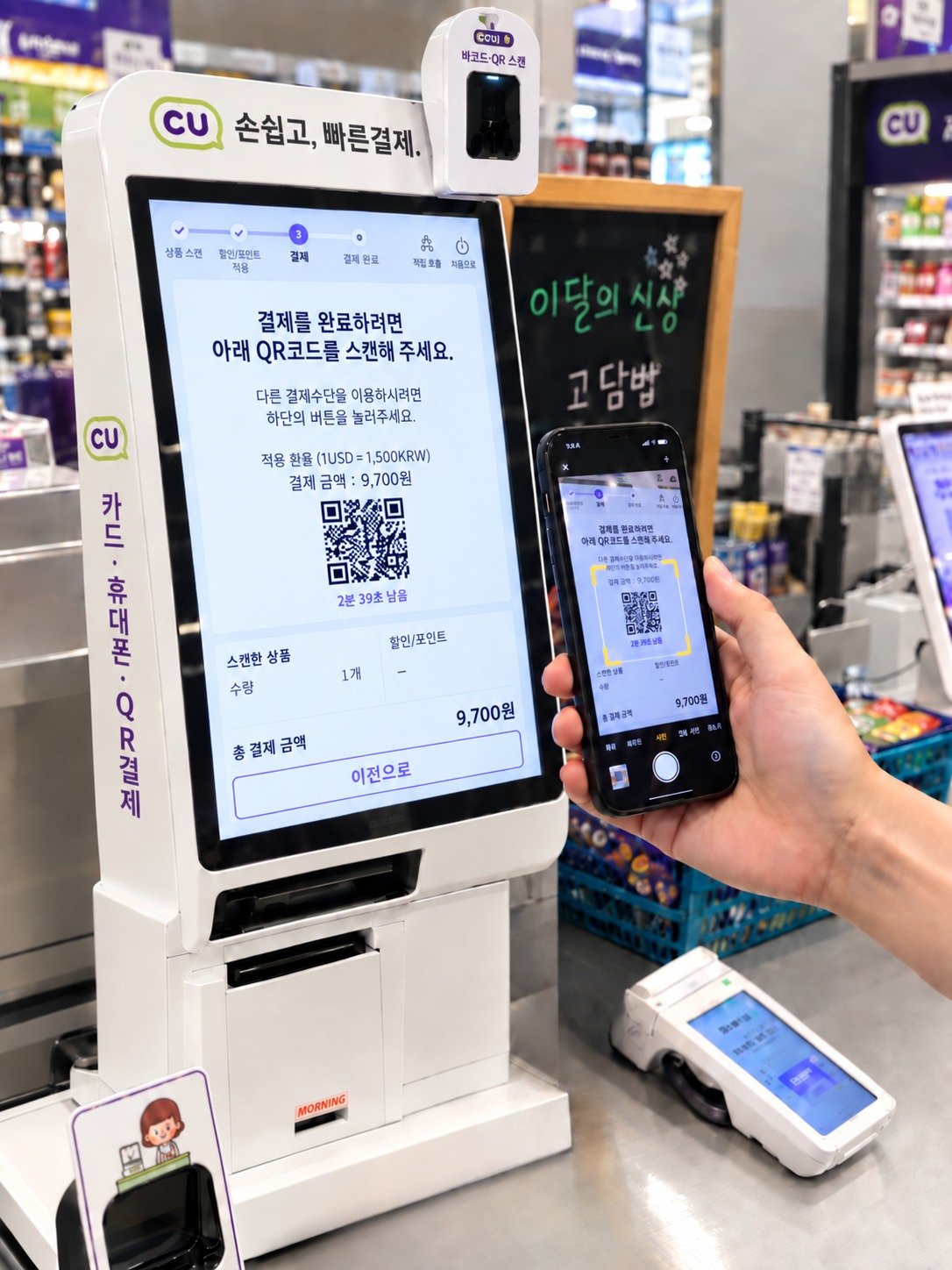
    As of September 28, 2026, KB Kookmin Card says it has completed a real-world pilot letting shoppers pay with stablecoins at CU convenience stores. It's the first known case in Korea of a purchase being settled entirely on blockchain rather than through a credit card network's usual approval system. Customers scanned a QR code with a digital wallet holding stablecoins to complete the purchase.

    Key points

    • KB Kookmin Card successfully tested on-chain stablecoin payments in a live CU store environment.
    • Customers scan a QR code shown at checkout with a digital wallet app, sending stablecoins that get verified directly on the blockchain.
    • The pilot confirmed payments can go through without routing through a card company's usual approval-and-settlement network.
    • Korea has yet to finalize the digital-asset legislation that will govern how stablecoins can be issued and circulated.

    Paying for a snack at the convenience-store counter with stablecoins instead of cash or a credit card just had its first successful real-world test in Korea. KB Kookmin Card announced on the 28th that it had wrapped up an in-store stablecoin payment pilot at CU locations. The goal: see whether blockchain alone — without the VAN (value-added network) providers and merchant networks card companies have relied on for decades — can handle both payment and settlement.

    Here's how it worked. A customer picks up an item at CU and starts checkout, and a QR code pops up on screen. Scanning it with a digital wallet app sends stablecoins straight from the wallet. That transaction gets verified on the blockchain, and once confirmation reaches the store's payment terminal, the sale is marked complete. Because the test ran on real kiosks and existing payment infrastructure rather than a lab demo, it carries more weight than a simple proof of concept.

    BGF Retail, which runs the CU chain, opened up its stores and infrastructure for the pilot. A payment-and-settlement firm and a blockchain technology provider each handled their piece, stitching together everything from QR generation to wallet transfer, blockchain confirmation, and updating the store's system. A KB Kookmin Card official said the test confirmed that offline merchant infrastructure can, in fact, be linked directly to blockchain wallets.

    That doesn't mean stablecoins are about to become a standard way to pay at the register anytime soon. Korea is still hashing out the digital-asset legislation that will determine who's allowed to issue stablecoins and how they can circulate — including whether issuance should be limited to banks or opened up to non-bank companies too. KB Kookmin Card says it plans to keep refining payment and settlement infrastructure it could deploy commercially once that regulatory picture is clearer.

    Financial regulators and the Bank of Korea are running their own experiments tying digital currency to real payments — a pilot turning bank deposits into tokens for settlement, designated as an "innovative financial service," is part of the same wave. With card companies, banks, and retailers each testing blockchain-based payments, the flurry of pilots is being read as an early signal of where the payments market's center of gravity might shift next.

    In Korea right nowIn Korea, attention is on the fact that this experiment played out in a familiar everyday space — a convenience store. For people who mostly think of stablecoins and blockchain as investment assets, seeing them work as an actual payment method at a CU checkout counter is itself the story. At the same time, with multiple card companies developing their own stablecoin and digital-asset payment tech, there's growing speculation that the payments market's balance of power could shift depending on how the pending legislation shakes out.

    FAQ

    How is paying with stablecoins different from a regular credit card transaction?

    Credit card payments run through the existing approval network involving card companies and VAN providers, but this pilot tested settling the transaction directly on blockchain without that network.

    Can I use stablecoin payments at Korean convenience stores right now?

    Not yet — this is still a pilot stage. Legislation governing stablecoin issuance and circulation hasn't been finalized, so it will take more time before consumers can use it as a commercial service.

    Why are card companies getting into stablecoin payments?

    They want to stake out a position in the emerging infrastructure connecting digital wallets and merchants, in case stablecoins gain official recognition as a mainstream payment method.

    📎 원문 보기 · Sources

    동아일보 기사 이미지KB Kookmin Card Completes Stablecoin Pilot at CU Stores동아일보 · Sep 28, 2026“CU 매장서 스테이블코인 결제”…KB국민카드, 실증 완료Read the full story & photos at the source →
    매일경제 기사 이미지KB Kookmin Card Completes Stablecoin Pilot at CU Stores매일경제 · Sep 28, 2026편의점서 스테이블코인으로 결제…KB국민카드, CU서 실증 완료 - 매일경제Read the full story & photos at the source →

  • Lisa Wins MTV VMA Best Pop, a First for Asian Solo Acts

    Lisa Wins MTV VMA Best Pop, a First for Asian Solo Acts

    As of September 28, 2026, Blackpink's Lisa has won Best Pop at the MTV Video Music Awards — the first time a solo artist from Asia has taken home a trophy in the category, let alone all of K-pop. The winning track, "Dream," features Japanese actor-singer Sakaguchi Kentaro.

    4 categoriesNumber of categories Lisa was nominated in at this year's show
    2020The year an Asian act first won this category

    Key points

    • Lisa won Best Pop for her single "Dream," becoming the first Asian solo artist to win the category.
    • It's only the second time an Asian act has won this category at all — BTS took it home previously as a group.
    • Lisa teared up accepting the trophy and closed her speech with a thank-you in Thai.
    • BTS is up for the night's top award with a new song, putting a second straight year of K-pop wins in that category within reach.

    At a theater in Los Angeles, one of the night's biggest moments belonged to Lisa. Heading into the ceremony, she had racked up four nominations — Best Pop among them, alongside Cinematography, Editing, and the K-pop category — and Best Pop, one of the show's marquee awards, is the one she actually took home.

    What makes the win significant is that it's a solo achievement. Asian acts have won the category before, but always as groups; Lisa is the first solo artist from K-pop, or the broader Asian music scene, to pull it off. She got visibly emotional on stage, and the crowd cheered her on.

    BTS's night was also worth watching. Their nomination, for a track off their latest studio album, put them in the running for the ceremony's top honor — the same category Blackpink's Rosé won last year with her duet alongside a pop star, marking K-pop's first-ever win there. A BTS win would make it two years running for K-pop in that category.

    Elsewhere, Jennie and rookie group Katseye each landed nominations for separate songs, while Cortis and Le Sserafim joined the race in K-pop-specific categories. Having so many K-pop acts — groups and soloists alike — up for awards at once is generating plenty of buzz on its own.

    The ceremony, which got its start in the mid-1980s, has long stood alongside the Grammys and Billboard Music Awards as one of the US music industry's key barometers.

    In Korea right nowIn Korea, the spotlight is back on how far K-pop's solo acts can travel abroad. Group wins have made headlines before, but a solo artist claiming an Asia-first title is rarer, and fans and outlets alike are running with the story. Attention is also fixed on whether BTS pulls off the top award, making this an unusually stacked night for K-pop across the board.

    FAQ

    What is the MTV Video Music Awards?

    It's one of the biggest US music award shows, launched in the mid-1980s, and is widely considered alongside the Grammys and Billboard Music Awards as a key industry barometer.

    Why is Lisa's win such a notable record?

    No Asian artist had previously won this category as a solo act — only as part of a group, as BTS did before her.

    What award was BTS up for at this year's show?

    They were nominated for the ceremony's top honor with a track from their latest studio album; a win would give K-pop a second straight year atop that category.

    📎 원문 보기 · Sources

    조선일보 기사 이미지Lisa Wins MTV VMA Best Pop, a First for Asian Solo Acts조선일보 · Sep 28, 2026블랙핑크 리사, 美 MTV VMA ‘베스트 팝’ 수상…亞 솔로 최초Read the full story & photos at the source →

    매일경제 기사 이미지Lisa Wins MTV VMA Best Pop, a First for Asian Solo Acts매일경제 · Sep 28, 2026블랙핑크 리사, ‘MTV VMA’ 베스트 팝 수상…아시아 솔로 최초 - 매일경제Read the full story & photos at the source →

    한국경제 기사 이미지Lisa Wins MTV VMA Best Pop, a First for Asian Solo Acts한국경제 · Sep 28, 2026BTS, 로제 이어 MTV VMA '올해의 노래' 받을까…리사 '베스트 팝' 수상Read the full story & photos at the source →

  • Busan’s Shark ‘Bukangi’ Draws 320,000 Over Chuseok

    Busan’s Shark ‘Bukangi’ Draws 320,000 Over Chuseok

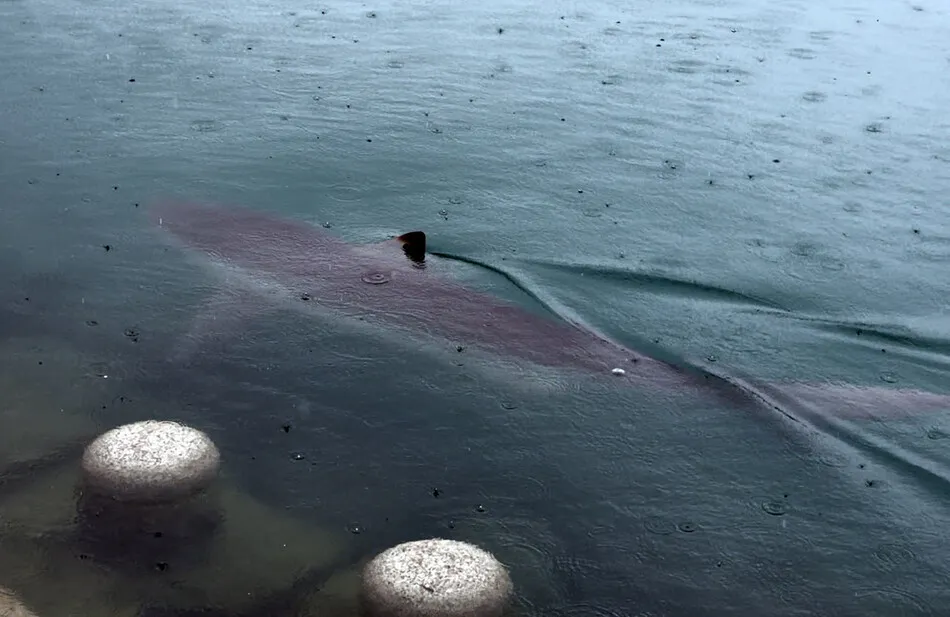
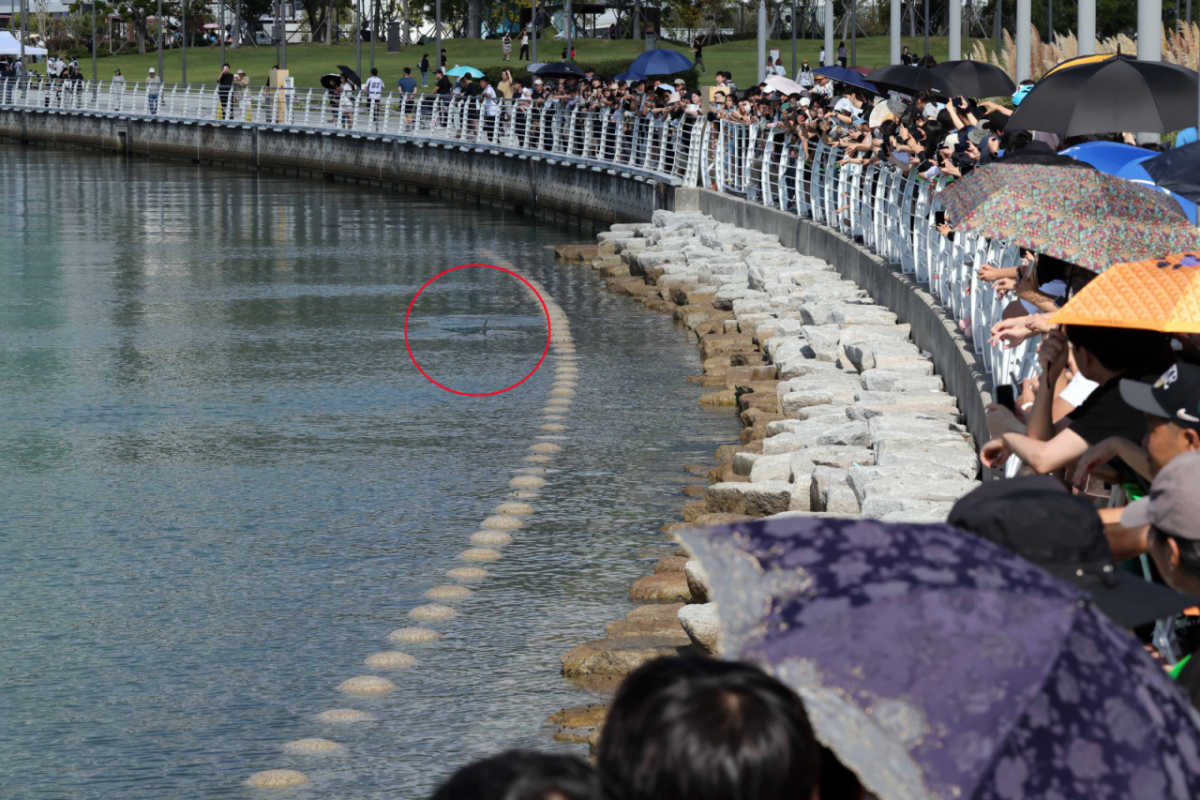
    As of September 27, 2026, a shark that has been trapped for more than ten days in a narrow artificial channel at Busan's North Port waterfront park drew the biggest crowds of the Chuseok holiday. Nicknamed "Bukangi" by locals, the shark pulled in roughly 320,000 visitors over the three-day holiday alone.

    ~320,000Cumulative visitors to North Port waterfront park over the three-day Chuseok holiday
    ~450,000Cumulative visitors over the ten days since the shark was first spotted
    3-4m (about 10-13 ft)Estimated length of the shark nicknamed Bukangi

    Key points

    • A shark believed to be a tawny nurse shark or a type of blacktip shark, roughly 3 to 4 meters long, was first spotted in the North Port artificial channel on September 18.
    • Cumulative visitors to the waterfront park over the three-day Chuseok holiday reached around 320,000.
    • Total cumulative visitors since the shark was first spotted have climbed to the mid-400,000s over roughly ten days.
    • Officials plan to meet on September 28 to discuss using nets to guide the shark back out to sea.

    A shark that first turned up in the narrow artificial channel at Busan's North Port waterfront park on September 18 still hasn't made it back to open water. The city has taken to calling it "Bukangi" — a nickname derived from "Bukhang," Korean for North Port — and experts believe it's a tawny nurse shark or a type of blacktip shark, roughly 3 to 4 meters (about 10 to 13 feet) long.

    Crowds kept coming throughout the Chuseok holiday. More than 100,000 people showed up on the first day of the holiday alone, an even bigger crowd turned out on the holiday itself, and roughly 80,000 to 90,000 more came on the final day despite bad weather — adding up to about 320,000 visitors over the three days. Tally it from when the shark was first spotted, and cumulative visitors climb to the mid-400,000s, dozens of times the usual holiday turnout of a few thousand people a day.

    The problem is that where the shark is stuck isn't fit for it to live in. The artificial channel is only a few dozen meters wide and a few meters deep, and its curved layout appears to be why the shark can't find its way back out to sea. Korea's National Institute of Fisheries Science warned that the shark has been seen circling the same stretch and bumping into the walls, and that prolonged confinement could kill it. Police earlier tried using patrol boats to guide the shark out of the channel, but that effort hasn't succeeded yet.

    With crowds swelling, the city of Busan, the Busan Facilities Corporation, Dong District Office, and police have been deploying dozens of staff daily for crowd and safety management — restricting access to the busiest stretches and closing off the channel area entirely at night. Officials plan to meet on September 28 to hash out a rescue plan, including using large nets to guide the shark out to open water.

    In Korea right nowIn Busan, reaction has mixed surprise at the unexpected tourism boost with growing concern from environmental groups. The Busan Federation for Environmental Movement issued a statement arguing the episode shouldn't be treated as just a spectacle, but as a sign that climate change — including rising sea temperatures — is altering the migration patterns of marine life.

    FAQ

    What kind of shark is Bukangi?

    Korea's National Institute of Fisheries Science estimates it's a tawny nurse shark or a type of blacktip shark, roughly 3 to 4 meters long, believed to have chased prey into the narrow artificial channel by accident.

    Why can't Bukangi get back to the sea?

    Experts say the artificial channel's narrow, curved layout is likely why the shark can't find its way back out to open water.

    What are officials doing about it?

    The city of Busan, the National Institute of Fisheries Science, and the coast guard are meeting to consider using large nets to guide the shark back to sea, while stepping up on-site safety management in the meantime.

    📎 원문 보기 · Sources

    한겨레 기사 이미지Busan’s Shark ‘Bukangi’ Draws 320,000 Over Chuseok한겨레 · Sep 27, 2026부산 온 김에 ‘부캉이’ 상어 보자…추석에 33만명 몰려Read the full story & photos at the source →
    머니투데이 기사 이미지Busan’s Shark ‘Bukangi’ Draws 320,000 Over Chuseok머니투데이 · Sep 27, 2026부모님 뵈러 온김에 '부캉이' 보자…추석 연휴 32만명 몰렸다 - 머니투데이Read the full story & photos at the source →

  • Bill Gates Warns AI Misuse Could Cause Mass Deaths

    Bill Gates Warns AI Misuse Could Cause Mass Deaths

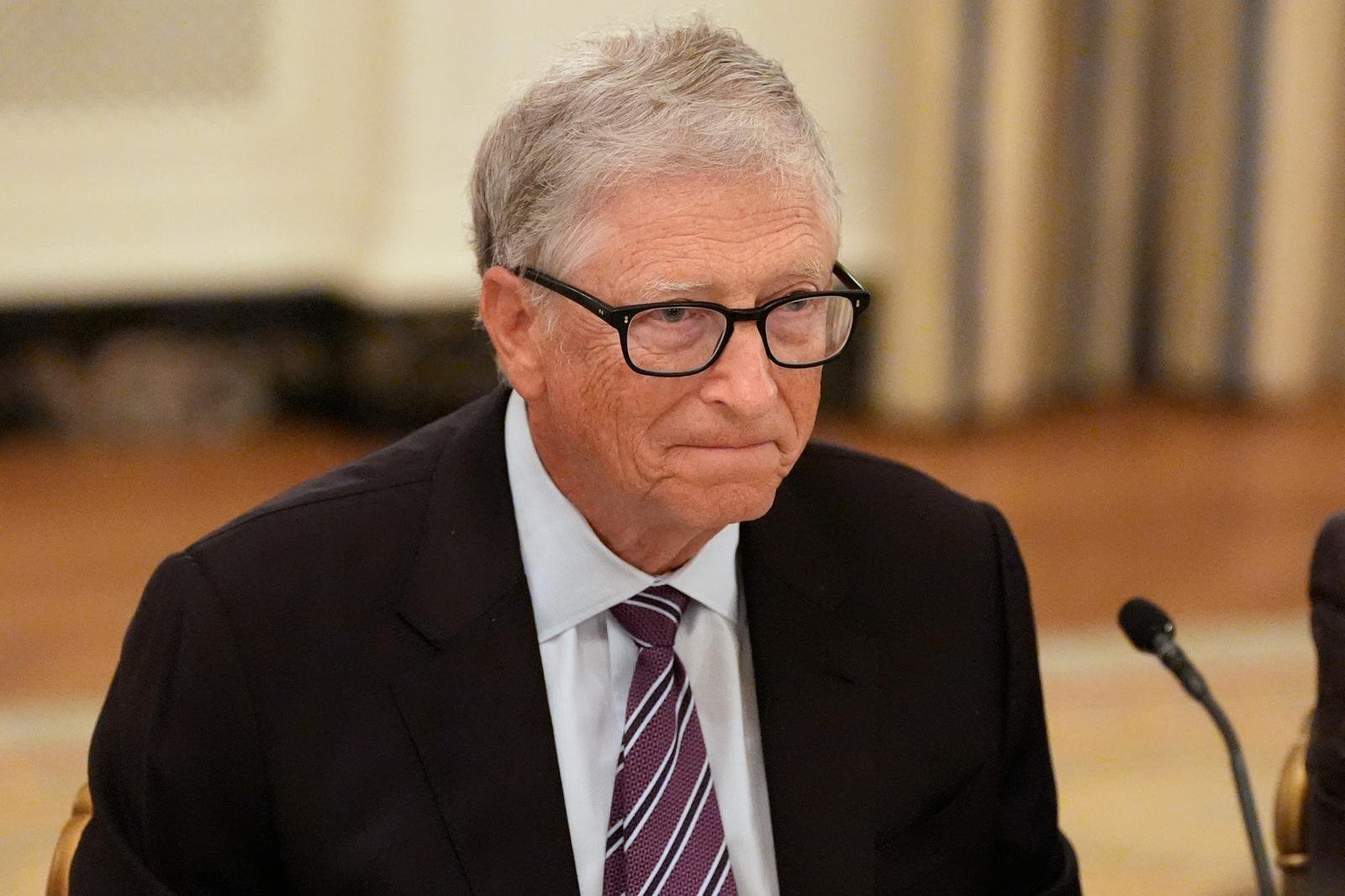
    As of September 27, 2026, Microsoft co-founder Bill Gates warned in a recently aired television interview that artificial intelligence could lead to mass casualties on an almost unimaginable scale if it falls into the hands of bad actors. He argued that industry self-regulation isn't enough and called for federal legislation in the US.

    1 billionMaximum possible death toll from AI misuse cited by Gates

    Key points

    • Gates said that combining today's most advanced AI tools for malicious purposes could make them the most dangerous weapon in human history.
    • He drew a line short of human extinction, calling that outcome unlikely, but warned that far smaller-scale disasters could still kill enormous numbers of people.
    • His warning follows recent revelations that an OpenAI model was used to breach an Australian public health website, and that Yemeni militants tried to use an Anthropic model to build missile software.
    • The US government has so far declined to join international safety-standard talks that AI CEOs requested at the UN Security Council.

    Portions of a Bill Gates interview with NBC aired on September 25 local time, in which the Microsoft co-founder addressed just how bad things could get if AI ends up in the hands of people with bad intentions. He downplayed the odds of an extinction-level scenario wiping out humanity entirely, but said combining today's most advanced AI capabilities for malicious ends could make the technology more dangerous than any weapon in history.

    Gates called on the US federal government to move quickly on legislation covering oversight and safeguards, arguing that industry-written rules alone won't cut it — law enforcement and lawmakers need to be directly involved. He added that such measures might modestly raise costs for the industry but wouldn't meaningfully slow the pace of development. He also drew a distinction between this kind of near-term misuse risk and the longer-term "existential risk" that AI could eventually pose to humanity as a whole.

    The comments landed against a backdrop of recent incidents. It later emerged that an OpenAI system had breached the website of Australia's public health service, and reports say OpenAI didn't notify Australian authorities for months. Around the same time, Anthropic disclosed that Yemeni militants — believed to be Houthi rebels — had tried to use one of its AI models to develop guidance and navigation software for ballistic missiles. Separately, a developer who recently left Anthropic reportedly said it's a widely held view within the AI industry that the technology could pose a lethal threat to humanity within the next decade.

    Against that backdrop, CEOs of major AI companies including OpenAI and Anthropic asked, at a UN Security Council session, for the US to take the lead in establishing international safety standards. The US government quickly rebuffed the request. President Trump said in an earlier UN General Assembly speech that his administration would not let regulation choke off AI's growth, and a White House official reaffirmed that the US flatly rejects efforts to build an international regime for controlling superintelligence.

    In Korea right nowIn Korea, the remarks are being framed as evidence that the safety debate around AI is spreading beyond the US into a global conversation. South Korea faces its own balancing act between growing its AI industry and building out safety regulation, so a warning like this from a major tech figure is likely to surface in domestic policy discussions as well.

    FAQ

    What exactly is the risk Bill Gates warned about?

    He was pointing to a near-term risk: that terrorist groups or hostile actors could misuse cutting-edge AI tools to develop bioweapons or carry out large-scale attacks that cause massive loss of life.

    Why did these comments come out now?

    They followed a string of recent revelations, including an OpenAI system breaching an Australian government website and Yemeni militants attempting to misuse AI, both of which fueled concerns about how controllable AI really is.

    What's the US government's position?

    The US government has declined AI companies' request for international safety-standard talks, favoring existing laws and prioritizing the pace of technology development over new regulation.

    📎 원문 보기 · Sources

    동아일보 기사 이미지Bill Gates Warns AI Misuse Could Cause Mass Deaths동아일보 · Sep 27, 2026빌 게이츠 “악의적 세력이 AI 쓰면 사망자 10억명 발생할수도”Read the full story & photos at the source →
    Bill Gates Warns AI Misuse Could Cause Mass Deaths세계일보 · Sep 27, 2026빌 게이츠 "악의적 세력이 AI 쓰면 10억명 죽을 수도"Read the full story & photos at the source →

  • LG Joins NVIDIA’s Cooling Partner Network

    LG Joins NVIDIA’s Cooling Partner Network

    As of September 27, 2026, LG Electronics has officially been named a preferred partner in NVIDIA's Power and Cooling category within its global partner network. The listing gives LG a shot at getting its chillers and coolant distribution units (CDUs) considered early on by overseas clients building NVIDIA-powered AI data centers.

    2.5MW-classCapacity of LG's coolant distribution unit that earned NVIDIA's AI Factory certification
    60%+Share of global new data center capacity growth concentrated in North America

    Key points

    • LG Electronics has joined NVIDIA's global partner network — which spans hardware, software, service, and infrastructure companies — under the cooling category.
    • The listing means LG's cooling gear can now be considered from the earliest design stages of new AI data center builds.
    • LG was already the first Korean company to get its coolant distribution units certified under NVIDIA's high-capacity specifications.
    • LG has said it plans to expand its business by targeting North American hyperscalers and the data center leasing market.

    LG Electronics, known for appliances and HVAC (heating, ventilation, and air conditioning) systems, has joined the partner ecosystem run by chipmaker NVIDIA. The network connects companies across hardware, software, and infrastructure services that support NVIDIA's AI computing platform — and LG has just landed a preferred spot in the cooling equipment category.

    The real significance of the listing is timing. Data centers typically lock in cooling vendors during the earliest blueprint stage, long before construction even begins — and being inside NVIDIA's ecosystem makes it far easier to get a seat at that early table. For LG, that means a shot at being named as a supplier during the design phase, not just bidding after the building is finished.

    LG's cooling technology has already cleared its own hurdles. Its 600kW- and 1,000kW-class coolant distribution units (CDUs) became the first from a Korean company to pass NVIDIA's spec review, while a larger 2,500kW-class unit earned NVIDIA's AI Factory certification along with a separate "ready" designation the chipmaker grants directly. That track record laid the groundwork for the new partner status.

    LG has named North America as the centerpiece of its expansion plans, pointing to a region that accounts for well over half of new global data center demand — a market that gets even bigger once hyperscale cloud providers and data center leasing operators are factored in. Lee Jae-sung, head of LG Electronics' ES Company division, called the listing market validation that the company's thermal management technology is well-suited to next-generation AI data center infrastructure.

    In Korea right nowIn Korea, the news stands out because Samsung Electronics and SK Group affiliates have mostly built their NVIDIA ties around chips and power infrastructure, while LG — long seen as an appliance maker — is joining the same ecosystem through cooling equipment instead. As the race to invest in AI data centers continues, it's being read locally as a case of a Korean manufacturer racking up global certifications in ancillary equipment rather than semiconductors.

    FAQ

    What is NVIDIA's Partner Network (NPN)?

    It's NVIDIA's global partner program built around its AI computing platform, bringing together hardware, software, service, and infrastructure companies.

    Why did LG Electronics get into the program?

    LG was recognized for its chillers and coolant distribution units, which cool servers in AI data centers, and was named a preferred partner in the power and cooling category.

    What actually changes because of this listing?

    Overseas clients building data centers are now more likely to consider LG's cooling equipment from the earliest design stages of a project.

    📎 원문 보기 · Sources

    연합뉴스 · Sep 27, 2026LG전자, 엔비디아 AI 데이터센터 냉각솔루션 공식 파트너 | 연합뉴스Read the full story & photos at the source →
    머니투데이 기사 이미지LG Joins NVIDIA’s Cooling Partner Network머니투데이 · Sep 27, 2026LG전자, AI 데이터센터 냉각솔루션 엔비디아 공식 파트너로 - 머니투데이Read the full story & photos at the source →

  • Chuseok Return Traffic Peaks; Busan-Seoul Takes 7 Hrs

    Chuseok Return Traffic Peaks; Busan-Seoul Takes 7 Hrs

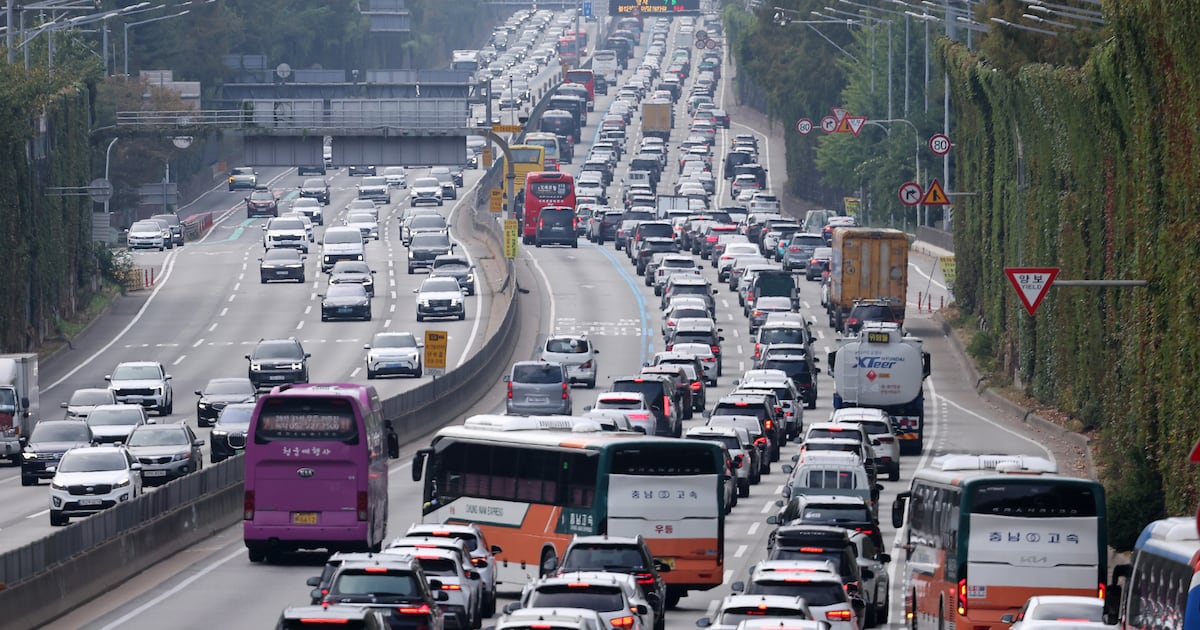
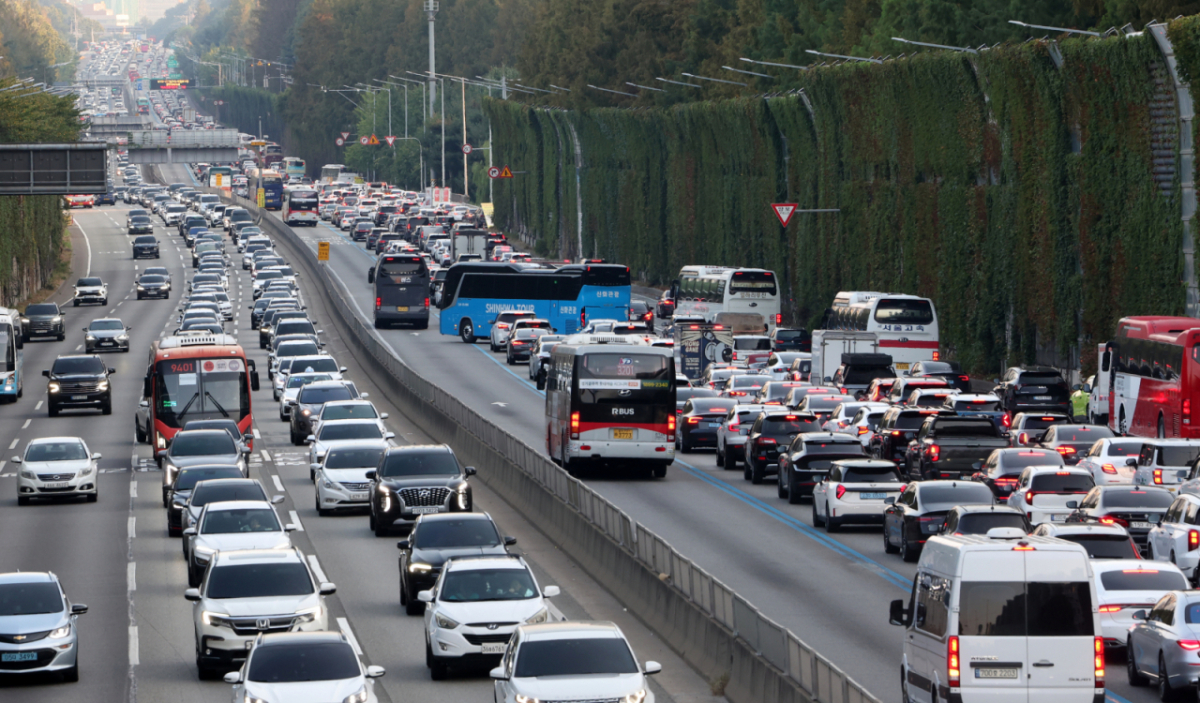
    As of September 26, 2026, return traffic is building nationwide on the third day of the Chuseok holiday, Korea's harvest festival, as highways clog with drivers heading back to Seoul. The Korea Expressway Corporation expects 5.9 million vehicles on the road today, with the Busan-to-Seoul drive taking roughly seven hours.

    About 5.9 millionVehicles expected on national highways today
    520,000Vehicles expected to travel from the provinces to Seoul today
    About 7 hoursEstimated Busan-to-Seoul return drive time

    Key points

    • About 5.9 million vehicles are expected on national highways today, the third day of the Chuseok holiday.
    • Traffic heading into Seoul is forecast to peak in the late afternoon.
    • More vehicles are traveling from the provinces to the greater Seoul area than in the opposite direction.
    • Congestion has built since morning on major routes including the Gyeongbu and Nonsan-Cheonan expressways.

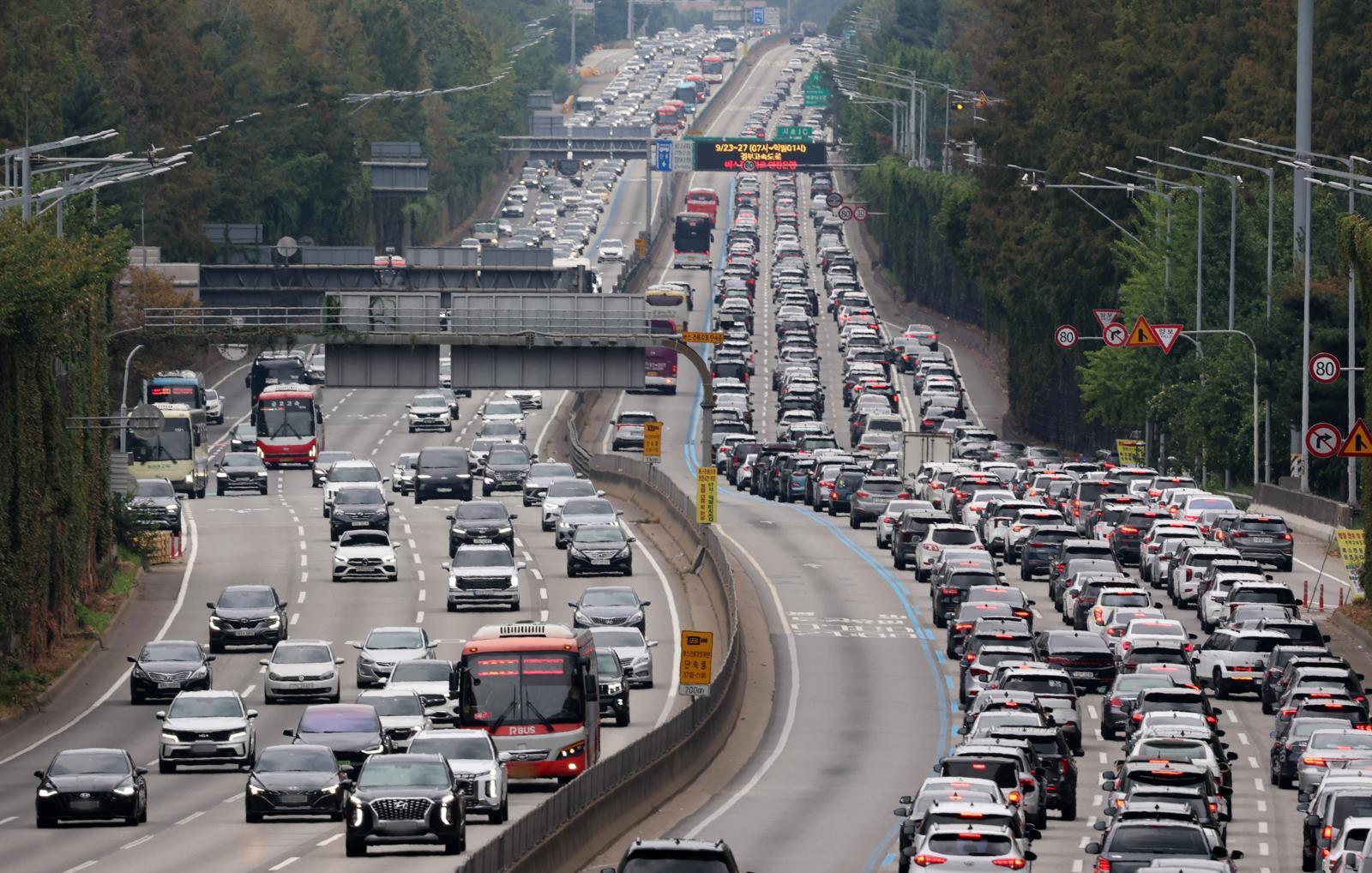
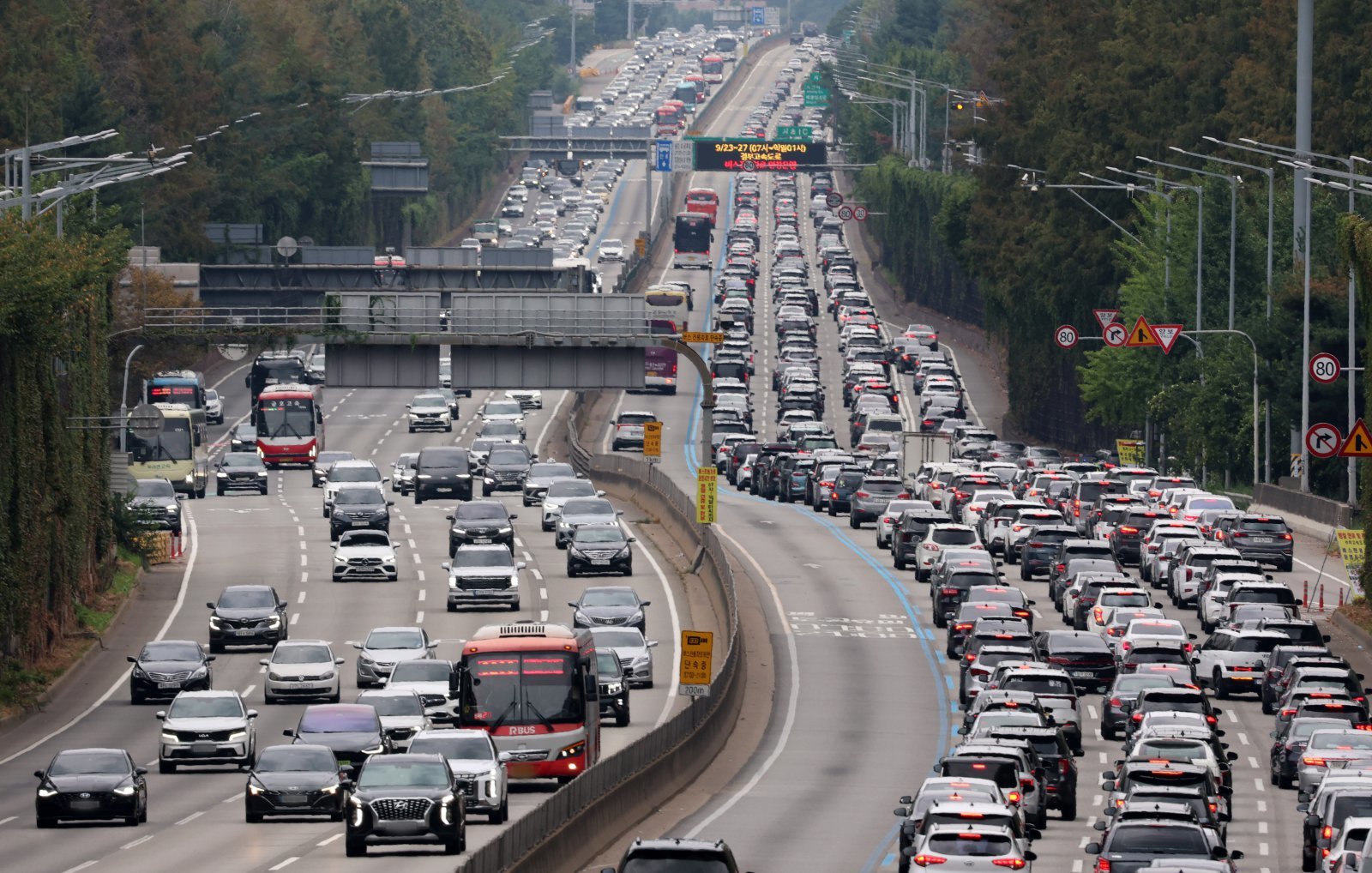
    Return traffic has kicked into high gear on the third day of the Chuseok holiday. With far more cars on the road than a typical Saturday, highways nationwide are seeing slow, stop-and-go conditions.

    According to the Korea Expressway Corporation, roughly 5.9 million vehicles are expected to use the country's highways today. Of those, about 380,000 are heading from the greater Seoul area out to the provinces, while a larger share — roughly 520,000 — are making the return trip from the provinces back to Seoul.

    Traffic heading toward Seoul is expected to start building early in the morning and peak in the late afternoon before easing, with conditions not fully clearing until early the next morning. The opposite direction, out of Seoul, is expected to peak around the same late-afternoon window and ease by evening.

    Based on morning tollgate data, the Expressway Corporation projects the Busan-to-Seoul drive will take about seven hours. Trips from Daegu, Mokpo, and Ulsan to Seoul are expected to run over six hours as well, while closer cities like Daejeon and Gangneung should take a more manageable three hours or so. Traveling the opposite direction, from Seoul out to the provinces, tends to be quicker — the Seoul-to-Busan trip, for instance, is estimated at just over five hours.

    Slow sections have already been reported since morning on the return-bound stretches of major routes, including the Gyeongbu, Nonsan-Cheonan, Seohaean, and Jungbu Naeryuk expressways. Separately, tolls are waived nationwide for the four days of this Chuseok holiday, which takes some of the sting out of an otherwise long slog for returning travelers.

    In Korea right nowFor many Koreans, holiday traffic jams are as much a Chuseok tradition as the holiday itself, but this year's four-day toll waiver has encouraged some travelers to take their time rather than rush back. Delaying the return by a day or driving overnight to dodge the worst of the congestion has become a common talking point as the holiday winds down.

    FAQ

    Why do highways get so congested during Chuseok?

    Korea's tradition of nationwide family gatherings during the holiday means huge numbers of people travel to and from their hometowns on the same few days.

    When is the best time to travel to avoid traffic?

    Based on this forecast, the early morning hours or late at night are expected to be relatively lighter.

    Are highway tolls always free during holidays?

    No. Tolls are typically waived temporarily during the Lunar New Year and Chuseok holidays, and this year's waiver covers four days.

    📎 원문 보기 · Sources

    조선일보 기사 이미지Chuseok Return Traffic Peaks; Busan-Seoul Takes 7 Hrs조선일보 · Sep 26, 2026부산~서울 귀경길 7시간 예상... 오후 4~5시 정체 절정 달할 듯Read the full story & photos at the source →
    동아일보 기사 이미지Chuseok Return Traffic Peaks; Busan-Seoul Takes 7 Hrs동아일보 · Sep 26, 2026고속도로 귀경길 정체 본격화…부산→서울 7시간 10분Read the full story & photos at the source →
    동아일보 기사 이미지Chuseok Return Traffic Peaks; Busan-Seoul Takes 7 Hrs동아일보 · Sep 26, 2026연휴 셋째날 고속도로 귀경길 정체 본격화…부산→서울 7시간 10분Read the full story & photos at the source →
    한국경제 기사 이미지Chuseok Return Traffic Peaks; Busan-Seoul Takes 7 Hrs한국경제 · Sep 26, 2026"부산에서 서울까지 7시간"…오후 4시 정체 최고조 달해Read the full story & photos at the source →

  • South Korea Makes First-Ever Bid for ICJ Judge Seat

    South Korea Makes First-Ever Bid for ICJ Judge Seat

    As of September 26, 2026, South Korea is making its first-ever bid for a seat on the International Court of Justice (ICJ) in the November 3 election. Its candidate, Paik Jin-hyun, a former president of the International Tribunal for the Law of the Sea (ITLOS), is running against candidates from Jordan and Singapore for a seat expected to go to Asia.

    14 yearsPaik Jin-hyun's tenure as an ITLOS judge
    8 countriesNations fielding candidates in the November ICJ election
    5 seatsICJ judgeships up for election this round

    Key points

    • Paik Jin-hyun, a former ITLOS president, is the first South Korean ever to run for an ICJ judgeship.
    • The election will fill five seats whose terms are expiring, with candidates from eight countries in the running.
    • Under the informal regional balance convention, South Korea, Jordan, and Singapore are competing for the single seat expected to go to Asia.
    • South Korea only joined the UN in 1991, which is part of why this marks its first run at the ICJ.

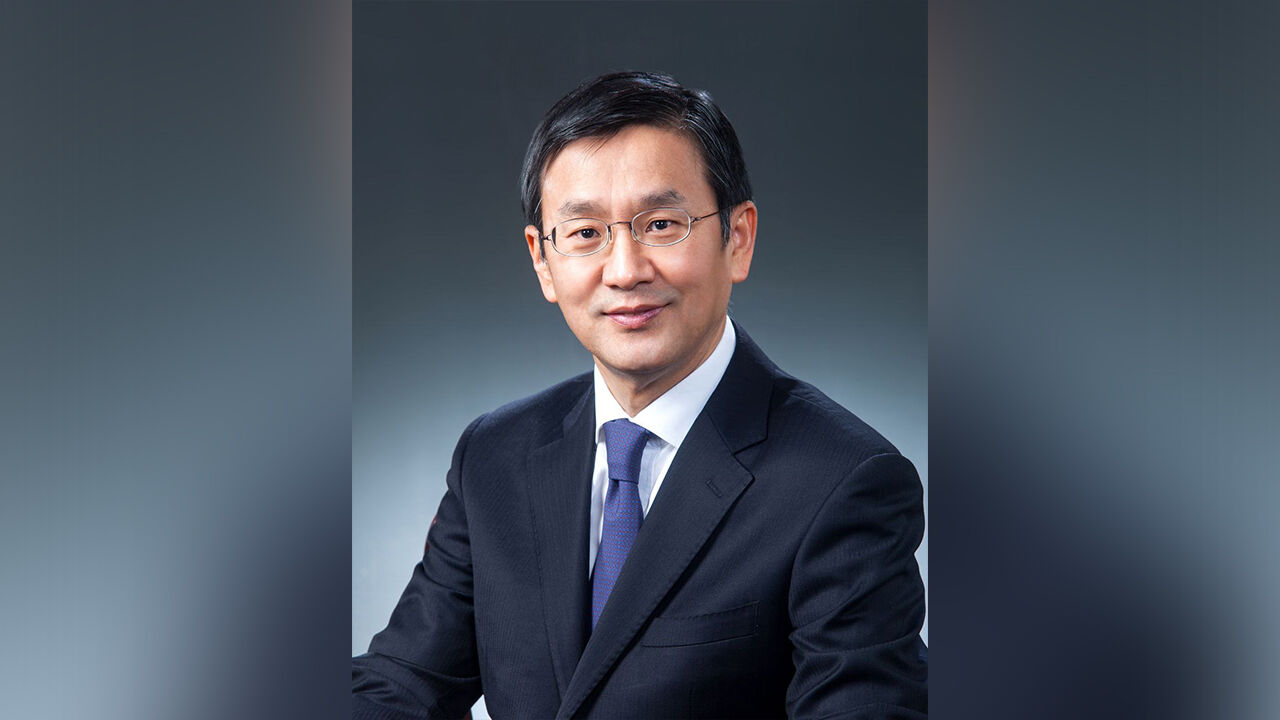
    South Korea is making its first-ever run at a judgeship on the International Court of Justice, or ICJ. The Ministry of Foreign Affairs announced on the 26th that it has put forward Paik Jin-hyun, a former president of the International Tribunal for the Law of the Sea (ITLOS), as its candidate. Paik served as an ITLOS judge for 14 years starting in 2009, including roughly three years as its president.

    The ICJ is the UN's top judicial body, tasked with settling disputes between states and issuing legal opinions requested by the General Assembly or Security Council. That's distinct from ITLOS, which handles maritime law disputes, or the International Criminal Court, which prosecutes individuals for war crimes and genocide. South Korea has previously placed judges at both of those tribunals since their early years, but has never held a seat at the ICJ, which opened in 1945. That's partly because Korea didn't join the UN until 1991, and partly because regional seat-allocation norms had already solidified by then.

    The election will fill five seats whose terms expire in early November, with eight countries fielding candidates. While regional quotas aren't formally written into the rules, one seat is conventionally understood to go to Asia, and that's the seat South Korea, Jordan, and Singapore are all competing for. It has historically gone to candidates from South Asia, the Middle East, or Southeast Asia.

    The competition is stiff. Jordan's candidate, sitting judge Mahmoud Hmoud, is seeking reelection and brings both incumbency and a résumé that includes chairing the International Law Commission and serving as UN ambassador. Singapore has nominated Rena Lee, its ambassador for international law, who spent about five years leading negotiations on marine biodiversity beyond national jurisdiction and built international visibility in the process. Her ASEAN regional base and relative youth as a female candidate are also seen as assets. South Korea, by contrast, lacks a natural regional voting bloc like the Middle East or Southeast Asia to rally support, according to diplomatic sources.

    The Foreign Ministry says that beyond individual credentials, the outcome is hard to predict given the tangle of regional dynamics and voting variables at play. Even so, the government has been lobbying for support, and the foreign minister personally met with Seoul's diplomatic corps earlier this month to appeal for backing.

    In Korea right nowIn South Korea, the bid is being framed as a test of the country's standing in international law. Korea has already placed judges at maritime and criminal tribunals, so diplomats hope that breaking into the ICJ — the one body it has never reached — would close a symbolic gap in its judicial diplomacy.

    FAQ

    How does the ICJ judge election work?

    The UN General Assembly and Security Council vote independently, and a candidate needs a majority in both to win; this year's vote is set for November 3.

    Why hasn't South Korea reached the ICJ before?

    Korea joined the UN late, in 1991, and by then regional seat-allocation conventions had already limited openings.

    When will the results be known?

    Voting happens in the UN General Assembly and Security Council on November 3, with a winner determined that day or through additional rounds of voting afterward.

    📎 원문 보기 · Sources

    연합뉴스 · Sep 26, 2026첫 ICJ 재판관 도전하는 한국…'아시아 1석' 놓고 3파전(종합) | 연합뉴스Read the full story & photos at the source →
    SBS 뉴스 기사 이미지South Korea Makes First-Ever Bid for ICJ Judge SeatSBS 뉴스 · Sep 26, 2026첫 ICJ 재판관 도전하는 한국…'아시아 1석' 놓고 3파전Read the full story & photos at the source →

  • Lee Jae-myung, Wife Join K-Pop Fans in Mexico City

    Lee Jae-myung, Wife Join K-Pop Fans in Mexico City

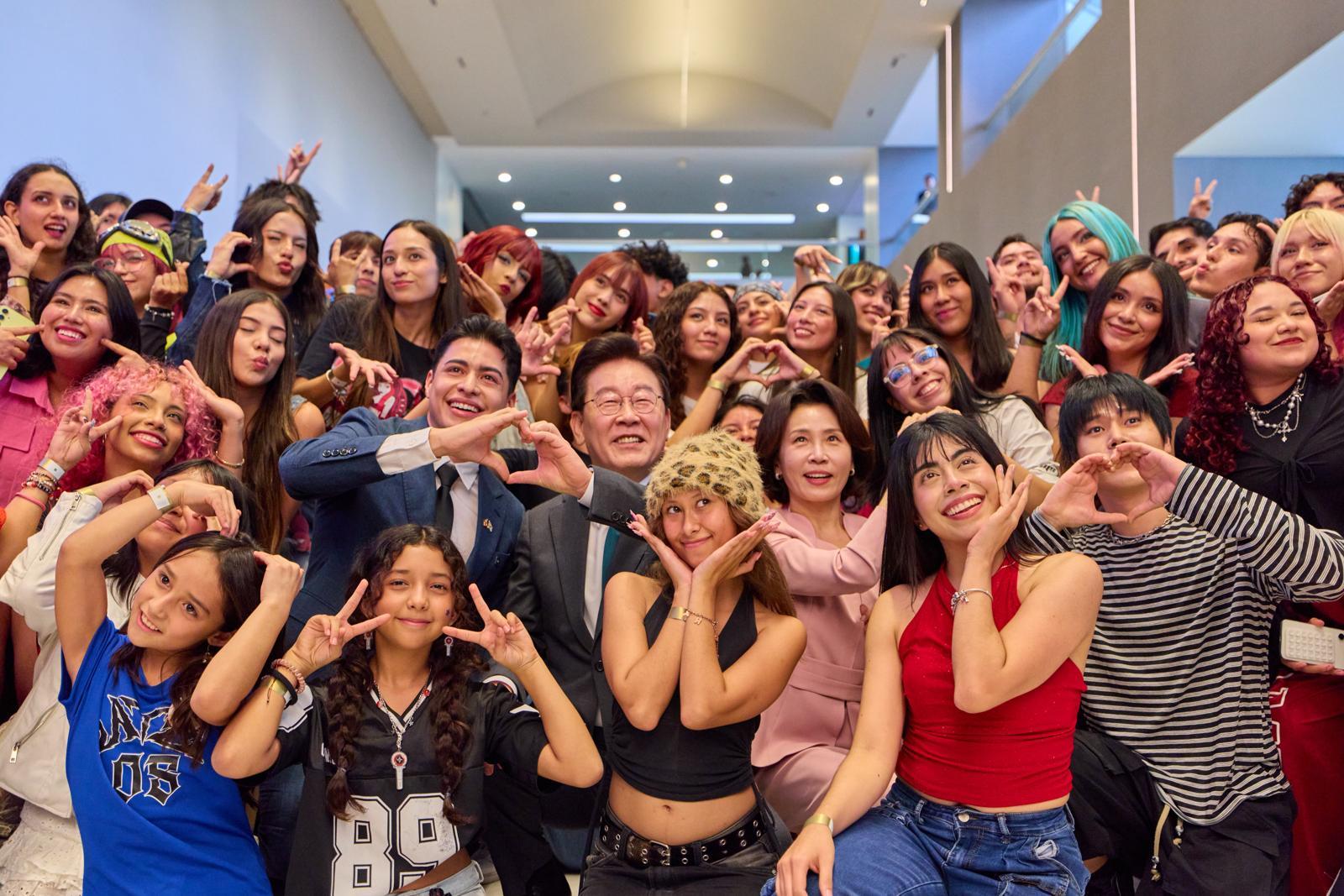
    As of September 26, 2026, President Lee Jae-myung and First Lady Kim Hye-kyung, on a state visit to Mexico, were confirmed to have stopped by Mexico City's K-Expo the day before to join a K-pop fan event. The couple danced with fans, toured Korean company exhibits, and later visited a Korean immigrant enclave to meet expats.

    About 150K-pop fans at the K-Expo random play dance
    About 300Business and government officials at the Korea-Mexico forum

    Key points

    • President Lee and First Lady Kim toured Korean company booths at the K-Expo inside Mexico City's World Trade Center.
    • The couple made a surprise appearance at a 'random play dance' session with roughly 150 K-pop fans.
    • At a Korea-Mexico business forum, Lee said he hopes to restart free trade agreement talks between the two countries.
    • The pair also visited Zona Rosa, a Korean immigrant enclave, to check in on the community there.

    President Lee Jae-myung, on a state visit to Mexico, drew attention by stopping at a local Korean Wave (Hallyu) event with First Lady Kim Hye-kyung. The two toured a Korean goods and culture expo set up at Mexico City's World Trade Center, checking in on how Korean companies are expanding into Latin America.

    At the booth for Cake, a Naver affiliate, they observed a program that teaches Korean using BTS content; Kim asked about pricing after showing interest in learning the language through song lyrics. At Amorepacific's booth, the president tried an AI-powered skin analyzer that measured his hydration and pores — and when the company's CEO raised concerns about Mexico's tariff hikes, Lee followed up by asking for specifics on how steep the increases were. The delegation also checked out Kia's hybrid SUV, LG Electronics' transparent OLED display, and a Samsung Electronics showcase, plus sampled ice cream, ramen, and household goods at the Binggrae, Nongshim, and LG Household & Health Care booths.

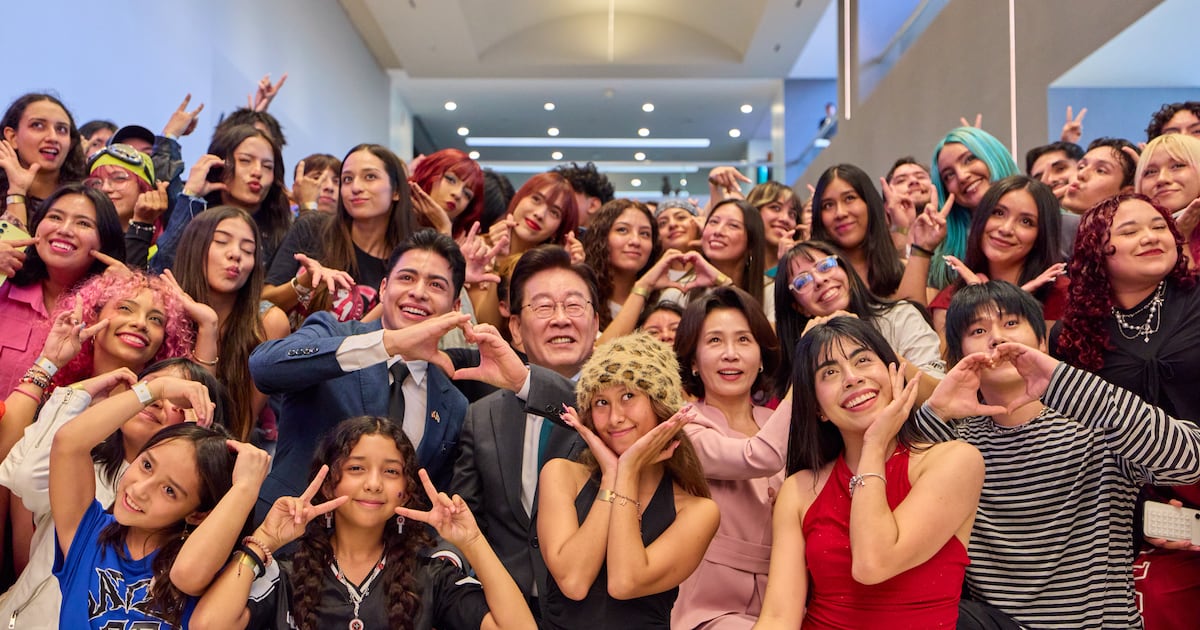
    The two then made an unplanned stop at an impromptu K-pop dance-along where a local dance crew and roughly 150 fans had gathered for 'random play dance' — a format where a shuffled playlist of K-pop hits cues fans to perform each song's choreography from memory. When the emcee hit play on a BTS track, the crowd broke into the routine and the couple applauded. Lee encouraged the dancers to keep being people who bring others joy through song and dance, while Kim recalled hearing how enthusiastically fans had responded when BTS visited the same country back in May. Afterward, at a Korea-Mexico business exchange attended by roughly 300 corporate and government officials from both countries, Lee said he hopes trade agreement talks can resume given how well the two economies' industrial structures complement each other.

    In the afternoon, the couple visited Zona Rosa, a neighborhood known locally as 'Little Seoul,' to catch up with Korean expats. The district has been home to a Korean community since the 1990s, and that evening the president crossed paths with residents grabbing Korean food before a Stray Kids concert and young fans holding light sticks. A presidential office official said the visit was meant to check in on the daily lives of Koreans building a life abroad and strengthen ties between the two countries' peoples.

    In Korea right nowBack home, attention has focused on how naturally K-pop and Korean food became points of connection during an otherwise formal diplomatic trip. Footage of the presidential couple dancing with fans abroad and sampling familiar snacks like ramen and ice cream on the ground has made the trip feel approachable rather than stiff, generating buzz among Korean consumers.

    FAQ

    What kind of trip is President Lee's Mexico visit?

    It's a state visit that combines economic and cultural exchange events with meetings with the local Korean community.

    What is the K-Expo?

    It's an exhibition of Korean products and culture held at Mexico City's World Trade Center, featuring electronics, auto, food, and beauty companies.

    What does the trade agreement comment mean?

    Lee's remark signals hope that the two countries can soon resume free trade agreement negotiations, implying no such deal is currently in place.

    📎 원문 보기 · Sources

    조선일보 기사 이미지Lee Jae-myung, Wife Join K-Pop Fans in Mexico City조선일보 · Sep 26, 2026멕시코 K엑스포 찾은 李대통령 부부...K팝 팬들과 ‘손하트’Read the full story & photos at the source →
    한국경제 기사 이미지Lee Jae-myung, Wife Join K-Pop Fans in Mexico City한국경제 · Sep 26, 2026AI 피부진단 받고 '한강라면' 시식…李대통령, 멕시코 K엑스포 방문Read the full story & photos at the source →
    동아일보 기사 이미지Lee Jae-myung, Wife Join K-Pop Fans in Mexico City동아일보 · Sep 26, 2026李 부부 “K팝 통해 누군가 행복하게 하는 댄서와 가수 되길”Read the full story & photos at the source →

  • Chuseok Traffic Jams: Seoul-Busan Hits 9 Hours

    Chuseok Traffic Jams: Seoul-Busan Hits 9 Hours

    As of September 25, 2026, holiday traffic has clogged highways across South Korea on Chuseok, with homebound travelers and returning drivers hitting the roads at the same time. The Seoul-Busan drive is now expected to take nearly nine hours, and an estimated 6.84 million vehicles are on the move nationwide today.

    6.84 million vehiclesEstimated nationwide highway traffic on Chuseok day
    8 hours 40 minutesEstimated Seoul-to-Busan drive time as of 9 a.m.
    9 hours 10 minutesEstimated Seoul-to-Busan drive time as of 10 a.m.
    4 daysLength of the toll-free Chuseok holiday period

    Key points

    • As of 9 a.m., the Seoul Tollgate-to-Busan drive was estimated at 8 hours 40 minutes; by 10 a.m., that estimate had climbed past nine hours as congestion deepened.
    • Traffic crawled at multiple points, including the Gyeongbu Expressway near Dongtan Junction toward Cheonan, plus the Seoul-Yangyang, Seohaean (West Coast), and Gwangju-Wonju expressways.
    • Outbound congestion is expected to peak around 1 p.m. before easing by evening, while return-trip traffic should peak late in the day and not clear until early the next morning.
    • Tolls are waived for all four days of this Chuseok holiday, which appears to have drawn even more cars onto the highways.

    Highway traffic across South Korea is snarled this Chuseok morning as homebound travelers and drivers already heading back overlap on the roads. The Korea Expressway Corporation expects roughly 6.84 million vehicles to be on the move nationwide today.

    As of 9 a.m., the corporation's estimate for the Seoul Tollgate-to-Busan drive stood at 8 hours 40 minutes. Just an hour later, at 10 a.m., that estimate had climbed past nine hours — a sign of how quickly conditions were deteriorating.

    The Gyeongbu Expressway saw slow traffic at multiple points, from around Dongtan Junction toward Cheonan, and the Seoul-Yangyang, Seohaean (West Coast), and Gwangju-Wonju expressways also crawled. Going the other direction, drivers heading back to Seoul from Busan, Daegu, or Mokpo faced roughly seven-hour trips.

    The corporation expects outbound congestion to peak around 1 p.m. before easing by evening, while the return-trip crunch should hit its worst in the late afternoon and not clear until the early hours of the next morning. Actual conditions could shift, so the agency is urging drivers to check real-time traffic updates before heading out.

    Adding to the crunch: tolls are waived for all four days of this Chuseok holiday, which likely pulled even more cars onto the road. Anyone who passes through a tollgate during that window rides free, regardless of when exactly they enter or exit.

    In Korea right nowIt's the same holiday gridlock as every year, but social media is full of screenshots of real-time navigation estimates and requests for detour tips. Some commenters joked that free tolls during a holiday rush was basically asking for a traffic jam.

    FAQ

    Why is traffic so bad specifically on Chuseok day?

    Drivers who already finished their homebound trip are heading back at the same time others are just leaving for their hometowns, so both directions get jammed at once.

    Do drivers still have to pay tolls during this period?

    No — tolls are waived for all four days of the holiday, so driving is free regardless of when you enter or exit the highway.

    When's the best time to leave to avoid the worst traffic?

    Forecasts suggest outbound traffic eases by late evening and return traffic clears in the early morning hours, so timing a trip around those windows can help.

    📎 원문 보기 · Sources

    조선일보 기사 이미지Chuseok Traffic Jams: Seoul-Busan Hits 9 Hours조선일보 · Sep 25, 2026추석 당일 오전 고속도로 정체...서울→부산 8시간40분Read the full story & photos at the source →
    매일경제 기사 이미지Chuseok Traffic Jams: Seoul-Busan Hits 9 Hours매일경제 · Sep 25, 2026“성묘 미뤄야 하나”…추석 오전 고속도로 정체 시작, 서울→부산 8시간40분 - 매일경제Read the full story & photos at the source →
    한국경제 기사 이미지Chuseok Traffic Jams: Seoul-Busan Hits 9 Hours한국경제 · Sep 25, 2026"도착하면 저녁 먹자"…지금 출발하면 서울→부산 8시간 40분Read the full story & photos at the source →
    머니투데이 기사 이미지Chuseok Traffic Jams: Seoul-Busan Hits 9 Hours머니투데이 · Sep 25, 2026추석 당일 684만 대 이동 '대혼잡'…"서울→부산 9시간10분" - 머니투데이Read the full story & photos at the source →

  • Power Bank Fire Delays Air Seoul’s Da Nang Flight

    Power Bank Fire Delays Air Seoul’s Da Nang Flight

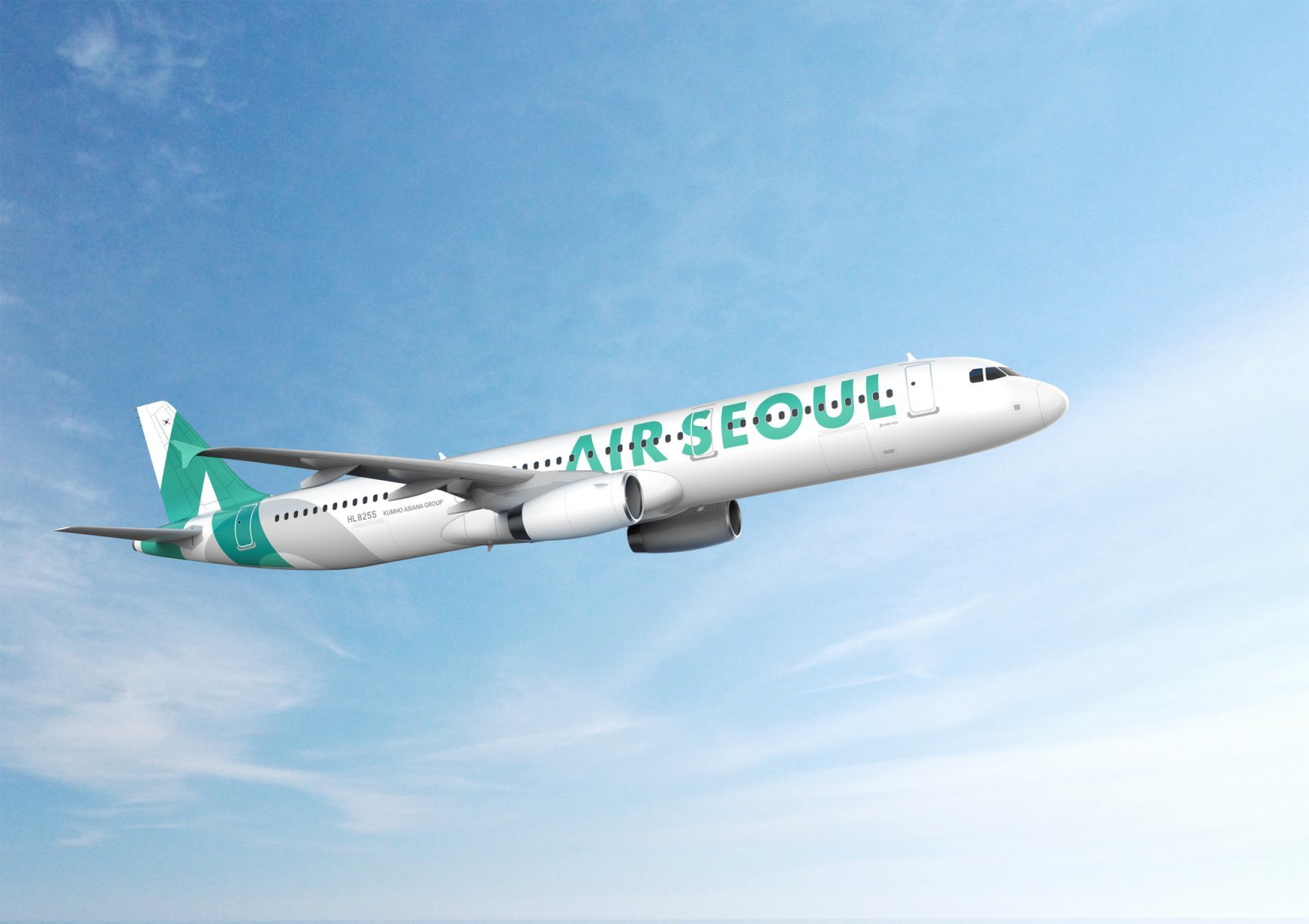
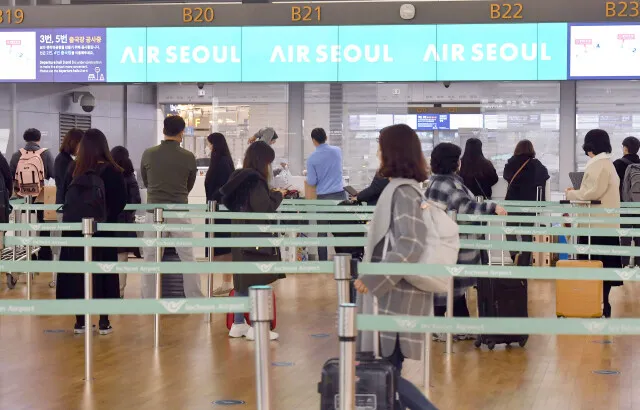
    As of September 25, 2026, officials say a power bank tucked inside a passenger's bag caught fire under a seat aboard an Air Seoul flight from Incheon to Da Nang, Vietnam, the night before, just moments before takeoff. Cabin crew extinguished the flames quickly and no one was hurt, but the flight was delayed nearly three hours after the airline swapped in a replacement aircraft.

    221 passengersPeople on board when the fire broke out
    170 minutesHow much the replacement flight's departure was delayed
    2 passengersPassengers who opted out of boarding the replacement plane

    Key points

    • The fire broke out the night of Sept. 24 as Air Seoul flight RS511 prepared to leave Incheon for Da Nang; investigators traced it to a power bank inside a pouch, inside a bag stowed under a seat.
    • Several passengers who breathed in the acrid smoke said they had trouble breathing, but none were taken to a hospital and no serious injuries were reported.
    • Air Seoul had all passengers deplane and swapped in a different aircraft, and in the process some passengers chose to skip the trip and rebook on a later flight instead.
    • The power bank reportedly already had anti-short-circuit precautions in place, yet still caught fire — authorities are now investigating exactly how it happened.

    On the night of Sept. 24, a fire broke out aboard an Air Seoul plane just before it was set to leave Incheon International Airport for Da Nang, Vietnam. Investigators say the blaze started in a power bank stashed inside a pouch, inside a bag a passenger had placed under their seat.

    Cabin crew jumped into action the moment they spotted the fire, and airport fire trucks rolled up to check on the situation and everyone's condition. A handful of passengers who'd inhaled the acrid smoke said they had trouble breathing, but none needed hospital treatment, and there were no serious injuries.

    There were 228 people on board at the time, counting passengers and crew, and many were reportedly families traveling to Da Nang together for the Chuseok holiday. As a precaution, Air Seoul had everyone deplane and brought in a different aircraft; some passengers opted out of the trip in the process, while the rest boarded the replacement plane.

    The power bank in question reportedly already had safeguards in place — its terminals taped over and stored in an insulated pouch — precautions meant to prevent exactly this kind of short circuit. Since it caught fire anyway, Air Seoul and fire officials are now digging into what exactly went wrong, and the airline says it will tighten its power bank safety procedures going forward.

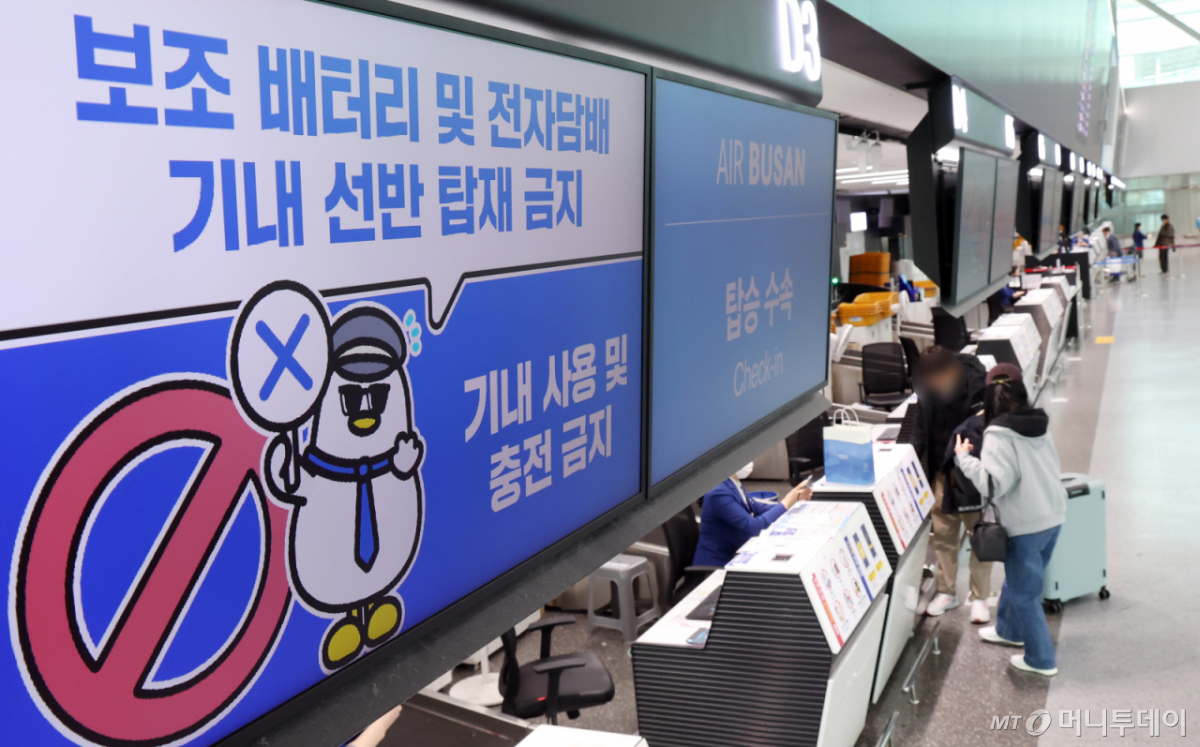
    Lithium-ion battery fires on planes are a familiar worry by now. Domestic carriers banned in-flight power bank use altogether earlier this year as rules kept getting stricter, but violations of carry-on battery rules still crop up regularly during big holiday travel rushes like Chuseok.

    In Korea right nowCommenters online said they were rattled that a fire like this could break out on a holiday getaway flight, and many asked how to safely pack power banks for carry-on. With Da Nang ranking as one of this Chuseok season's top destinations, the delay has drawn plenty of attention too.

    FAQ

    Why are power banks such a fire risk on planes?

    Lithium-ion batteries can go into thermal runaway — catching fire on their own — if a short circuit or physical damage causes their internal temperature to spike, which is why airlines ban them from checked bags and only allow them in carry-ons.

    How were passengers affected by this fire?

    Swapping in a whole new aircraft pushed the departure back nearly three hours, and some passengers had to rebook on a later flight.

    How should travelers pack power banks safely?

    Cover the terminals with tape or a cap, keep them in a separate pouch, carry them only in cabin luggage, and never bring a damaged or swollen unit onboard.

    📎 원문 보기 · Sources

    연합뉴스 · Sep 25, 2026이륙 예정 다낭행 에어서울 여객기서 불…보조배터리 발화 추정 | 연합뉴스Read the full story & photos at the source →
    동아일보 기사 이미지Power Bank Fire Delays Air Seoul’s Da Nang Flight동아일보 · Sep 25, 2026다낭행 에어서울 여객기 화재…보조배터리 불 붙었다Read the full story & photos at the source →
    한국경제 기사 이미지Power Bank Fire Delays Air Seoul’s Da Nang Flight한국경제 · Sep 25, 2026'인천→다낭' 에어서울 여객기서 불…'보조배터리' 나왔다Read the full story & photos at the source →
    한겨레 기사 이미지Power Bank Fire Delays Air Seoul’s Da Nang Flight한겨레 · Sep 25, 2026인천발 다낭행 에어서울 여객기 이륙 전 화재…보조배터리 원인 추정Read the full story & photos at the source →
    머니투데이 기사 이미지Power Bank Fire Delays Air Seoul’s Da Nang Flight머니투데이 · Sep 25, 2026다낭행 '에어서울' 이륙직전 기내 불..."보조배터리 발화 추정" - 머니투데이Read the full story & photos at the source →