As of September 22, 2026, Jjayang, South Korea's most-subscribed mukbang (eating-show) YouTuber with 13.5 million followers, said in a recent video that she'll become a "moderate eater" going forward. Yet the same video showed her polishing off multiple street-food dishes just as she always has. Her comment comes as YouTube tightens ad-revenue restrictions on binge-eating and disordered-eating content.
Key points
- In a video posted September 21, Jjayang said she'd become a 'moderate eater' — but went on to finish several dishes back to back, as usual.
- YouTube has tightened its guidelines to restrict ad revenue on content containing signals that could mimic disordered eating.
- Mukbang YouTubers with hundreds of thousands of subscribers are already losing monetization or deleting old videos.
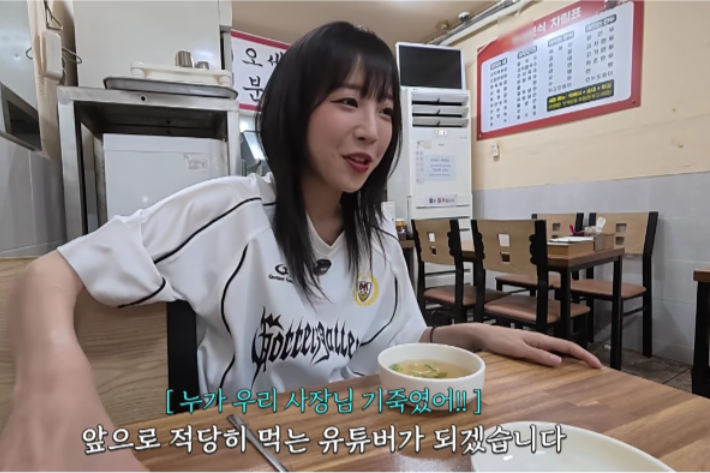
Jjayang, South Korea's most-subscribed mukbang (eating-show) YouTuber, posted a video on September 21 filming at a traditional market in Incheon. While picking out street-food dishes, she said, "eating a lot isn't really the trend anymore," and that she planned to shift toward eating in moderation. But the rest of the video showed her working through servings of dakgangjeong (sweet fried chicken), tteokbokki (spicy rice cakes) and fried snacks one after another — a mukbang session that looked much like any other.
The comment landed amid a broader tightening of YouTube's ad policy. The platform now classifies eating disorders as a "sensitive issue" and restricts ad revenue on videos that show extreme thinness, disclose lowest body weights, reference binge eating or hoarding food, or promote workouts aimed at extreme calorie restriction. The review reportedly applies retroactively to previously uploaded videos, not just new ones.
The fallout is already visible. One diet-focused channel operator with hundreds of thousands of subscribers said they stopped uploading entirely, unsure which videos might trigger penalties, and that monetization on the channel has since been cut off. Another creator said they deleted more than half of the videos they'd built up over nearly four years, explaining that the standard for review wasn't their original intent — documenting their recovery from severe obesity — but how teenagers or other high-risk viewers might interpret the content.
Industry watchers say the crackdown could eventually reach top-tier mukbang creators like Jjayang, or another major channel known for record-setting jjajangmyeon (black bean noodle) binges. Many of these creators parlayed their YouTube fame into appearances on terrestrial and cable variety shows, raising concern that the fallout could extend well beyond YouTube into broadcast content.
FAQ
Who is Jjayang?
She started livestreaming in 2018 and has grown into South Korea's most-subscribed mukbang YouTuber, with 13.5 million subscribers.
What exactly does YouTube's new policy restrict?
It cuts off ad revenue for videos containing signals that could encourage or be imitated as disordered eating — binge eating, extreme diets, or disclosing very low body weights, among others.
How could this affect Korea's content industry?
Many creators used mukbang as a springboard into broadcast television, so if their monetization is disrupted, the impact could extend beyond YouTube into terrestrial and cable variety production.
More from Korea today
📎 원문 보기 · Sources

한국경제 · Sep 22, 2026"앞으로 적당히 먹겠습니다"…쯔양 '깜짝 선언'하더니 반전Read the full story & photos at the source →
노컷뉴스 · Sep 22, 2026쯔양 "적당히 먹겠다"…유튜브, '먹방' 콘텐츠 규제 강화Read the full story & photos at the source →




 뉴시스 · Sep 21, 2026쯔양·히밥 어쩌나 "유튜브, 폭식 영상에 규제…수익 창출 중단"Read the full story & photos at the source →
Leave a Reply