
As of September 26, 2026, South Korea is making its first-ever bid for a seat on the International Court of Justice (ICJ) in the November 3 election. Its candidate, Paik Jin-hyun, a former president of the International Tribunal for the Law of the Sea (ITLOS), is running against candidates from Jordan and Singapore for a seat expected to go to Asia.
Key points
- Paik Jin-hyun, a former ITLOS president, is the first South Korean ever to run for an ICJ judgeship.
- The election will fill five seats whose terms are expiring, with candidates from eight countries in the running.
- Under the informal regional balance convention, South Korea, Jordan, and Singapore are competing for the single seat expected to go to Asia.
- South Korea only joined the UN in 1991, which is part of why this marks its first run at the ICJ.
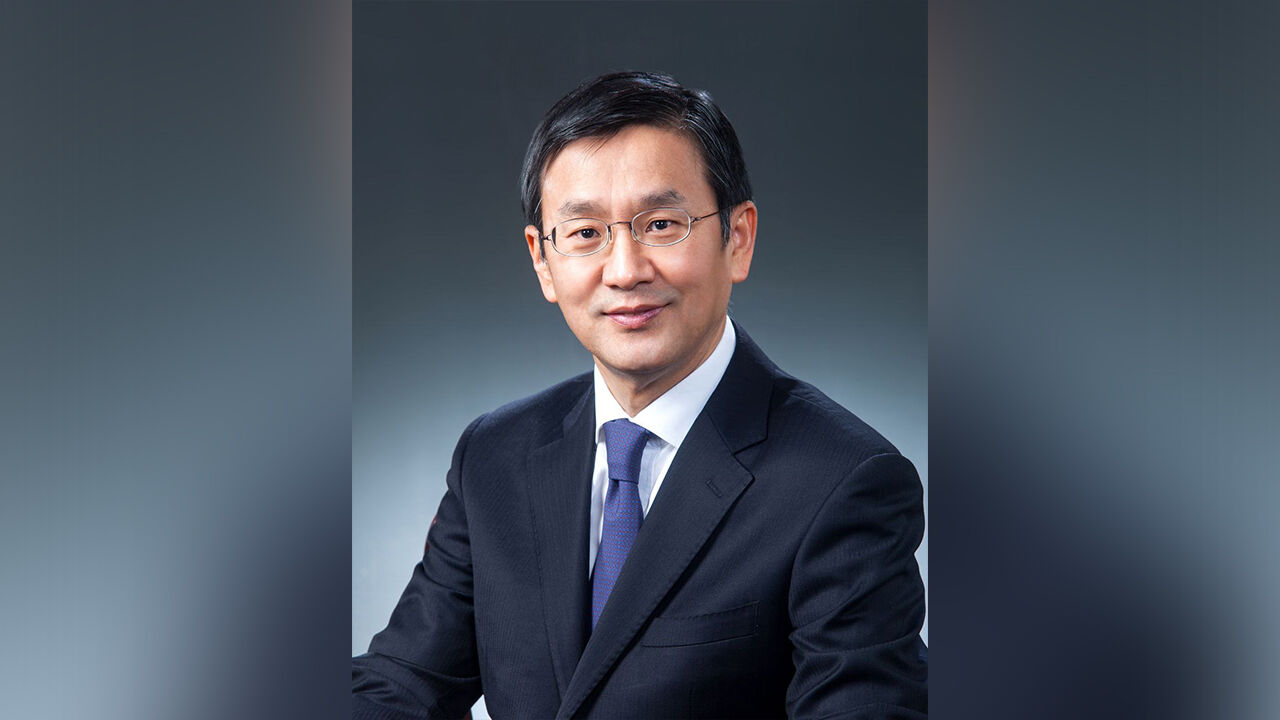
South Korea is making its first-ever run at a judgeship on the International Court of Justice, or ICJ. The Ministry of Foreign Affairs announced on the 26th that it has put forward Paik Jin-hyun, a former president of the International Tribunal for the Law of the Sea (ITLOS), as its candidate. Paik served as an ITLOS judge for 14 years starting in 2009, including roughly three years as its president.
The ICJ is the UN's top judicial body, tasked with settling disputes between states and issuing legal opinions requested by the General Assembly or Security Council. That's distinct from ITLOS, which handles maritime law disputes, or the International Criminal Court, which prosecutes individuals for war crimes and genocide. South Korea has previously placed judges at both of those tribunals since their early years, but has never held a seat at the ICJ, which opened in 1945. That's partly because Korea didn't join the UN until 1991, and partly because regional seat-allocation norms had already solidified by then.
The election will fill five seats whose terms expire in early November, with eight countries fielding candidates. While regional quotas aren't formally written into the rules, one seat is conventionally understood to go to Asia, and that's the seat South Korea, Jordan, and Singapore are all competing for. It has historically gone to candidates from South Asia, the Middle East, or Southeast Asia.
The competition is stiff. Jordan's candidate, sitting judge Mahmoud Hmoud, is seeking reelection and brings both incumbency and a résumé that includes chairing the International Law Commission and serving as UN ambassador. Singapore has nominated Rena Lee, its ambassador for international law, who spent about five years leading negotiations on marine biodiversity beyond national jurisdiction and built international visibility in the process. Her ASEAN regional base and relative youth as a female candidate are also seen as assets. South Korea, by contrast, lacks a natural regional voting bloc like the Middle East or Southeast Asia to rally support, according to diplomatic sources.
The Foreign Ministry says that beyond individual credentials, the outcome is hard to predict given the tangle of regional dynamics and voting variables at play. Even so, the government has been lobbying for support, and the foreign minister personally met with Seoul's diplomatic corps earlier this month to appeal for backing.
FAQ
How does the ICJ judge election work?
The UN General Assembly and Security Council vote independently, and a candidate needs a majority in both to win; this year's vote is set for November 3.
Why hasn't South Korea reached the ICJ before?
Korea joined the UN late, in 1991, and by then regional seat-allocation conventions had already limited openings.
When will the results be known?
Voting happens in the UN General Assembly and Security Council on November 3, with a winner determined that day or through additional rounds of voting afterward.
More from Korea today
Lee Jae-myung, Wife Join K-Pop Fans in Mexico City →Chuseok Return Traffic Peaks; Busan-Seoul Takes 7 Hrs →
📎 원문 보기 · Sources
SBS 뉴스 · Sep 26, 2026첫 ICJ 재판관 도전하는 한국…'아시아 1석' 놓고 3파전Read the full story & photos at the source →
Leave a Reply