As of October 6, 2026, the film Assassin(s) held its No. 1 spot at the Korean box office, drawing about 590,000 viewers over the four-day National Foundation Day holiday. Its total stands at about 2.41 million after two weeks in theaters, and the political fight over claims of historical distortion hasn't dented demand.
Key points
- According to the Korean Film Council's box office system, about 590,000 people saw the film nationwide from October 2 to 5, bringing its total to about 2.41 million.
- The film opened September 23 and has topped the weekend box office two weekends in a row.
- Some lawmakers from the People's Power Party, the main conservative opposition party, say the film distorts history and are demanding that it be pulled from theaters and withdrawn from overseas festivals.
- On October 4, about 50 members of conservative groups rallied outside the home of cast member Yoo Hae-jin, and his agency said it may take legal action.
According to the Korean Film Council's box office system, Assassin(s) pulled in about 590,000 viewers nationwide from October 2 to 5. After topping the Chuseok (Korean harvest holiday) period, it was the most-watched film over National Foundation Day weekend, too. Since opening on September 23, its total has reached about 2.41 million.
Midway through its second week, the film briefly lost the top spot: one day to a new live-action release and two days to a new Japanese animated film. It took the lead back on Sunday, October 4, and Monday, October 5, a substitute holiday. On both days it had fewer screenings than the rival anime and still came out on top. Its seat sales rate, the share of available seats actually sold, hit 37.6%, the highest of any film in theaters.
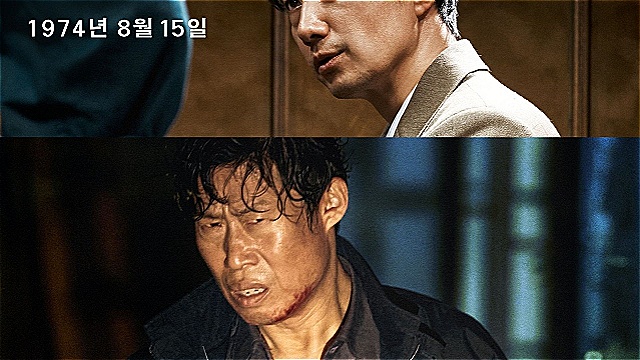
The film is based on the 1974 shooting of First Lady Yuk Young-soo at the Liberation Day ceremony on August 15. As it digs into the questions surrounding that event, some People's Power Party lawmakers have called it historical distortion. They argue it portrays former President Park Chung-hee as the man behind the attack and could amount to defaming the dead. Other demands include summoning the director to a National Assembly audit, banning screenings and clawing back profits. The reports reviewed here include no official rebuttal from the filmmakers.
On Tuesday, 20 People's Power Party lawmakers from Daegu and North Gyeongsang Province issued a joint statement at the National Assembly urging that screenings stop. They also pointed to the Singapore International Film Festival, which opens October 21 and picked the film as its opening title, and called for that selection to be withdrawn. They also demanded an apology over a controversy involving the film's merchandise, plus a government probe into whether outside pressure shaped its production and financing. Their claim is that part of the money from a government-backed fund of funds went through an investment firm run by a figure tied to the Democratic Party. The People's Power Party is also reportedly preparing a letter to send to the festival.
The fight has spilled over onto the cast. On October 4, members of conservative groups rallied outside Yoo Hae-jin's home to criticize the production company and the actors. His agency said it takes the spread of false claims, malicious slander and invasions of privacy very seriously, and that it will collect evidence and take whatever action is possible. Meanwhile, Democratic Party lawmaker Seo Young-kyo and Gyeonggi Province Governor Choo Mi-ae each posted their impressions of the film on Facebook on October 5, in what read as defenses of it.
FAQ
What is Assassin(s) about?
It's a Korean film based on the 1974 shooting of First Lady Yuk Young-soo at the Liberation Day ceremony. Because of how it treats the questions surrounding the event, it has drawn accusations of historical distortion. The director is Hur Jin-ho.
Why did audiences grow despite the controversy?
SBS read it this way: as the fight dragged on, a mood of "I'll watch it and decide for myself" spread and turned into ticket sales. That's the media's analysis, though, not a survey of what motivated individual viewers.
What does the Singapore International Film Festival have to do with it?
The film was chosen as the opening title of the Singapore International Film Festival, which opens October 21, and People's Power Party lawmakers are demanding that its screening be withdrawn. The festival's response couldn't be confirmed in the reports reviewed.
More from Korea today
📎 원문 보기 · Sources
SBS 뉴스 · Oct 06, 2026"관객은 영화를 보고 말한다"…'암살자(들)', 개천절 연휴 59만 동원하며 1위Read the full story & photos at the source →


Leave a Reply