
As of September 30, 2026, the UN Command has concluded that a landmine blast in the western Demilitarized Zone (DMZ) involved a violation of the Korean War armistice. North Korea's Kim Yo Jong, a senior Workers' Party official, denied it the same day, calling it a South Korean setup and threatening retaliation if shots are fired.
Key points
- On Sept. 21, a mine exploded in the western DMZ and seriously injured three service members, including a battalion commander (lieutenant colonel).
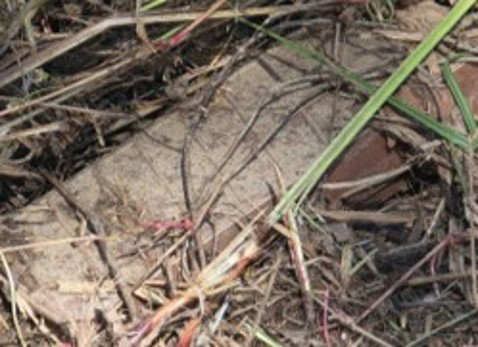
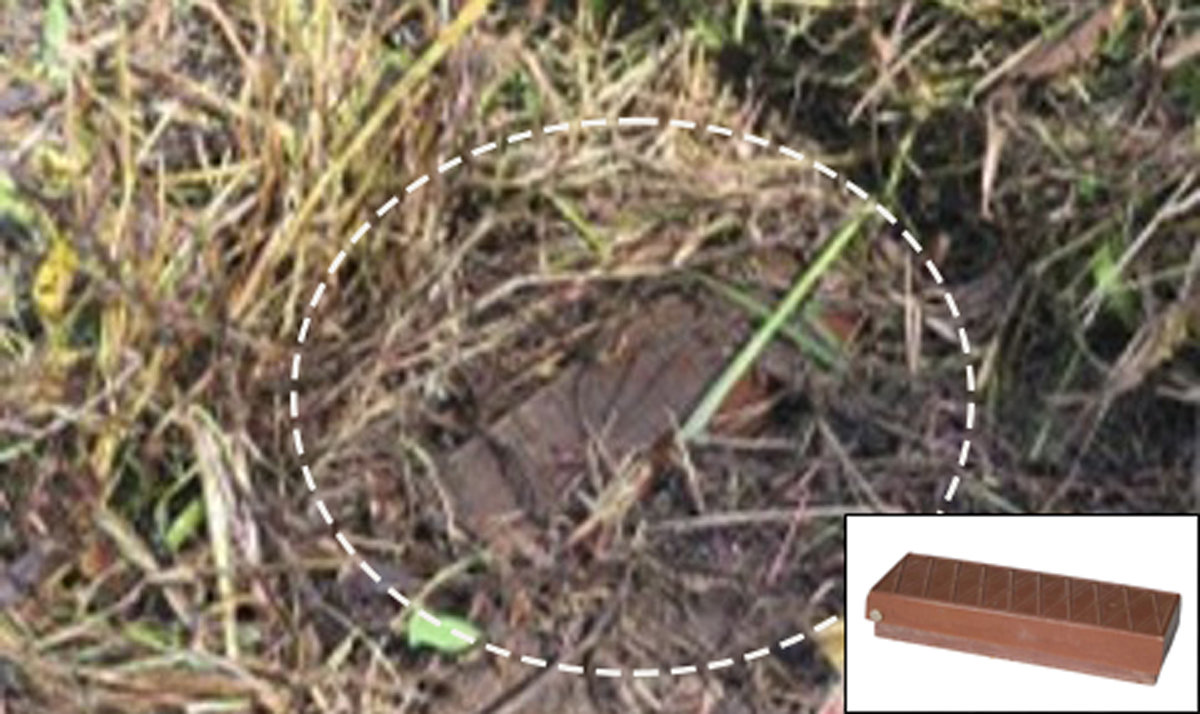
- The UN Command said it confirmed one functional North Korean anti-personnel mine south of the military demarcation line.
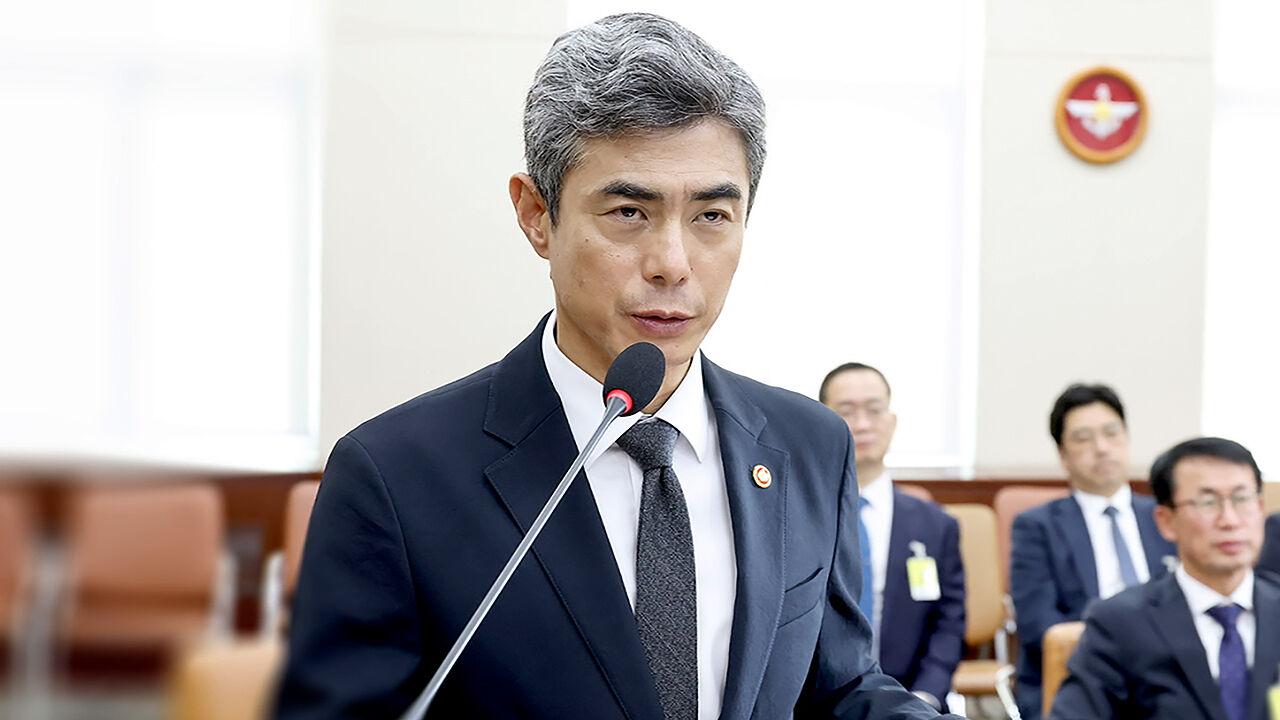
- South Korea's defense minister said North Korea is clearly responsible and promised phased countermeasures.
- Kim Yo Jong called the incident 'Seoul's staged farce' and said the North would step up its military response near the DMZ.
The incident happened on Sept. 21 in an area under the Army's 25th Division. Troops were clearing a search path ahead of a UN Command survey of an area suspected of holding North Korean mines. During the work, a blast seriously injured three people, including a battalion commander, with injuries that included amputated ankles.
The military and the UN Command then investigated the site jointly. On the 29th, another North Korean-made plastic anti-personnel mine turned up near the blast site. On the 30th, the UN Command said its findings showed an armistice violation had occurred and that it is responding under the armistice framework. South Korea's Joint Chiefs of Staff said the UN Command agreed that both blast sites and the newly found mine lie south of the military demarcation line. Defense Minister Kang Sin-chul stressed that North Korea bears responsibility and said Seoul will take phased steps using a range of tools, including cooperation with the international community and military responses. He did not spell out how.
Kim Yo Jong, sister of leader Kim Jong Un, dismissed the announcement, claiming the latest incident is a fabrication that mirrors the tactics of the wooden-box mine case from more than a decade ago. According to the North's account, no North Korean personnel crossed the border line, and since August South Korean forces have issued warning broadcasts and fired warning shots almost daily. She threatened swift retaliation if live fire occurs and said the North will add tactical response capabilities facing South Korea's 3rd Corps and 21st Division sector.
After the wooden-box mine incident on Aug. 4, 2015, the South Korean military announced within six days that North Korea was responsible and resumed loudspeaker broadcasts aimed at the North. Ten days later, North Korea fired artillery and tensions rose, but high-level talks at Panmunjom ended in an expression of regret from the North and an agreement to halt the broadcasts. How the military chooses its response this time, and how North Korea reacts, is seen as the key to keeping the situation under control.
FAQ
Where and when did the incident happen?
It happened on Sept. 21 in the western part of the DMZ. Three service members clearing a search path were seriously injured in the blast.
What did the UN Command conclude?
A joint investigation found a functional North Korean anti-personnel mine south of the military demarcation line. On that basis, the UN Command determined an armistice violation had occurred.
How has the South Korean government said it will respond?
The defense minister said North Korea's responsibility is clear and that countermeasures will come in phases. Cooperation with the international community and military responses were mentioned, but no details have been released.
More from Korea today
RM's Art Collection Makes Its Museum Debut at SFMOMA →Hyundai's Tucson Is First Korean SUV to Hit 10 Million →
📎 원문 보기 · Sources
SBS 뉴스 · Sep 30, 2026'DMZ 북한 지뢰' 군 발표에…김여정 "서울의 자작 광대극"Read the full story & photos at the source →





 조선일보 · Sep 30, 2026김민석 “DMZ 지뢰 폭발, 北 정전협정 위반…사과·시정해야”Read the full story & photos at the source →
동아일보 · Sep 30, 2026유엔사 “DMZ 北지뢰 폭발, 정전협정 위반 판단”Read the full story & photos at the source →
동아일보 · Sep 30, 2026[속보]유엔사 “DMZ 北지뢰 폭발, 정전협정 위반 판단”Read the full story & photos at the source →
Leave a Reply