Category: K-Travel

  • Justin Bieber Is Back in Seoul After 13 Years, Just in Time for a Popup

    Justin Bieber Is Back in Seoul After 13 Years, Just in Time for a Popup

    As of October 23, 2026, Canadian pop star Justin Bieber, 32, has arrived in Seoul with his wife, Hailey Bieber. It's his first known trip to Korea since his first concert there in 2013, and it lines up with the Seoul popup for his brand, SKYLRK.

    About 13 yearsGap between Bieber's Korea visits
    4 daysSeoul popup run (22nd–25th)
    4thWhere this sits among SKYLRK's physical stores

    Key points

    • Right after landing with Hailey, Bieber posted several photos on social media with the caption "Made it to Seoul."
    • His last Korea visit was for that first concert in 2013, and there's no record of a separate trip since.
    • The SKYLRK popup runs from the 22nd through the 25th in Seongsu-dong, with Seoul-exclusive merch on sale.
    • Whether Bieber will show up at the popup hasn't been officially confirmed. For now, it's just speculation.

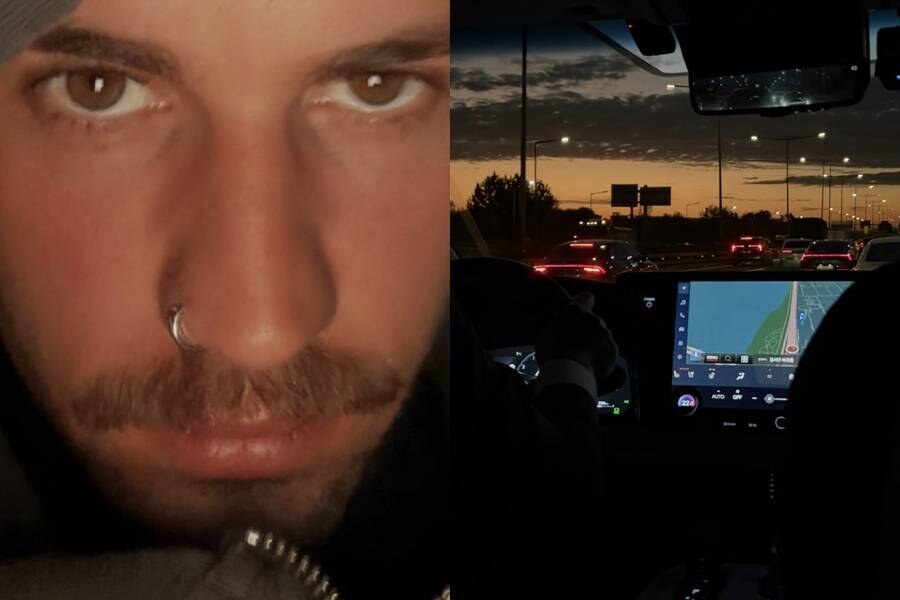
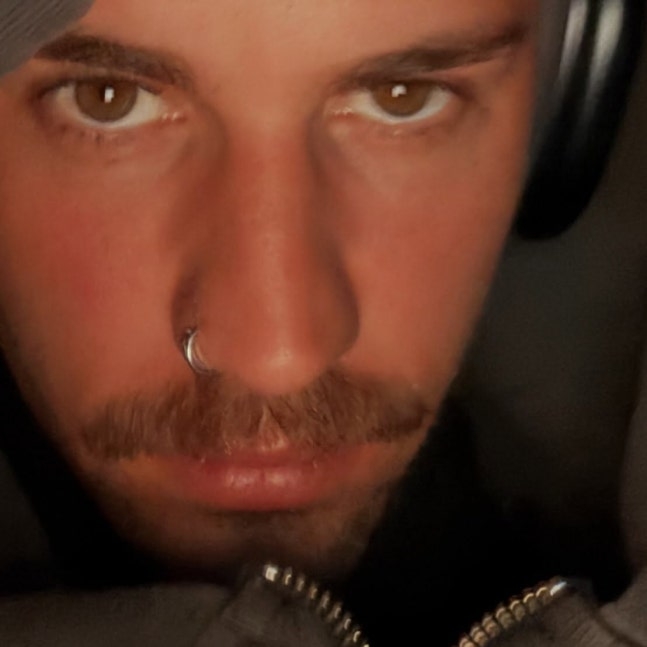
    Justin Bieber has officially hit Seoul. He and his wife, model Hailey Bieber, came through the airport arrivals hall, and he wasted no time opening his social media accounts. The post, captioned "Made it to Seoul," included a shot of the city skyline from a car window and a close-up selfie.

    This visit has been a long time coming. Bieber first came to Korea for his debut headlining show in 2013, and there's no record of a separate trip since. Fans have waited nearly 13 years, so news of his arrival quickly blew up online.

    The timing lines up with an event for SKYLRK, the fashion and lifestyle brand he launched last year. The Seoul popup opened on the 22nd and runs through the 25th in Seongsu-dong, a former factory district now known as Seoul's trendiest neighborhood. It's the brand's first physical event in Korea, with limited-edition items you can only get in Seoul. According to some reports, it's the fourth store after Tokyo, Indio in the US, and New York. On opening day, visitors reportedly lined up hours before the doors opened.

    Bieber married Hailey in 2018, and the couple welcomed their first son in 2024. Hailey is also the founder of the beauty brand Rhode. Media outlets have floated the idea that Bieber might drop by the popup in person, but no specific schedule has been announced.

    In Korea right nowKorean fans are freaking out over the surprise arrival. The Seongsu-dong popup drew a line before it even opened, and the big question now is whether Bieber will actually appear. Some see it as a sign of how far Seongsu-dong has come: a global star showing up for a brand event, not a concert, suggests the neighborhood has become a proving ground for international fashion labels.

    FAQ

    Why did Justin Bieber come to Korea this time?

    Reports say the trip lines up with the SKYLRK popup his brand is hosting in Seoul's Seongsu-dong. No concert dates have been announced.

    How long does the SKYLRK Seoul popup run?

    It opened on the 22nd and runs through the 25th in Seongsu-dong. It includes limited-edition items sold only in Seoul.

    Is this Bieber's first time in Korea?

    No. He played his first show there in 2013, and this is the first confirmed visit since then.

    📎 원문 보기 · Sources

    조선일보 기사 이미지Justin Bieber Is Back in Seoul After 13 Years, Just in Time for a Popup조선일보 · Oct 23, 2026저스틴 비버, "서울 왔어요" 아내와 13년만에 방한…한국 도로 풍경·셀카 기습 공개Read the full story & photos at the source →

    헤럴드경제 기사 이미지Justin Bieber Is Back in Seoul After 13 Years, Just in Time for a Popup헤럴드경제 · Oct 23, 2026“Made it to Seoul”…저스틴 비버, 13년 만에 아내 헤일리와 깜짝 내한Read the full story & photos at the source →
    SPOTV NEWS 기사 이미지Justin Bieber Is Back in Seoul After 13 Years, Just in Time for a PopupSPOTV NEWS · Oct 23, 2026저스틴 비버, ♥아내와 13년 만에 깜짝 내한…"서울 도착" 직접 인증Read the full story & photos at the source →
    문화일보 기사 이미지Justin Bieber Is Back in Seoul After 13 Years, Just in Time for a Popup문화일보 · Oct 23, 2026깜짝 내한한 저스틴 비버…“서울에 도착했다”Read the full story & photos at the source →
  • Korea Tops 17M Visitors in 9 Months; Spending Up 47.7%

    Korea Tops 17M Visitors in 9 Months; Spending Up 47.7%

    As of October 22, 2026, about 17.1 million foreign tourists have visited South Korea from January through September, according to the Ministry of Culture, Sports and Tourism. The ministry expects the total to pass last year's full-year figure before the end of this month.

    17.11 millionForeign visitors to Korea, January–September this year
    21.5%Growth in visitors versus the same period last year
    15.9 trillion wonForeign visitors' tourism-related card spending, January–September
    28.2%Share of all arrivals who came through airports and ports outside the Seoul metro area

    Key points

    • About 17.1 million foreign visitors came to Korea in January–September, roughly 3 million more than a year earlier, a 21.5% increase.
    • Foreign visitors' card spending on tourism-related purchases over the same period was about 15.9 trillion won, up 47.7%, more than double the growth rate in visitor numbers.
    • About 3.24 million foreign visitors arrived through airports outside the Seoul metro area, a 37.4% jump.

    According to tourism data the ministry released on Oct. 22, more than 3 million additional foreigners entered Korea through September compared with the same period last year. Last year's full-year total was about 18.94 million, and this year's running count has already passed 90% of that. With a gap of just over 1.8 million left, the ministry projects Korea will beat last year's annual record within October. September alone brought in about 2.06 million visitors, up 21.1% from a year earlier.

    By country, Greater China led the growth. Chinese visitors numbered about 5.47 million, up roughly 29%, while Taiwan sent about 1.86 million, up more than 30%. Add Hong Kong and the Greater China total comes close to 8 million. Japan contributed about 3.12 million, up 16.9%, and arrivals from the Americas rose 12.0% and from Europe 20.0%, so most regions are trending up.

    Spending jumped, too. Foreign visitors' card spending was about 15.9 trillion won, more than 5 trillion won above the same period last year. Visitor numbers rose by about a fifth while spending climbed nearly half, which suggests each traveler is spending more.

    Travelers are also fanning out beyond the capital. About 3.24 million foreigners, around 19% of the total, arrived through airports outside the Seoul metro area, including Gimhae, Jeju, Cheongju and Daegu. Another 1.58 million or so came through seaports such as Busan and Yeosu, bringing the airport and port total to about 4.82 million. One caveat: these figures track where people entered the country, so they may not match where visitors actually stayed or spent money.

    In Korea right nowThe tourism ministry credited the results to a mix of efforts, including wider awareness, easier travel and stronger content. Kang Jeong-won, head of the ministry's tourism policy bureau, said there will be a press briefing soon to walk through this year's results and next year's policy direction. In Korea, the next thing to watch is whether the spending boom and the spread beyond Seoul actually show up in local economies, not just in visitor counts.

    FAQ

    Has Korea already passed last year's total visitor count?

    Not yet. The January–September total is about 90% of last year's full-year figure, and the ministry expects it to be passed in October.

    Which country sent the most tourists?

    China, with about 5.47 million visitors, followed by Japan at about 3.12 million and Taiwan at about 1.86 million.

    Are more visitors going beyond Seoul?

    Arrivals through airports outside the Seoul metro area rose 37.4%, faster than the overall growth rate. But the data tracks entry points, so it may not reflect where visitors actually stayed.

    📎 원문 보기 · Sources

    머니투데이 기사 이미지Korea Tops 17M Visitors in 9 Months; Spending Up 47.7%머니투데이 · Oct 22, 20269월 누적 외국인 관광객, 1700만명 돌파…중국인만 547만명 왔다 - 머니투데이Read the full story & photos at the source →
    동아일보 기사 이미지Korea Tops 17M Visitors in 9 Months; Spending Up 47.7%동아일보 · Oct 22, 2026작년보다 5.1조 더 썼다…올해 외국인 관광객 1700만 명 돌파Read the full story & photos at the source →
  • Jeju Air Adds Busan–Manila Route, Five Flights a Week

    Jeju Air Adds Busan–Manila Route, Five Flights a Week

    As of October 13, 2026, Jeju Air will launch five weekly flights between Busan (Gimhae) and Manila, the Philippines, starting December 17, operating Monday, Tuesday, Thursday, Friday and Saturday. The new route brings the carrier's international routes from Busan to 15, up from 14.

    15Jeju Air international routes from Busan after Manila launches
    5x a weekBusan–Manila flight frequency
    About 1.29 millionJeju Air international passengers from Busan, Q1-Q3 this year
    13%Year-over-year growth in international passengers from Busan

    Key points

    • The new route runs Monday, Tuesday, Thursday, Friday and Saturday starting December 17.
    • The outbound flight leaves Gimhae Airport at night and lands in Manila after midnight, while the return leaves in the early morning and arrives in Gimhae by morning.
    • Members can get discount codes worth up to about half off, plus partner discounts on Philippine travel products, through October 25.
    • Through Q3 this year, Jeju Air carried about 1.29 million passengers on international flights from Busan, per South Korea's transport ministry.

    Jeju Air, one of South Korea's biggest low-cost carriers, is opening a new nonstop route between Busan and Manila. The first flight is December 17, and the route will run five times a week: Monday, Tuesday, Thursday, Friday and Saturday. The airline announced the plan on Oct. 13.

    Here's the schedule. The outbound flight leaves Busan's Gimhae Airport at 9:30 p.m. and lands at Manila's Ninoy Aquino International Airport at 12:45 a.m., after midnight. The return leaves Manila at 1:45 a.m. and touches down in Gimhae at 7:20 a.m. the same day. All times are local to each airport.

    To mark the launch, Jeju Air is running promotions. Through Oct. 25, members can use discount codes worth up to about half off, and the airline is also offering partner discounts on Philippine hotel and tour packages.

    Busan's growing travel market is behind the expansion. According to the transport ministry's aviation data portal, Jeju Air carried about 1.29 million passengers on international flights from Busan through the third quarter of this year, up 13% from a year earlier. The airline currently flies 14 international routes from Busan to Mongolia, Japan, Greater China and Southeast Asia. Manila will make it 15.

    Manila is a leading Philippine destination, known for Intramuros, the walled city from the Spanish colonial era. The airline also pointed to steady demand for big shopping malls, day trips to nearby islands and waterfalls, and golf trips. A Jeju Air representative said Busan is so popular with foreign tourists that a new slang term, "Busan-byeong" (roughly, "Busan fever"), has popped up, and expects more nonstop routes to bring more visitors to Korea too. The airline added that it will keep developing routes based on regional travel demand.

    In Korea right nowBusan has seen a surge of visitors lately, including from Taiwan, and airlines keep adding flights there. Jeju Air also reworked its Japan routes from Incheon around the same time. Hakodate flights resume Dec. 1 and Kagoshima flights resume Oct. 25, both daily. The airline also said it secured additional China route rights, a sign that competition among low-cost carriers this winter is heating up.

    FAQ

    Which days does the Busan–Manila route operate?

    Starting December 17, it flies five times a week: Monday, Tuesday, Thursday, Friday and Saturday. There are no flights on Wednesday or Sunday.

    How long is the launch discount available?

    Through October 25. Jeju Air members can use discount codes worth up to about half off, and partner discounts on Philippine hotel and tour packages are also offered.

    Why is Jeju Air adding more flights from Busan?

    International passengers from Busan hit about 1.29 million through Q3 this year, up 13% from a year earlier, and more foreign tourists are visiting Busan. The airline expects nonstop route growth to boost inbound travel to Korea as well.

    📎 원문 보기 · Sources

    연합뉴스 · Oct 13, 2026제주항공, 12월 부산∼마닐라 신규 취항…주5회 운항 | 연합뉴스Read the full story & photos at the source →
    한국경제 기사 이미지Jeju Air Adds Busan–Manila Route, Five Flights a Week한국경제 · Oct 13, 2026제주항공, 15번째 부산발 국제선 띄운다…부산~마닐라 주 5회 운항Read the full story & photos at the source →
  • Seoul Tops Condé Nast Readers’ Poll for Best Big City

    Seoul Tops Condé Nast Readers’ Poll for Best Big City

    As of October 9, 2026, Seoul is the No. 1 big city in the world, according to readers of Condé Nast Traveler, the first time it has topped the magazine's large-city category. Seoul jumped four spots from fifth place last year, bumping Tokyo, the two-time defending champ, down to second.

    39thEdition of the Readers' Choice Awards
    ~800,000Reader votes cast across all award categories
    11.56 millionForeign visitors to Seoul, January-August
    +21.6%Increase in foreign visitors vs. the same period last year

    Key points

    • Seoul took the top spot in the large-city category of this year's Readers' Choice Awards, released October 6 U.S. time.
    • Tokyo finished second, Paris seventh and Singapore ninth.
    • Seoul also placed third in the U.K. edition of Condé Nast Traveler's ranking of the friendliest cities.
    • Foreign visitors to Seoul hit a record of roughly 11.56 million from January through August this year.

    The Seoul city government shared the news on Oct. 8. In Condé Nast Traveler's reader poll, announced October 6 U.S. time, Seoul landed at the top of the large-city category. It's the first time Seoul has won this category. Last year, it came in fifth.

    Tokyo sits just one notch behind in second place. The Japanese capital had won two years running, in 2024 and 2025. Third through fifth place went to Cambodia's capital, Shanghai and Sydney, in that order. Paris came in seventh and Singapore ninth.

    Now in its 39th year, the awards are decided entirely by reader votes. Counting cities along with hotels, resorts, airlines and other categories, nearly 800,000 votes came in. Condé Nast Traveler launched in 1987 and belongs to the media group behind Vogue and The New Yorker.

    In a September 2025 piece on Seoul, the magazine said global fascination with K-pop, K-beauty and K-dramas has turned the city into a hot travel destination. It also pointed to more than 2,000 years of history and culture underneath. Old traditions and cutting-edge tech, budget-friendly travel and luxury splurges all live side by side, the magazine said, with plenty of options in beauty, wellness, art and food.

    Other outlets have been showering Seoul with praise too. In the U.K. edition of Condé Nast Traveler's friendliest cities ranking, Seoul came in third. The small everyday kindnesses stick with travelers, the magazine noted, like restaurant owners walking guests through a dish or locals pointing the way on the subway. Last month, Britain's Time Out named Jongno 3-ga, a historic downtown neighborhood, the coolest neighborhood of the year. And on Trazy Travel's global ranking of favorite cities among MZ travelers (millennials and Gen Z), Seoul has ranked No. 1 for five straight years.

    In Korea right nowCity officials read the result as proof that Seoul's signature assets, like hanok (traditional Korean houses), narrow alleys and historic sites, are translating into real experiences for visitors. Mayor Oh Se-hoon said the city will keep its traditional charm intact while adding fresh energy, aiming to be a destination people stay in longer and come back to. Plans include more traditional culture experiences, nighttime programs and activities built around the Han River and downtown green spaces, all meant to extend stays and boost return visits. The tourism numbers back it up. Foreign visitors from January through August are well above last year's roughly 9.5 million for the same period, and their card spending jumped about 60%, from around 4.9 trillion won to around 7.8 trillion won.

    FAQ

    How was Seoul's No. 1 ranking decided?

    It's based on votes from Condé Nast Traveler readers, not a panel of experts. This is the 39th edition of the Readers' Choice Awards, and nearly 800,000 votes were counted across all categories.

    Is this the first time Seoul has topped the large-city category?

    Yes. According to the Seoul city government, this is Seoul's first win in the category. It placed fifth last year, and Tokyo took first place in the two years before that.

    What can travelers expect in Seoul?

    The magazine highlighted historic spots like palaces and hanok, cutting-edge technology, beauty and wellness, food and art. Everyday kindness from locals also earned high marks.

    📎 원문 보기 · Sources

    매일경제 기사 이미지Seoul Tops Condé Nast Readers’ Poll for Best Big City매일경제 · Oct 09, 2026“김구 선생님 보고 계십니까?”…서울, 도쿄 제치고 ‘세계최고 대도시’ 선정 - 매일경제Read the full story & photos at the source →

    아시아경제 기사 이미지Seoul Tops Condé Nast Readers’ Poll for Best Big City아시아경제 · Oct 08, 2026"이건 서울에서만 가능" 외국인들 극찬하더니…일본 도쿄 제치고 '세계 최고 대도시'Read the full story & photos at the source →
    국민일보 기사 이미지Seoul Tops Condé Nast Readers’ Poll for Best Big City국민일보 · Oct 09, 2026도쿄 제친 서울… ‘세계 최고 대도시’ 1위Read the full story & photos at the source →
    머니투데이 기사 이미지Seoul Tops Condé Nast Readers’ Poll for Best Big City머니투데이 · Oct 08, 2026日 도쿄 꺾고 서울 '1위'…美 여행지 독자 선정 세계 '최고' 대도시 등극 - 머니투데이Read the full story & photos at the source →

  • Seoul Beats Tokyo as World’s Best Big City

    Seoul Beats Tokyo as World’s Best Big City

    As of October 8, 2026, Seoul has topped Condé Nast Traveler's Readers' Choice Awards for best big city in the world for the first time. Tokyo, which held the top spot the previous two years, slid to No. 2, while Seoul climbed four places from last year.

    No. 1Seoul's rank in Condé Nast Traveler's big city category this year
    4 spotsJump from last year's fifth-place finish
    ~800,000 votesTotal votes counted across all categories of this year's awards
    5 years runningTimes Seoul was named a top city for global Millennials and Gen Z by Trazy Travel

    Key points

    • Seoul took first place in the big city category of Condé Nast Traveler's Readers' Choice Awards, released October 6 local time.
    • Seoul ranked fifth the year before, and Tokyo dropped to second.
    • Seoul also placed third in the UK edition of Condé Nast Traveler's 'friendliest cities' ranking.
    • The Seoul city government plans to expand tourism built around hanok (traditional Korean houses), back alleys and nighttime programs.

    Seoul's city government announced the result on October 8. Condé Nast Traveler released this year's Readers' Choice Awards rankings on October 6 local time, and Seoul landed at the top of the big city category. It was fifth the year before, so the city vaulted four places in a single year.

    Tokyo came in second, followed by Phnom Penh, Shanghai and Sydney. Now in its 39th year, the awards are decided by reader votes, and about 800,000 ballots were cast across every category, from cities to hotels and resorts.

    What the magazine highlighted about Seoul is its range. Beyond the pull of the Korean Wave, with K-pop, K-beauty and K-dramas, it pointed to a city where more than 2,000 years of history sits right next to cutting-edge technology. Beauty, wellness, art and food are all on the menu, the magazine said, and budgets can run from shoestring to luxury.

    Other international outlets have been singing Seoul's praises too. The UK edition of Condé Nast Traveler ranked the city third in its 'friendliest cities' list this year. In September, Time Out named Jongno 3-ga the world's 'coolest neighborhood,' citing the hanok of Ikseon-dong, long-running restaurants, and the workshops and indie shops on Seosunra-gil, which runs along the stone wall of Jongmyo Shrine. And in a survey released in August, the US outlet Trazy Travel named Seoul a top city for global Millennials and Gen Z (known in Korea as 'MZ') for the fifth year in a row.

    In Korea right nowThe city government read the result as recognition of Seoul's signature assets: hanok, historic spaces and neighborhood alleys. It plans to build on that with more content around markets, food and culture venues, traditional culture experiences, nighttime programs, and the Han River and downtown green spaces, aiming to get visitors to stay longer and come back. Mayor Oh Se-hoon said the world had recognized the mix of history, the Korean Wave and everyday life in Seoul's alleys, and vowed to build a destination people want to linger in.

    FAQ

    What are the Readers' Choice Awards?

    They are Condé Nast Traveler's annual awards, in which readers vote for the best cities, hotels, resorts and more. This year was the 39th edition, and about 800,000 votes were counted across all categories.

    Why did Seoul score so well?

    The magazine pointed to the mix of K-culture's popularity, more than 2,000 years of history and cutting-edge technology. It also cited the wealth of beauty, wellness, art and food experiences and the wide range of budgets.

    Does Seoul rank high in other international rankings?

    Yes. The city placed third in the UK edition of Condé Nast Traveler's 'friendliest cities' list, and Time Out ranked Jongno 3-ga first on its 'coolest neighborhood' list.

    📎 원문 보기 · Sources

    동아일보 기사 이미지Seoul Beats Tokyo as World’s Best Big City동아일보 · Oct 08, 2026서울, 도쿄 제치고 ‘세계 최고 대도시’ 첫 1위…5년째 ‘MZ 최애’Read the full story & photos at the source →
    한겨레 기사 이미지Seoul Beats Tokyo as World’s Best Big City한겨레 · Oct 08, 2026서울, 도쿄 제치고 ‘세계 최고 대도시’ 첫 1위…미 여행전문지 독자들 선정Read the full story & photos at the source →

  • Seoul Foreign Tourists Up 21.6%, Card Spending Up 59.9%

    Seoul Foreign Tourists Up 21.6%, Card Spending Up 59.9%

    As of October 6, 2026, Seoul city data shows about 11.6 million foreign tourists visited the city from January through August, up 21.6% from a year earlier. Their card spending jumped 59.9% to about 7.8 trillion won (roughly $5.6 billion), nearly matching last year's full-year total.

    About 11.6 millionForeign visitors to Seoul, January-August
    59.9%Growth in foreign card spending, January-August
    66.4%Combined share of China, Japan and Taiwan among August visitors
    240.1%Growth in foreign card spending near Dosan Park

    Key points

    • About 11.6 million foreign visitors came to Seoul from January to August, up 21.6% from the same period last year.
    • About 1.72 million visited in August alone, and China, Japan and Taiwan together made up 66.4% of them.
    • Foreign card spending from January to August rose 59.9%, close to last year's full-year total.
    • Spending jumped not only in Seongsu and Myeong-dong but also in neighborhood shopping districts and traditional markets, including the area near Dosan Park and Gwangjang Market.

    In tourism figures released Tuesday, the Seoul Metropolitan Government said about 11.6 million foreigners visited the city from January to August. That's up 21.6% from about 9.5 million in the same period last year, and the city called it the highest figure on record. August alone brought about 1.72 million visitors, 23.3% more than the roughly 1.4 million of August last year.

    By nationality, China, Japan and Taiwan accounted for 66.4% of August's foreign visitors, about two-thirds of the total. China led at 36.9%, followed by Japan at 18.6% and Taiwan at 10.9%. In headcount terms, that's roughly 640,000 from China, 320,000 from Japan and 190,000 from Taiwan.

    Spending grew even faster than visitor numbers. Foreign card spending from January to August came to about 7.8 trillion won, up 59.9% from about 4.9 trillion won a year earlier. Last year's full-year total was about 7.9 trillion won, so visitors have spent nearly a full year's worth in just eight months.

    By category, shopping made up the biggest share last year at 46.6%, followed by medical and wellness tourism. This year, spending at large shopping malls led the growth, up 77.5%, while medical tourism and general dining both rose by around 60%. The map of where visitors spend has widened too. Foreign spending in the Seongsu area more than doubled from a year earlier (up 103.7%), and Myeong-dong rose 74.7%. The area near Dosan Park saw an especially big jump of 240.1%, and Gwangjang Market was up 127.4%.

    Cho Seong-ho, director of the city's Tourism and Sports Bureau, said record visitor numbers and fast-growing tourism spending are boosting the economic impact. The city plans to build on its nighttime economy by linking after-dark content with local shopping districts, so visitors stay longer and spending spreads across Seoul. Detailed statistics are available on the Seoul Data Hub website.

    In Korea right nowIn Korea, the attention is less on how many tourists came than on where their money is going. The key takeaway from the data is that foreign spending has spread beyond shopping malls and traditional hubs like Myeong-dong to Seongsu, the Dosan Park area and traditional markets. The city says it will carry that momentum into policies linking the nighttime economy with neighborhood shopping districts.

    FAQ

    How much did the number of foreign visitors to Seoul grow this year?

    About 11.6 million came from January to August, up 21.6% from the same period last year. August alone saw about 1.72 million visitors, a 23.3% increase.

    Which country sent the most tourists?

    China led in August at 36.9% of the total, followed by Japan at 18.6% and Taiwan at 10.9%. Together the three made up 66.4%.

    Where did foreign tourists spend their money?

    Shopping made up the biggest share last year. This year, spending at large malls rose sharply, and neighborhood shopping districts and traditional markets, including Seongsu, Myeong-dong, the area near Dosan Park and Gwangjang Market, also posted big gains.

    📎 원문 보기 · Sources

    조선일보 기사 이미지Seoul Foreign Tourists Up 21.6%, Card Spending Up 59.9%조선일보 · Oct 06, 2026외국인 관광객 22% 늘자 소비는 60% 급증… 8개월 만에 1년치 긁었다Read the full story & photos at the source →
    Seoul Foreign Tourists Up 21.6%, Card Spending Up 59.9%뉴스1 · Oct 06, 2026외국인 21% 늘 때 카드값 60% 껑충…서울서 8개월간 7.8조 긁었다Read the full story & photos at the source →
    SBS 뉴스 기사 이미지Seoul Foreign Tourists Up 21.6%, Card Spending Up 59.9%SBS 뉴스 · Oct 06, 2026서울 방문 외국인, 작년보다 22% 증가…카드 소비는 60%↑Read the full story & photos at the source →
    디지털데일리 기사 이미지Seoul Foreign Tourists Up 21.6%, Card Spending Up 59.9%디지털데일리서울 방문 외국인 관광객 역대최고치…카드 소비액 60%↑Read the full story & photos at the source →

  • DMZ Mine Blast: UN Command Cites Armistice Breach

    DMZ Mine Blast: UN Command Cites Armistice Breach

    As of September 30, 2026, the UN Command has concluded that a landmine blast in the western Demilitarized Zone (DMZ) involved a violation of the Korean War armistice. North Korea's Kim Yo Jong, a senior Workers' Party official, denied it the same day, calling it a South Korean setup and threatening retaliation if shots are fired.

    3Service members seriously injured in the Sept. 21 blast
    At least 4North Korean mines believed to have been at the site
    11 yearsHow long loudspeaker broadcasts aimed at the North stayed off after the 2015 incident

    Key points

    • On Sept. 21, a mine exploded in the western DMZ and seriously injured three service members, including a battalion commander (lieutenant colonel).
    • The UN Command said it confirmed one functional North Korean anti-personnel mine south of the military demarcation line.
    • South Korea's defense minister said North Korea is clearly responsible and promised phased countermeasures.
    • Kim Yo Jong called the incident 'Seoul's staged farce' and said the North would step up its military response near the DMZ.

    The incident happened on Sept. 21 in an area under the Army's 25th Division. Troops were clearing a search path ahead of a UN Command survey of an area suspected of holding North Korean mines. During the work, a blast seriously injured three people, including a battalion commander, with injuries that included amputated ankles.

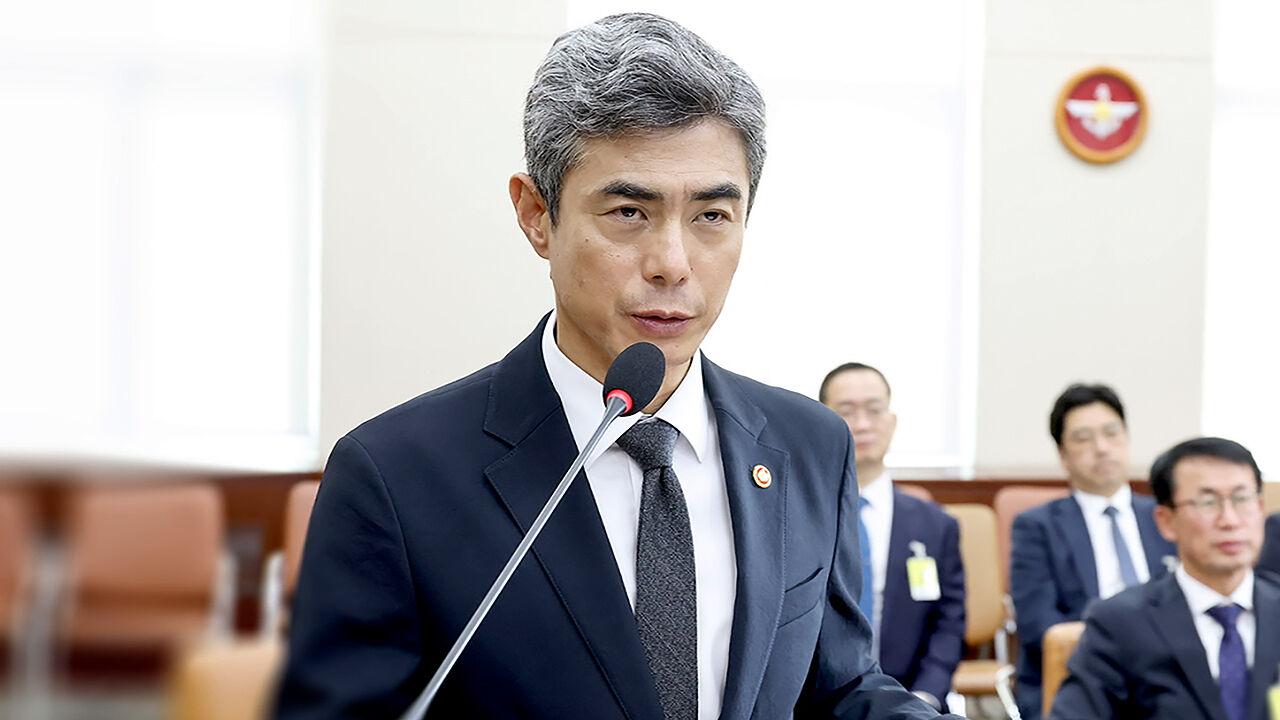
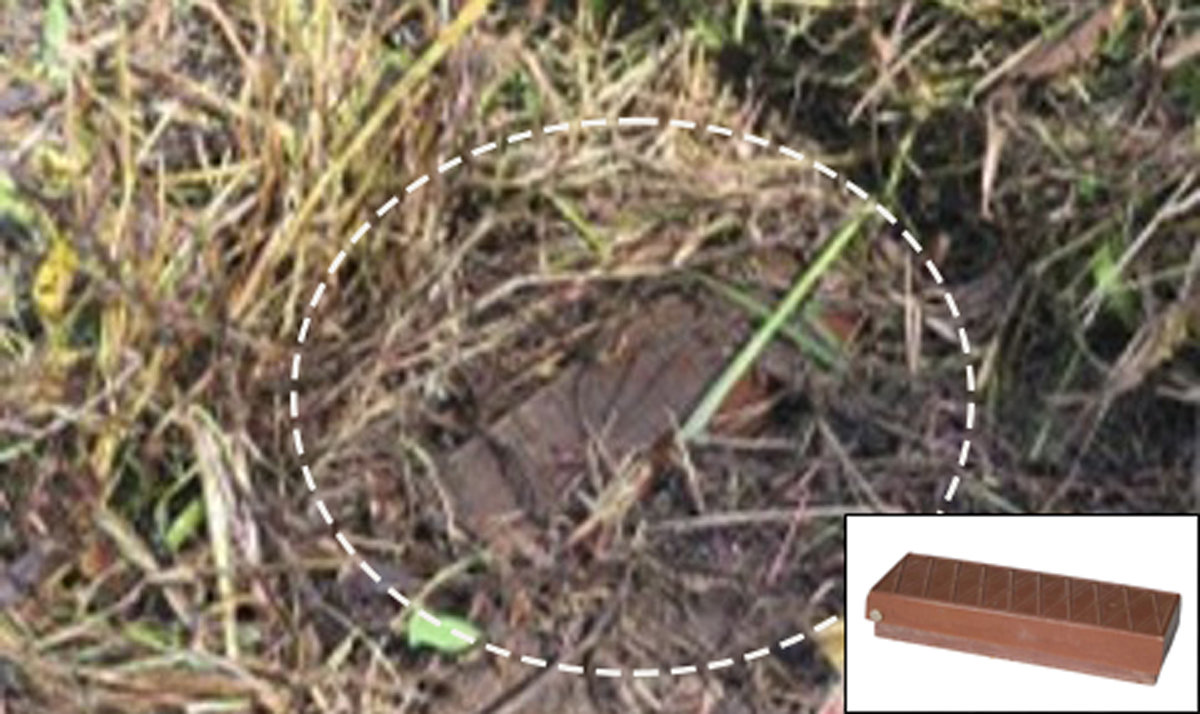
    The military and the UN Command then investigated the site jointly. On the 29th, another North Korean-made plastic anti-personnel mine turned up near the blast site. On the 30th, the UN Command said its findings showed an armistice violation had occurred and that it is responding under the armistice framework. South Korea's Joint Chiefs of Staff said the UN Command agreed that both blast sites and the newly found mine lie south of the military demarcation line. Defense Minister Kang Sin-chul stressed that North Korea bears responsibility and said Seoul will take phased steps using a range of tools, including cooperation with the international community and military responses. He did not spell out how.

    Kim Yo Jong, sister of leader Kim Jong Un, dismissed the announcement, claiming the latest incident is a fabrication that mirrors the tactics of the wooden-box mine case from more than a decade ago. According to the North's account, no North Korean personnel crossed the border line, and since August South Korean forces have issued warning broadcasts and fired warning shots almost daily. She threatened swift retaliation if live fire occurs and said the North will add tactical response capabilities facing South Korea's 3rd Corps and 21st Division sector.

    After the wooden-box mine incident on Aug. 4, 2015, the South Korean military announced within six days that North Korea was responsible and resumed loudspeaker broadcasts aimed at the North. Ten days later, North Korea fired artillery and tensions rose, but high-level talks at Panmunjom ended in an expression of regret from the North and an agreement to halt the broadcasts. How the military chooses its response this time, and how North Korea reacts, is seen as the key to keeping the situation under control.

    In Korea right nowIn South Korea, attention is on how strong the response will be, given that troops were hurt and memories of the 2015 incident remain fresh. The Joint Chiefs of Staff urged North Korea to immediately halt its border fortification work and apologize. In politics, the ruling party reportedly said it would be unacceptable if the North planted the mines, while the opposition said real, tangible countermeasures are needed.

    FAQ

    Where and when did the incident happen?

    It happened on Sept. 21 in the western part of the DMZ. Three service members clearing a search path were seriously injured in the blast.

    What did the UN Command conclude?

    A joint investigation found a functional North Korean anti-personnel mine south of the military demarcation line. On that basis, the UN Command determined an armistice violation had occurred.

    How has the South Korean government said it will respond?

    The defense minister said North Korea's responsibility is clear and that countermeasures will come in phases. Cooperation with the international community and military responses were mentioned, but no details have been released.

    📎 원문 보기 · Sources

    SBS 뉴스 기사 이미지DMZ Mine Blast: UN Command Cites Armistice BreachSBS 뉴스 · Sep 30, 2026'DMZ 북한 지뢰' 군 발표에…김여정 "서울의 자작 광대극"Read the full story & photos at the source →
    경향신문 기사 이미지DMZ Mine Blast: UN Command Cites Armistice Breach경향신문 · Sep 30, 2026[속보]김여정 “DMZ 지뢰 폭발, 서울의 자작광대극…총알 한 발이라도 탄착되면 가차없는 보복”Read the full story & photos at the source →
    한겨레 기사 이미지DMZ Mine Blast: UN Command Cites Armistice Breach한겨레 · Sep 30, 2026북, DMZ ‘북 지뢰’ 우리 발표에 “총알 한발이라도 탄착 땐 보복”Read the full story & photos at the source →
    조선일보 기사 이미지DMZ Mine Blast: UN Command Cites Armistice Breach조선일보 · Sep 30, 2026김민석 “DMZ 지뢰 폭발, 北 정전협정 위반…사과·시정해야”Read the full story & photos at the source →
    동아일보 기사 이미지DMZ Mine Blast: UN Command Cites Armistice Breach동아일보 · Sep 30, 2026유엔사 “DMZ 北지뢰 폭발, 정전협정 위반 판단”Read the full story & photos at the source →
    동아일보 기사 이미지DMZ Mine Blast: UN Command Cites Armistice Breach동아일보 · Sep 30, 2026[속보]유엔사 “DMZ 北지뢰 폭발, 정전협정 위반 판단”Read the full story & photos at the source →

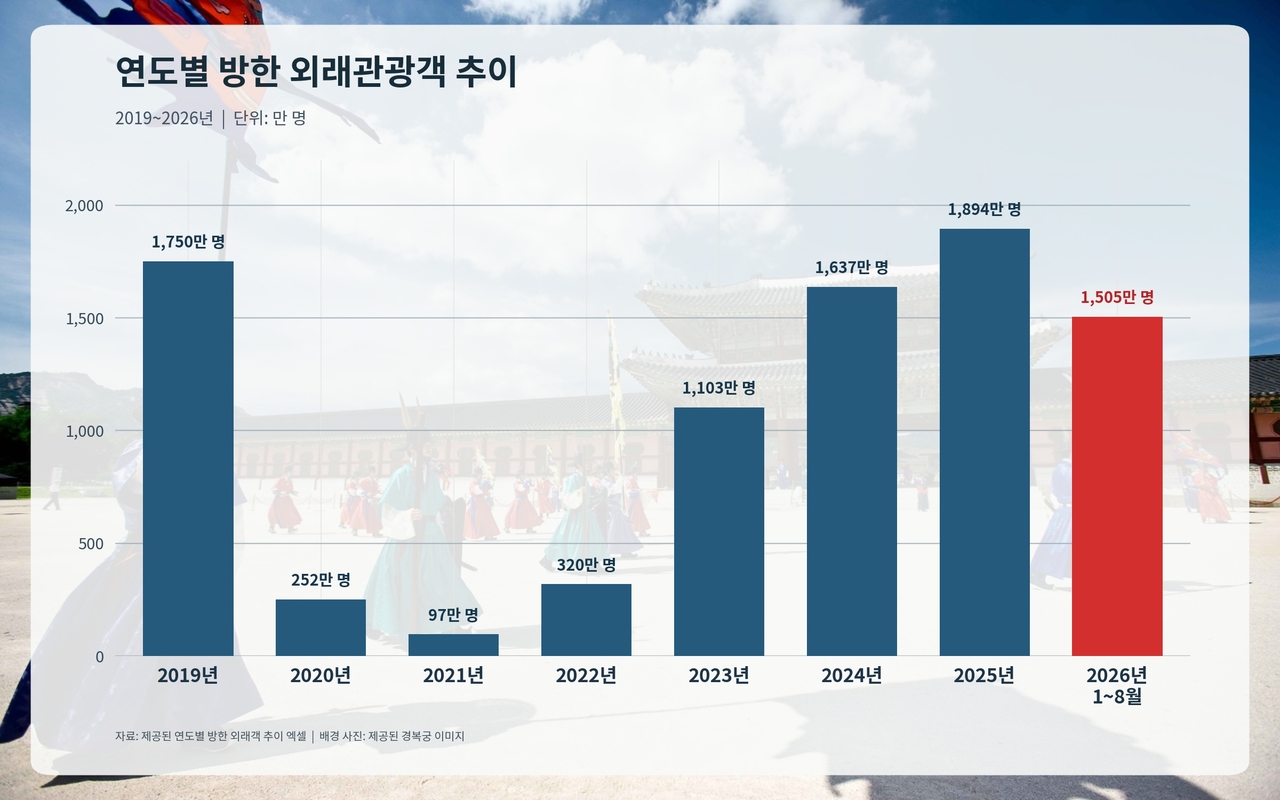
  • Foreign Tourist Arrivals Hit Record 15.05M Through Aug

    Foreign Tourist Arrivals Hit Record 15.05M Through Aug

    As of September 28, 2026, foreign tourist arrivals to Korea hit a record 15.05 million from January through August, according to the Ministry of Culture, Sports and Tourism. That's up 21.6% year over year, and Korea crossed the 15-million mark roughly a month earlier than it did last year.

    15.05 millionCumulative foreign tourist arrivals to Korea, Jan–Aug 2026
    21.6%Year-over-year growth in tourist arrivals
    ₩14.02 trillion (~$10.1B)Foreign tourist card spending, Jan–Aug 2026
    27.8%Share of arrivals entering via regional airports and ports

    Key points

    • August alone brought 2.25 million visitors, the highest total ever recorded for that month.
    • Foreign tourists' card spending topped 14 trillion won, growing even faster than visitor numbers.
    • The share of arrivals coming through regional airports and ports, rather than the Seoul area, hit its highest level of the year.
    • Chinese-speaking visitors led the surge, with steady growth across Southeast Asian countries as well.

    According to figures released September 28 by the Ministry of Culture, Sports and Tourism and the Korea Tourism Organization, the number of foreign visitors to Korea through August set a new record. The country crossed 15 million cumulative arrivals about a month earlier than last year, and August alone outdrew every previous August on record.

    The spending numbers stand out even more. Foreign visitors' tourism-related card spending topped ₩14 trillion (roughly $10.1 billion) over the same period — growing faster than the headcount itself, a sign that per-visitor spending is climbing.

    Entry points are diversifying too. Instead of funneling through Incheon or Gimpo in the greater Seoul area, the share of visitors arriving via regional airports and ports climbed to its highest point this year, suggesting inbound tourism's center of gravity is inching away from Seoul. By nationality, visitors from Greater China — mainland China and Taiwan — rose sharply, and Southeast Asian countries including the Philippines, Vietnam, and Indonesia all saw increases without exception. Indonesia posted the steepest growth of any Southeast Asian country, emerging as a new growth engine.

    Behind the surge is the government's push to lower entry barriers. Since late March, Korea has eased multiple-entry visa requirements for 11 Southeast Asian countries, including the Philippines, Vietnam, and Indonesia, and since late May it has temporarily allowed visa-free entry for Indonesian group tourists. The Korea Tourism Organization has also set up a visa-assistance desk in New Delhi, India, and simplified screening paperwork in Manila, the Philippines, as part of its on-the-ground support.

    The ministry said it plans to keep streamlining entry procedures and tying promotion to K-culture through the fourth quarter, aiming to sustain the momentum through October's peak travel season.

    In Korea right nowIn Korea, the numbers are being welcomed as a bright spot to offset sluggish domestic consumption. Shopping districts like Myeongdong and Jongno report a visible uptick in foreign foot traffic, and regions outside the capital are increasingly hoping to cash in on visitor spending too.

    FAQ

    Why did foreign tourist arrivals jump so much this year?

    Easier entry, including relaxed multiple-entry visa rules for 11 Southeast Asian countries and a temporary visa-free trial for Indonesian group tourists, combined with stepped-up on-the-ground promotion, drove the surge.

    Which nationalities saw the biggest increases?

    Visitors from Greater China, including mainland China and Taiwan, rose the most, while Indonesia posted the steepest growth among Southeast Asian countries.

    Are more Koreans traveling abroad too?

    Yes — about 19.81 million Koreans traveled overseas from January through August, reaching 98.7% of pre-pandemic 2019 levels.

    📎 원문 보기 · Sources

    연합뉴스 · Sep 28, 2026올해 1∼8월 방한객 1천500만명 돌파…외국인 관광 소비 14조원 | 연합뉴스Read the full story & photos at the source →
    뉴스핌 기사 이미지Foreign Tourist Arrivals Hit Record 15.05M Through Aug뉴스핌 · Sep 28, 20268월 누적 방한객 1500만명…소비액 증가세도 역대 최고치Read the full story & photos at the source →
    헤럴드경제 기사 이미지Foreign Tourist Arrivals Hit Record 15.05M Through Aug헤럴드경제 · Sep 28, 2026한국 와서 14조 원 긁었다…8월 누적 방한 외래객 1500만 명 돌파Read the full story & photos at the source →
    파이낸셜뉴스 기사 이미지Foreign Tourist Arrivals Hit Record 15.05M Through Aug파이낸셜뉴스 · Sep 28, 20268월까지 방한객 1505만명…관광 카드소비 14조원 돌파Read the full story & photos at the source →

  • Busan’s Shark ‘Bukangi’ Draws 320,000 Over Chuseok

    Busan’s Shark ‘Bukangi’ Draws 320,000 Over Chuseok

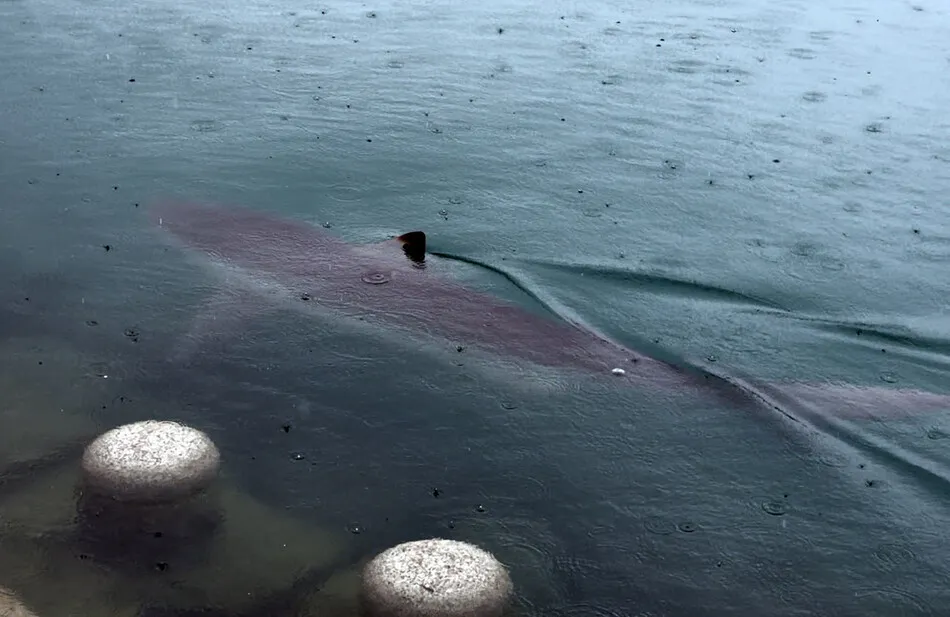
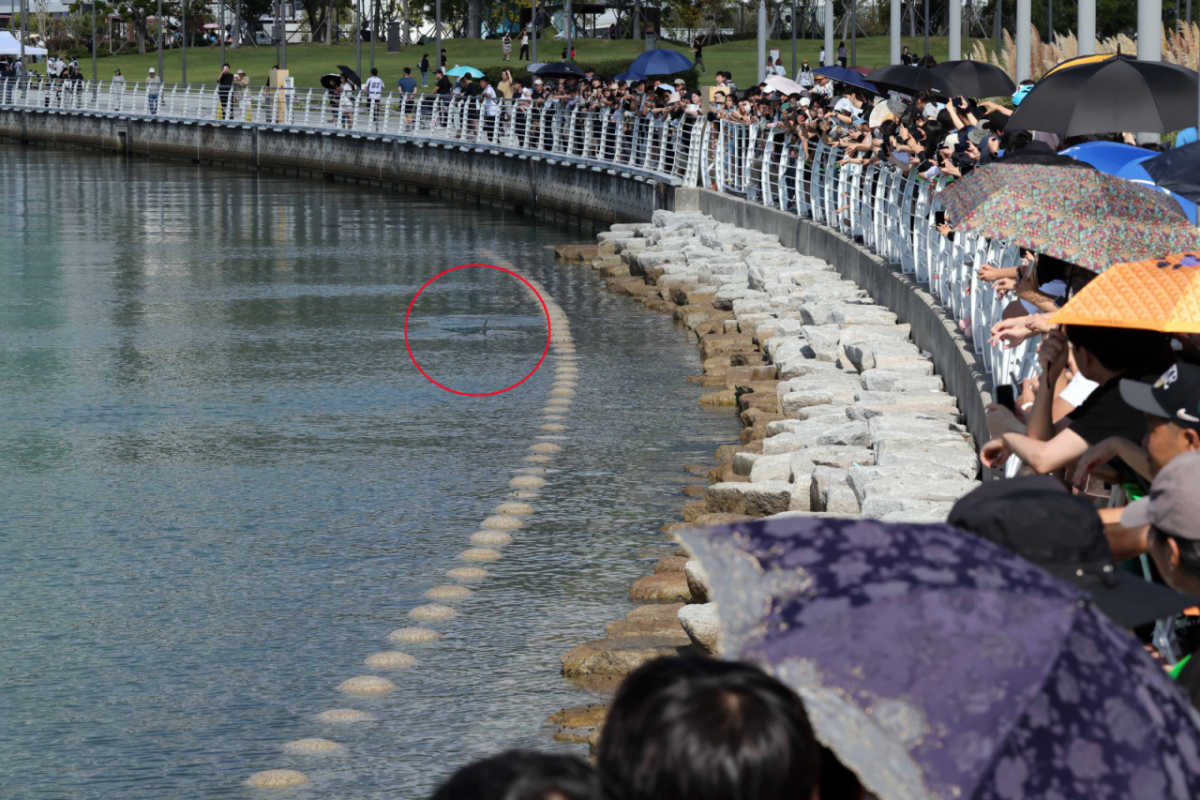
    As of September 27, 2026, a shark that has been trapped for more than ten days in a narrow artificial channel at Busan's North Port waterfront park drew the biggest crowds of the Chuseok holiday. Nicknamed "Bukangi" by locals, the shark pulled in roughly 320,000 visitors over the three-day holiday alone.

    ~320,000Cumulative visitors to North Port waterfront park over the three-day Chuseok holiday
    ~450,000Cumulative visitors over the ten days since the shark was first spotted
    3-4m (about 10-13 ft)Estimated length of the shark nicknamed Bukangi

    Key points

    • A shark believed to be a tawny nurse shark or a type of blacktip shark, roughly 3 to 4 meters long, was first spotted in the North Port artificial channel on September 18.
    • Cumulative visitors to the waterfront park over the three-day Chuseok holiday reached around 320,000.
    • Total cumulative visitors since the shark was first spotted have climbed to the mid-400,000s over roughly ten days.
    • Officials plan to meet on September 28 to discuss using nets to guide the shark back out to sea.

    A shark that first turned up in the narrow artificial channel at Busan's North Port waterfront park on September 18 still hasn't made it back to open water. The city has taken to calling it "Bukangi" — a nickname derived from "Bukhang," Korean for North Port — and experts believe it's a tawny nurse shark or a type of blacktip shark, roughly 3 to 4 meters (about 10 to 13 feet) long.

    Crowds kept coming throughout the Chuseok holiday. More than 100,000 people showed up on the first day of the holiday alone, an even bigger crowd turned out on the holiday itself, and roughly 80,000 to 90,000 more came on the final day despite bad weather — adding up to about 320,000 visitors over the three days. Tally it from when the shark was first spotted, and cumulative visitors climb to the mid-400,000s, dozens of times the usual holiday turnout of a few thousand people a day.

    The problem is that where the shark is stuck isn't fit for it to live in. The artificial channel is only a few dozen meters wide and a few meters deep, and its curved layout appears to be why the shark can't find its way back out to sea. Korea's National Institute of Fisheries Science warned that the shark has been seen circling the same stretch and bumping into the walls, and that prolonged confinement could kill it. Police earlier tried using patrol boats to guide the shark out of the channel, but that effort hasn't succeeded yet.

    With crowds swelling, the city of Busan, the Busan Facilities Corporation, Dong District Office, and police have been deploying dozens of staff daily for crowd and safety management — restricting access to the busiest stretches and closing off the channel area entirely at night. Officials plan to meet on September 28 to hash out a rescue plan, including using large nets to guide the shark out to open water.

    In Korea right nowIn Busan, reaction has mixed surprise at the unexpected tourism boost with growing concern from environmental groups. The Busan Federation for Environmental Movement issued a statement arguing the episode shouldn't be treated as just a spectacle, but as a sign that climate change — including rising sea temperatures — is altering the migration patterns of marine life.

    FAQ

    What kind of shark is Bukangi?

    Korea's National Institute of Fisheries Science estimates it's a tawny nurse shark or a type of blacktip shark, roughly 3 to 4 meters long, believed to have chased prey into the narrow artificial channel by accident.

    Why can't Bukangi get back to the sea?

    Experts say the artificial channel's narrow, curved layout is likely why the shark can't find its way back out to open water.

    What are officials doing about it?

    The city of Busan, the National Institute of Fisheries Science, and the coast guard are meeting to consider using large nets to guide the shark back to sea, while stepping up on-site safety management in the meantime.

    📎 원문 보기 · Sources

    한겨레 기사 이미지Busan’s Shark ‘Bukangi’ Draws 320,000 Over Chuseok한겨레 · Sep 27, 2026부산 온 김에 ‘부캉이’ 상어 보자…추석에 33만명 몰려Read the full story & photos at the source →
    머니투데이 기사 이미지Busan’s Shark ‘Bukangi’ Draws 320,000 Over Chuseok머니투데이 · Sep 27, 2026부모님 뵈러 온김에 '부캉이' 보자…추석 연휴 32만명 몰렸다 - 머니투데이Read the full story & photos at the source →

  • Chuseok Return Traffic Peaks; Busan-Seoul Takes 7 Hrs

    Chuseok Return Traffic Peaks; Busan-Seoul Takes 7 Hrs

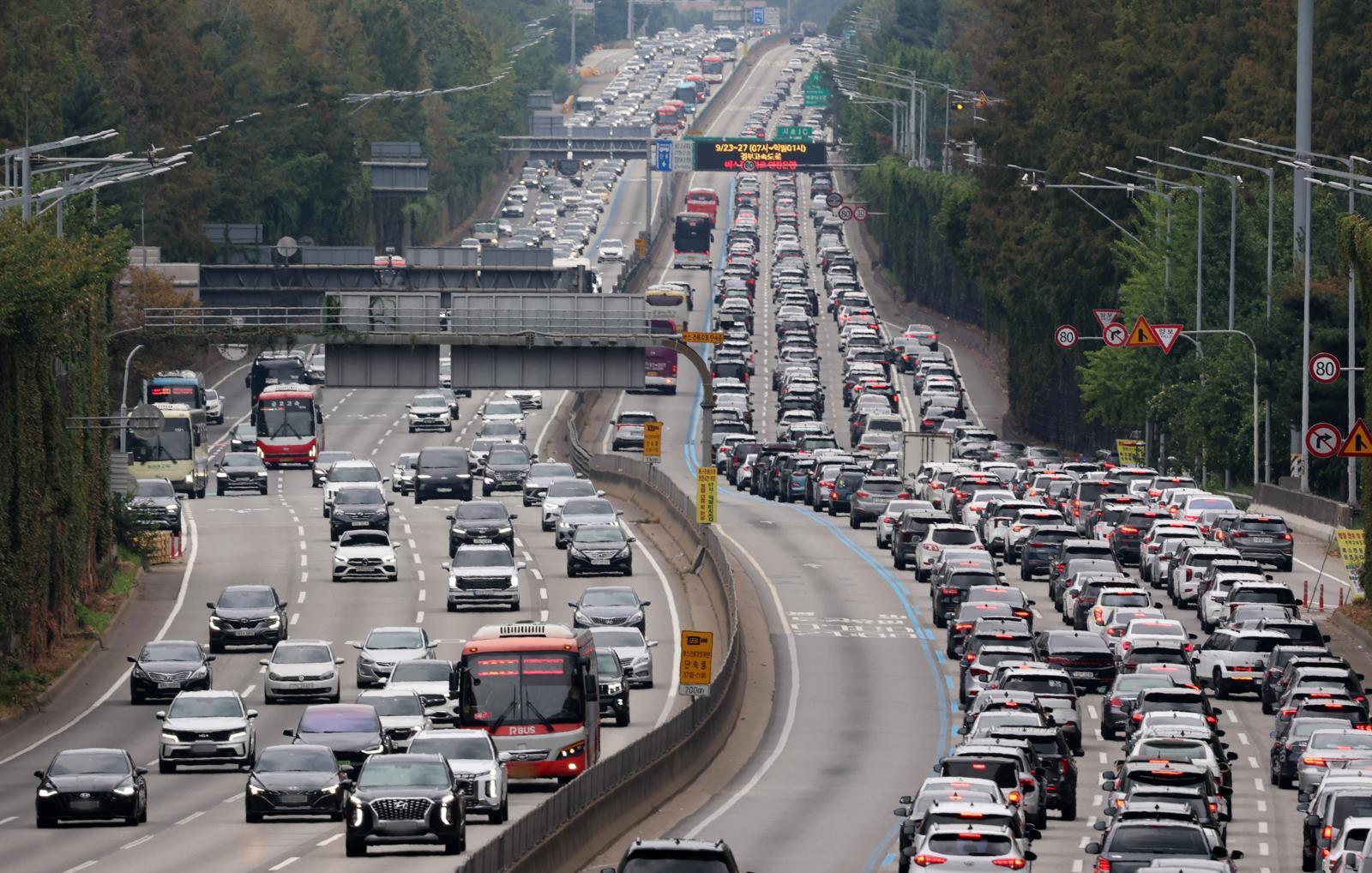
    As of September 26, 2026, return traffic is building nationwide on the third day of the Chuseok holiday, Korea's harvest festival, as highways clog with drivers heading back to Seoul. The Korea Expressway Corporation expects 5.9 million vehicles on the road today, with the Busan-to-Seoul drive taking roughly seven hours.

    About 5.9 millionVehicles expected on national highways today
    520,000Vehicles expected to travel from the provinces to Seoul today
    About 7 hoursEstimated Busan-to-Seoul return drive time

    Key points

    • About 5.9 million vehicles are expected on national highways today, the third day of the Chuseok holiday.
    • Traffic heading into Seoul is forecast to peak in the late afternoon.
    • More vehicles are traveling from the provinces to the greater Seoul area than in the opposite direction.
    • Congestion has built since morning on major routes including the Gyeongbu and Nonsan-Cheonan expressways.

    Return traffic has kicked into high gear on the third day of the Chuseok holiday. With far more cars on the road than a typical Saturday, highways nationwide are seeing slow, stop-and-go conditions.

    According to the Korea Expressway Corporation, roughly 5.9 million vehicles are expected to use the country's highways today. Of those, about 380,000 are heading from the greater Seoul area out to the provinces, while a larger share — roughly 520,000 — are making the return trip from the provinces back to Seoul.

    Traffic heading toward Seoul is expected to start building early in the morning and peak in the late afternoon before easing, with conditions not fully clearing until early the next morning. The opposite direction, out of Seoul, is expected to peak around the same late-afternoon window and ease by evening.

    Based on morning tollgate data, the Expressway Corporation projects the Busan-to-Seoul drive will take about seven hours. Trips from Daegu, Mokpo, and Ulsan to Seoul are expected to run over six hours as well, while closer cities like Daejeon and Gangneung should take a more manageable three hours or so. Traveling the opposite direction, from Seoul out to the provinces, tends to be quicker — the Seoul-to-Busan trip, for instance, is estimated at just over five hours.

    Slow sections have already been reported since morning on the return-bound stretches of major routes, including the Gyeongbu, Nonsan-Cheonan, Seohaean, and Jungbu Naeryuk expressways. Separately, tolls are waived nationwide for the four days of this Chuseok holiday, which takes some of the sting out of an otherwise long slog for returning travelers.

    In Korea right nowFor many Koreans, holiday traffic jams are as much a Chuseok tradition as the holiday itself, but this year's four-day toll waiver has encouraged some travelers to take their time rather than rush back. Delaying the return by a day or driving overnight to dodge the worst of the congestion has become a common talking point as the holiday winds down.

    FAQ

    Why do highways get so congested during Chuseok?

    Korea's tradition of nationwide family gatherings during the holiday means huge numbers of people travel to and from their hometowns on the same few days.

    When is the best time to travel to avoid traffic?

    Based on this forecast, the early morning hours or late at night are expected to be relatively lighter.

    Are highway tolls always free during holidays?

    No. Tolls are typically waived temporarily during the Lunar New Year and Chuseok holidays, and this year's waiver covers four days.

    📎 원문 보기 · Sources

    조선일보 기사 이미지Chuseok Return Traffic Peaks; Busan-Seoul Takes 7 Hrs조선일보 · Sep 26, 2026부산~서울 귀경길 7시간 예상... 오후 4~5시 정체 절정 달할 듯Read the full story & photos at the source →
    동아일보 기사 이미지Chuseok Return Traffic Peaks; Busan-Seoul Takes 7 Hrs동아일보 · Sep 26, 2026고속도로 귀경길 정체 본격화…부산→서울 7시간 10분Read the full story & photos at the source →
    동아일보 기사 이미지Chuseok Return Traffic Peaks; Busan-Seoul Takes 7 Hrs동아일보 · Sep 26, 2026연휴 셋째날 고속도로 귀경길 정체 본격화…부산→서울 7시간 10분Read the full story & photos at the source →
    한국경제 기사 이미지Chuseok Return Traffic Peaks; Busan-Seoul Takes 7 Hrs한국경제 · Sep 26, 2026"부산에서 서울까지 7시간"…오후 4시 정체 최고조 달해Read the full story & photos at the source →