As of August 28, 2026, South Korea's benchmark interest rate stands at 3.00% a year. The Bank of Korea's Monetary Policy Board raised the rate by 0.25 percentage points at its meeting the day before — the second straight increase after July's hike — in a move widely read as a preemptive strike against rising inflation.
Key points
- On August 27, the Bank of Korea (BOK) raised its base rate by 0.25 percentage points, from 2.75% to 3.00%.
- It's the second consecutive hike after last month's move. Six of the seven Monetary Policy Board members voted to raise; one, Hwang Geon-il, favored holding steady.
- Rising global oil prices and income-driven consumer spending were cited as reasons inflation could keep climbing into next year.
- Household debt has crossed the 2,000 trillion won mark for the first time ever, while home prices in the greater Seoul area keep climbing — both factored into the decision.
The Bank of Korea's Monetary Policy Board met on August 27 and voted to raise the base rate by 0.25 percentage points, lifting it from 2.75% to 3.00%. It's the second straight increase since the board's last hike on July 16. Six of the seven board members backed the move; only Hwang Geon-il dissented, arguing for a hold.
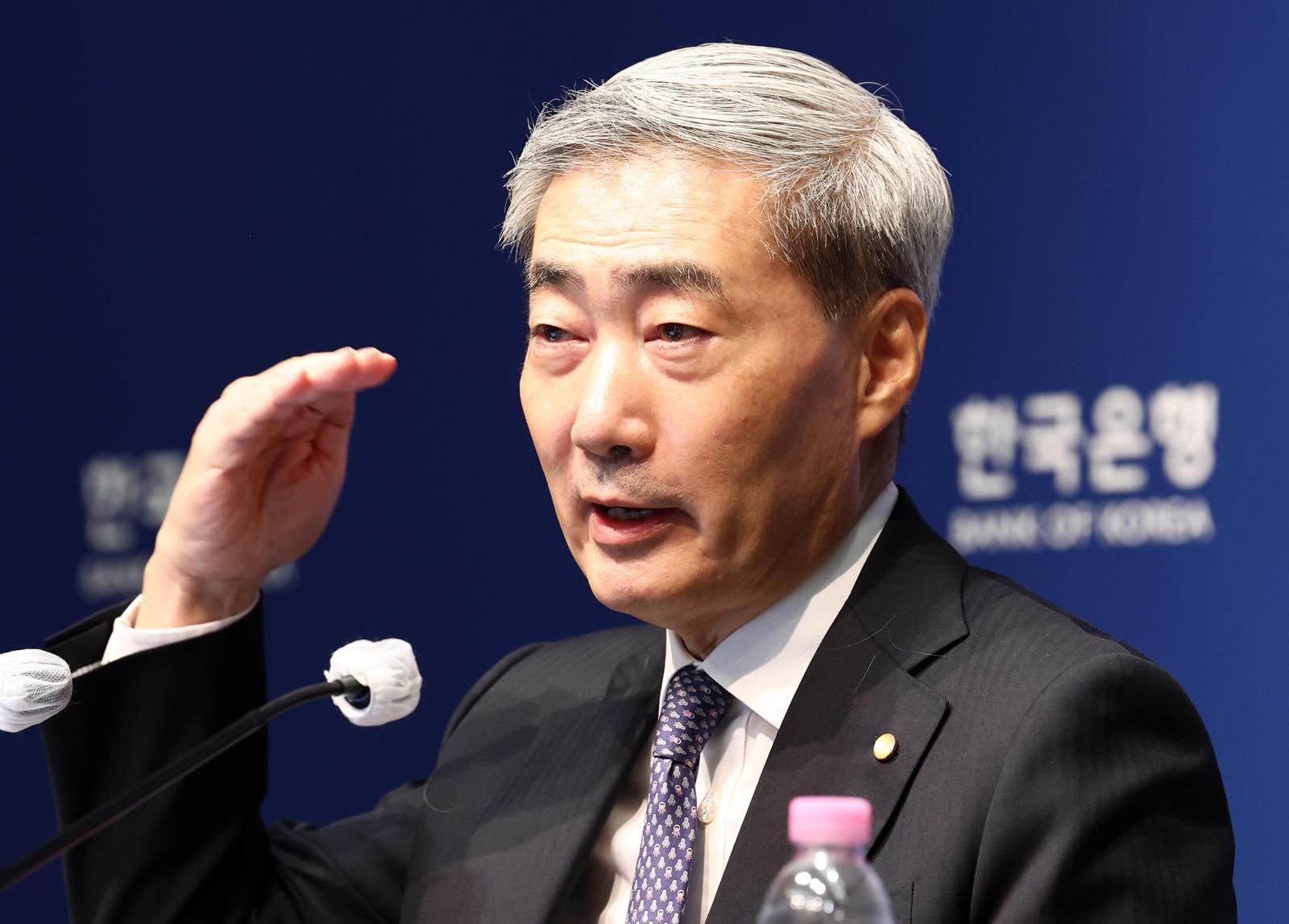
This marks the first time the BOK has raised rates at back-to-back meetings immediately after pivoting into a tightening cycle. Consecutive hikes right after a policy shift are themselves rare — this is only the fourth such instance, following 2007, 2021-2022 and 2022-2023. Governor Shin Hyun-song said the back-to-back move was a deliberate departure from convention, meant to send markets a clear signal that the central bank is serious about reining in inflation.
The board pointed to a buildup of higher global oil prices and rising consumer spending fueled by income growth as reasons inflation could keep climbing through next year. Household debt breaking the 2,000 trillion won mark for the first time, along with persistent home-price gains across the greater Seoul area, also weighed on the decision. Governor Shin said acting early — before inflation spreads further — would ultimately keep the cost to the broader economy lower.
In its statement, the board said it would keep monitoring inflation and growth conditions to decide the pace and scale of any further hikes, signaling the tightening cycle isn't over. Some market watchers expect one or two more hikes by next February, pushing the rate to somewhere between 3.25% and 3.5% by mid-year. Higher policy rates typically filter through to market lending rates, meaning bigger interest burdens ahead for households and businesses with loans.
FAQ
Why does South Korea's base rate matter?
The base rate directly shapes deposit and loan rates as well as the won's exchange rate, which affects interest costs and currency-conversion expenses for foreign investors and residents alike.
How does this hike affect foreign residents in Korea?
Foreign residents with a mortgage or jeonse (lump-sum lease deposit) loan could see higher interest payments, and shifts in the won's value could also change the cost of currency exchange.
Will the Bank of Korea keep raising rates?
The BOK says it will decide on further hikes based on inflation and growth data, and some market watchers expect the rate to reach 3.25%-3.5% by the first half of next year.
📎 원문 보기 · Sources
동아일보 · Aug 28, 2026기준금리 3%시대… “물가 선제 대응” 추가 인상 열어놔Read the full story & photos at the source →
세계일보 · Aug 28, 2026기준금리 3% 시대 “물가상승 선제 대응”外 [한강로 경제브리핑]Read the full story & photos at the source →
Leave a Reply