As of August 14, 2026, a White House trade report has classified South Korea as a 'Tier 1' country at risk of transshipping Chinese goods to dodge U.S. tariffs. The report singled out Gyeonggi Province's semiconductor industrial belt as one possible rerouting channel for Chinese-made components, and estimated that illegal transshipment worldwide — spanning roughly 40 countries — could total as much as $303 billion a year.
Key points
- The White House Office of Trade and Manufacturing Policy laid out the risk tiers in a 25-page report, sorting countries into three levels of transshipment risk.
- Korea landed in the highest-risk Tier 1 alongside Japan, Taiwan, Canada, the EU, India, Israel, and Mexico.
- The report names Gyeonggi's semiconductor industrial belt as a conduit for rerouted integrated circuits, arguing it could squeeze U.S. chip hubs like Phoenix, Austin, Portland, and San Jose.
- It also outlines plans to build an AI-powered monitoring system to track shipping routes and verify country-of-origin claims.
Notably, the report wasn't written by the U.S. Trade Representative's office but by the White House's own Office of Trade and Manufacturing Policy, and it carries the blunt title 'The Great Transshipment Scam.' Its central claim: Chinese goods hit with steep U.S. tariffs are increasingly routed through third countries, where minimal assembly, repackaging, or relabeling is enough to disguise their origin before they enter the U.S. market. The report sorts at-risk countries into three tiers based on industrial structure and reliance on Chinese supply chains, placing nations with both large U.S. export bases and heavy China-linked shipping volume — where legitimate trade and risky shipments can blend together — into the top tier.
FAQ
What exactly counts as 'transshipment'?
It refers to sending Chinese-made goods to a third country, giving them minimal assembly, repackaging, or a new label, and then exporting them to the U.S. as if they originated there.
Does Korea's Tier 1 placement mean illegal activity was found?
No. It's a risk classification based on structural factors like the size of Korea's U.S. exports and its China-linked shipping volume — not a finding of specific wrongdoing.
Could this report actually affect U.S.-Korea trade talks?
It was compiled independently of any Section 301 investigation, but observers say Washington could still use it as leverage in country-specific negotiations.
📎 원문 보기 · Sources


한국경제 · Aug 13, 2026백악관, 중국 환적 '위험 국가'로 한국 지목…"단속 강화할 것"Read the full story & photos at the source →
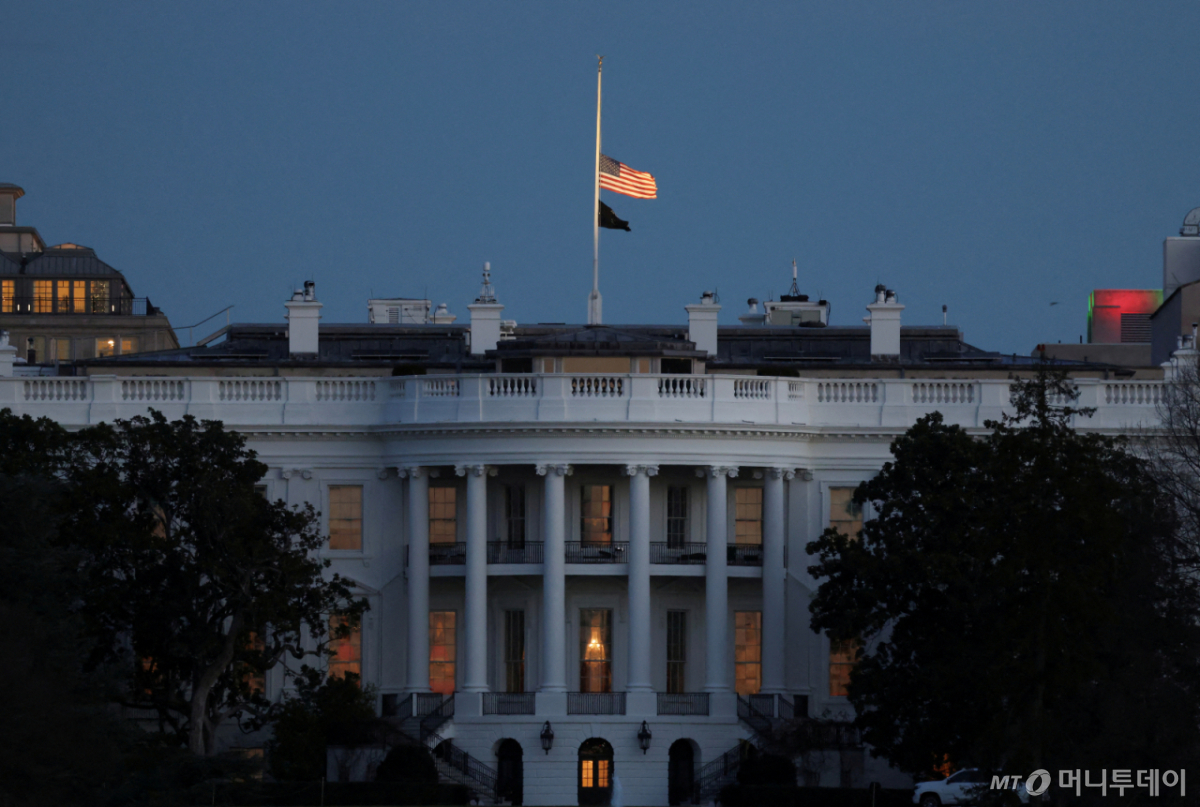
머니투데이 · Aug 14, 2026美 "中, 40개국 거쳐 430조 꼼수 수출"…한국 반도체도 지목 - 머니투데이Read the full story & photos at the source →
Leave a Reply