
As of October 25, 2026, South Korea's second-quarter current account surplus came to about $116.6 billion, more than Germany's and Japan's surpluses combined for the same quarter. It's the first time that has happened in comparable data going back to 1996, and a surge in semiconductor exports is the main driver.
Key points
- IMF data posted on the Bank of Korea's economic statistics system put South Korea's Q2 surplus at about $116.6 billion, second only to China among 36 major economies.
- That's roughly $13.7 billion more than the combined total of Germany (about $52.3 billion) and Japan (about $50.6 billion), which comes to about $102.9 billion.
- Korea's surplus more than quadrupled from Q2 last year, while Germany's grew just 11.9% and Japan's just 5.0%.
- The IMF expects Korea's full-year 2026 surplus to hit about $421.9 billion, but projects it will shrink after 2029.
According to International Monetary Fund (IMF) figures posted on the Bank of Korea's economic statistics system, South Korea ran a current account surplus of about $116.6 billion in the second quarter. Among the 36 major economies that have reported numbers for the quarter, only China did better, at about $193.7 billion. Germany came in at about $52.3 billion and Japan at about $50.6 billion.
Add those two together and you get about $102.9 billion, which leaves Korea ahead by roughly $13.7 billion. Since 1996, the first year all three countries' quarterly data can be compared side by side, this is the first time Korea has outpaced Germany and Japan combined. Korea's surplus was more than four times last year's Q2 level of about $28.4 billion. Over the same period, Germany's grew just 11.9% and Japan's just 5.0%.
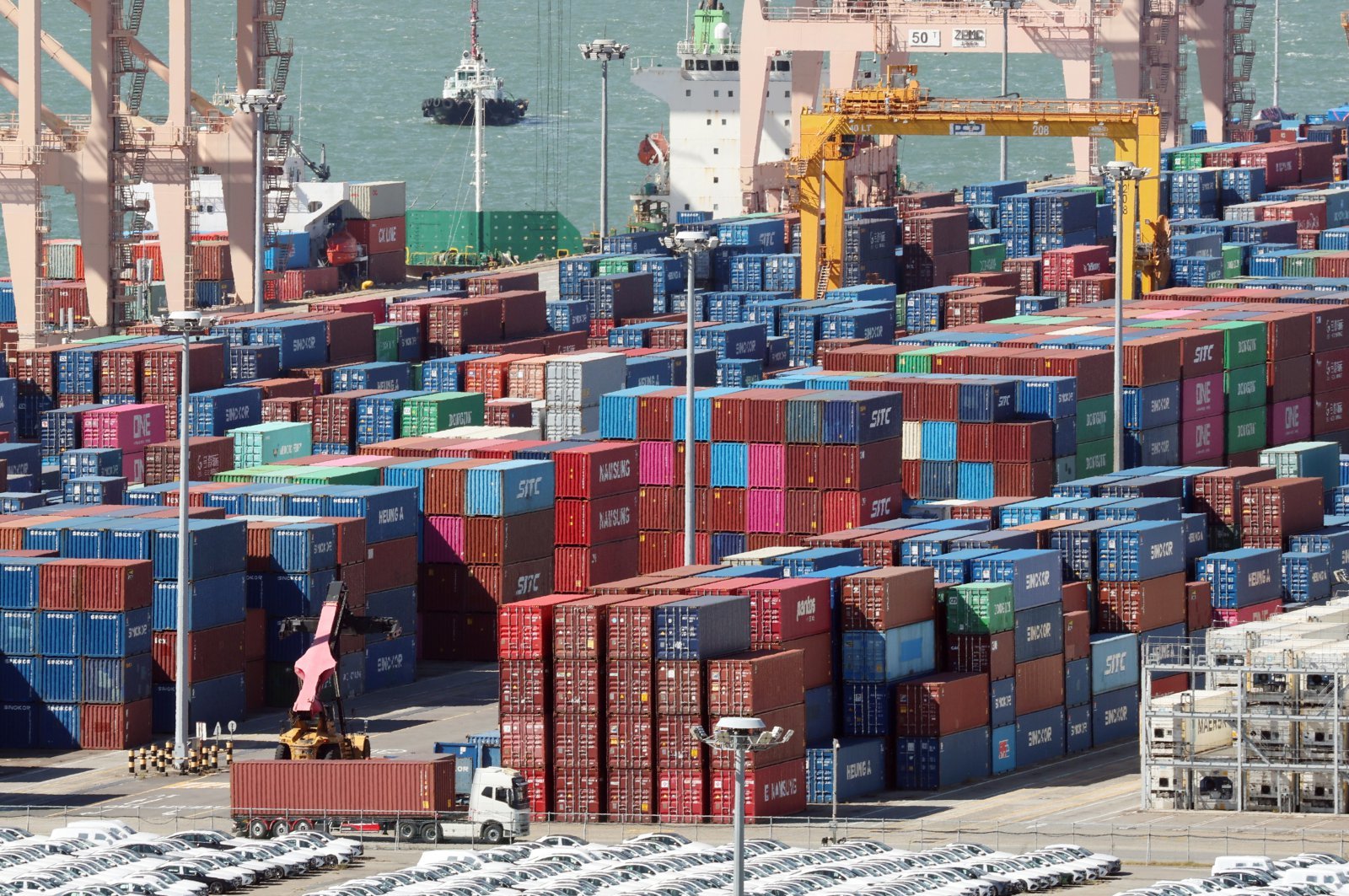
The reason is chips. Semiconductor exports in Q2 came to about $113.9 billion, roughly 2.8 times the level a year earlier. In the third quarter, the growth rate accelerated further, to about 219%. The momentum carried through: in July and August alone, Korea's surplus was about $88.2 billion, topping the roughly $80.8 billion that Germany and Japan posted together.
In its October World Economic Outlook, the IMF projected Korea's 2026 full-year surplus at about $421.9 billion. That ranks second among 190 economies, behind only China, and is up three spots from fifth place last year. In its economic assessment on October 22, the Bank of Korea said strong chip exports should push the annual figure past its earlier forecast of about $450 billion.
The medium-term outlook looks different, though. The IMF projects the surplus will fall to about $295.7 billion in 2029 and about $177.5 billion in 2031. The Hankyoreh, a Korean daily, reported that the forecast rests on analysis that chip exports have leaned more on rising prices than on volume, and that rivals such as China are expected to expand supply.
FAQ
What is a current account surplus?
It means a country took in more money than it sent out from trading goods, services and income with the rest of the world over a given period. In Korea's case, exports of goods like semiconductors make up a big share of the surplus.
Why did Korea's surplus jump so much?
Mostly because of a surge in semiconductor exports. Q2 chip exports were about 2.8 times their level a year earlier, and the growth rate climbed even higher in the third quarter.
Will the surplus stay this big?
The IMF expects about $421.9 billion this year and projects it will stay above $400 billion next year and in 2028, but fall from 2029 onward. Reliance on higher chip prices and expanded supply from rival countries are cited as limiting factors.
More from Korea today
📎 원문 보기 · Sources
동아일보 · Oct 25, 2026韓, 2분기 경상흑자 1166억 달러…독일·일본 합계 추월 ‘사상 처음’Read the full story & photos at the source →

Leave a Reply