
As of August 20, 2026, President Trump has spent a second straight day airing frustration that South Korea declined to send support to the Strait of Hormuz. He claimed Korea relies on the strait for 60% of its oil imports, while President Lee Jae-myung reaffirmed on social media that Seoul is still working out meaningful ways to help.
Key points
- Speaking to reporters at the White House on August 19 U.S. time, Trump again said he was disappointed to learn Korea had turned down the request to send support to the Strait of Hormuz.
- He argued the request was justified because Korea imports roughly 60% of its oil through the strait.
- The same day, President Lee posted on his personal social media account that Korea's government has continued discussing meaningful contributions with Washington within the bounds of domestic law and policy.
- Earlier that morning, in separate remarks, Trump said North Korea holds 57 formidable nuclear weapons and that he wants to meet Kim Jong Un before the year is out.
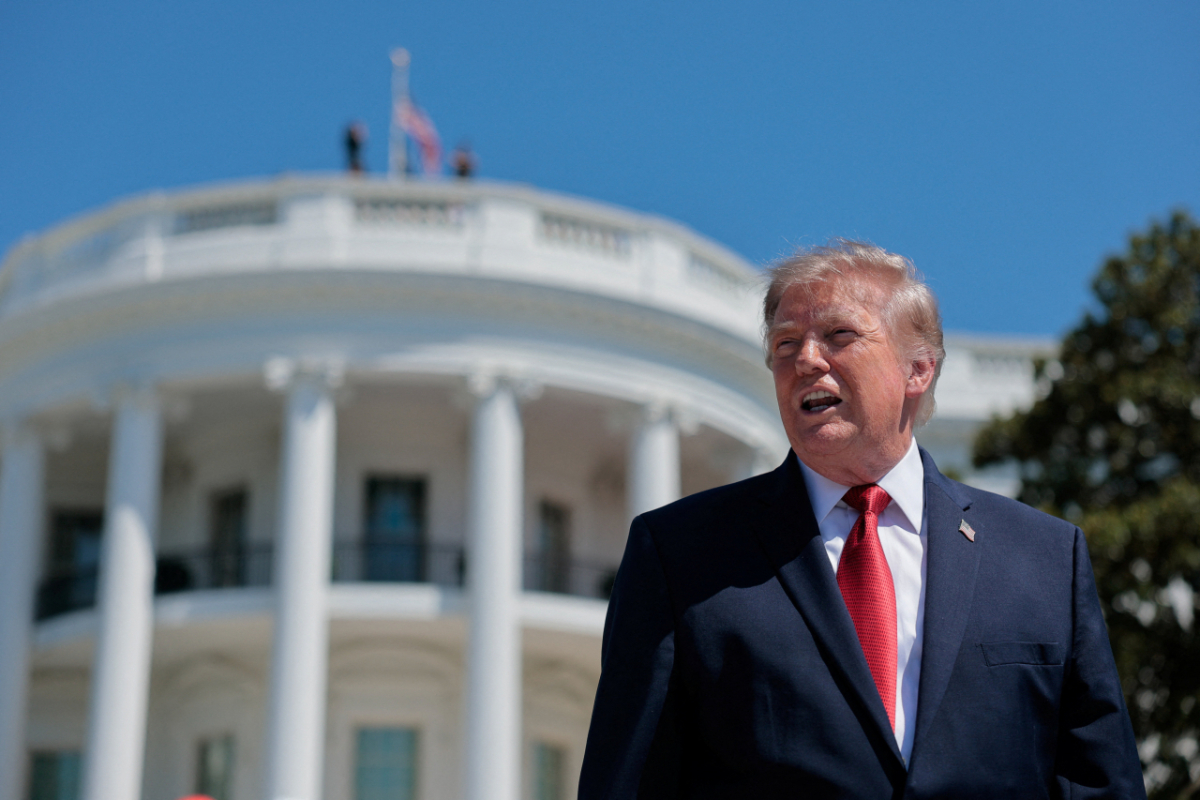
Korea's decision not to send a warship to the Strait of Hormuz at Washington's request is back in the spotlight. Speaking to reporters at the White House on August 19 U.S. time, Trump said he wasn't happy when he learned Korea had turned the request down. It's the second day in a row he's brought it up — a day earlier he'd disclosed details of a call with President Lee Jae-myung while signaling his displeasure — and he again cited Korea's heavy reliance on the strait for oil imports as the basis for the ask.
President Lee responded the same day with a post on his own social media account. He reiterated that Korea's government has repeatedly signaled its willingness to help normalize passage through the strait alongside the international community, and said Seoul would keep working with Washington on meaningful contributions within the limits of domestic law and policy. He added that he looks forward to meeting Trump again soon in the United States.
In the same White House exchange, Trump also touched on his relationship with Kim Jong Un. He said Kim, unlike Korea's past leaders, has maintained a friendly rapport with him personally — but added he wasn't thrilled that large-scale U.S.-led military exercises targeting North Korea have continued despite that rapport. He said he doesn't expect any major crisis during the remainder of his term. Asked whether denuclearization remains the ultimate goal of restoring ties with Kim, he declined to give a direct answer.
Earlier that same morning, in separate remarks, Trump said North Korea possesses 57 formidable nuclear weapons and signaled he wants to meet Kim before the end of the year. It's the first time he's put a specific number on North Korea's arsenal, a move some read as breaking from Washington's longstanding official position of pursuing complete denuclearization. Trump met Kim three times during his first term without a major breakthrough, and North Korea has long insisted it won't return to talks unless it's recognized as a nuclear power.
FAQ
Why does the Strait of Hormuz matter to Korea?
It's a critical shipping lane for oil produced in the Persian Gulf. Trump claims Korea relies on the strait for roughly 60% of its oil imports.
How did Korea respond to the U.S. request for troops?
Korea didn't agree to the request as originally framed, including sending a warship, but says it will keep discussing meaningful contributions with Washington within the bounds of domestic law and policy.
Why is the "57 nuclear weapons" comment getting attention?
Washington has officially maintained complete denuclearization as its goal for North Korea, so putting a specific number on its arsenal is being read by some as an implicit acknowledgment of North Korea as a nuclear-armed state.
More from Korea today
SK Hynix to Cancel $29B in Stock, Eyes Dividend Hike →'D-War' Rockets Back on Netflix After 19 Years →
📎 원문 보기 · Sources

한국경제 · Aug 20, 2026트럼프 "한국, 호르무즈 지원 거절 기분 안좋아"…재차 불만 표출Read the full story & photos at the source →
머니투데이 · Aug 20, 2026트럼프 "한국, 호르무즈 지원 거절해 불쾌"…이틀만에 또 불만 표출 - 머니투데이Read the full story & photos at the source →
Leave a Reply