Category: K-Now

  • LG Electronics, LG Energy Nab Nvidia AI Certification

    LG Electronics, LG Energy Nab Nvidia AI Certification

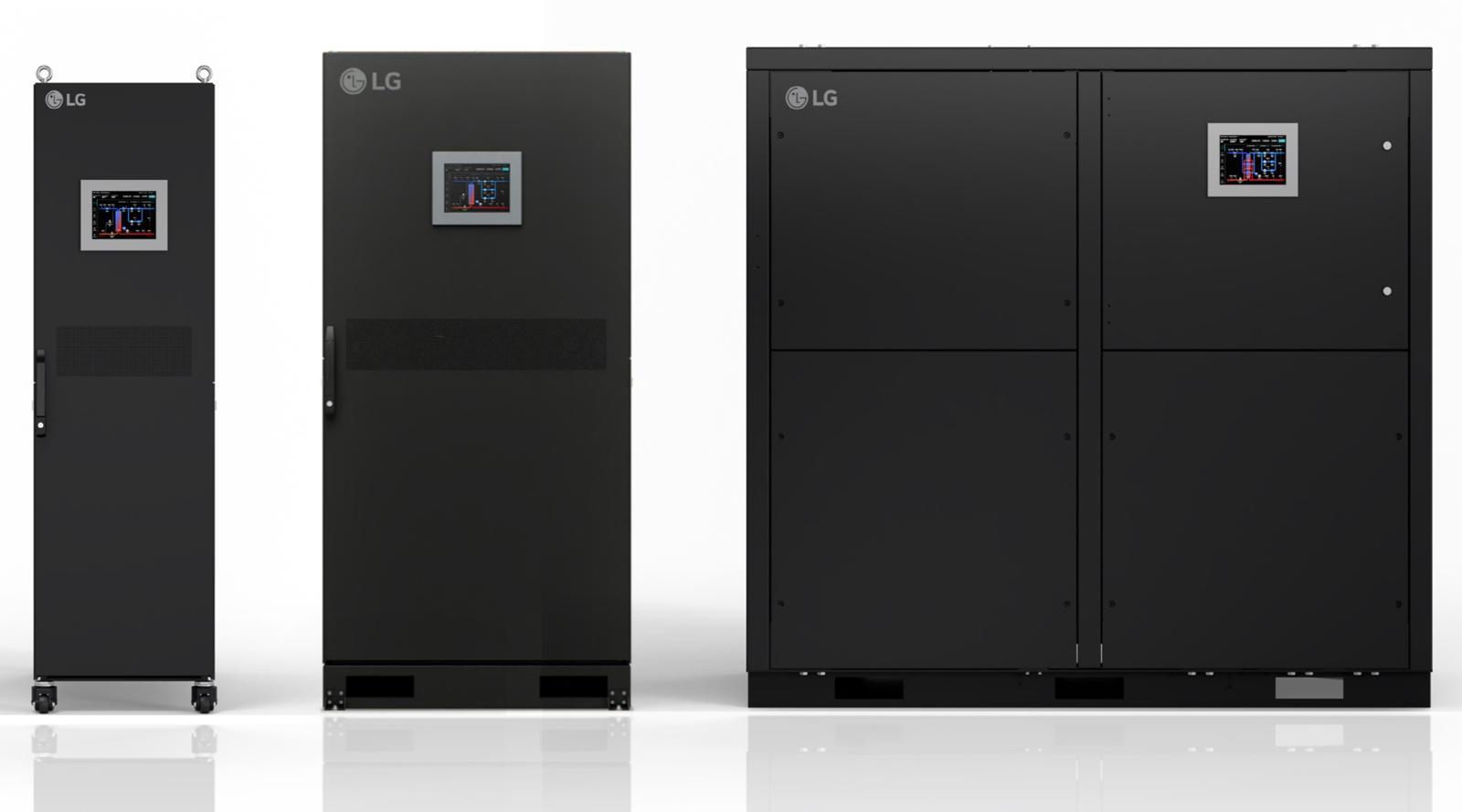
    As of September 22, 2026, LG Electronics and LG Energy Solution have both earned Nvidia's "DSX Ready" certification, the standard for next-generation AI data centers. LG Electronics' 2.5-megawatt cooling distribution unit (CDU) and LG Energy Solution's battery energy storage system (BESS) were approved on the same day, putting the LG Group on Nvidia's AI infrastructure roster for both cooling and power storage.

    2.5MWCapacity of LG Electronics' Nvidia-certified large cooling unit
    3 companiesFirms worldwide with Nvidia DSX Ready BESS certification
    60%Projected liquid cooling adoption in AI data centers by 2027 (TrendForce)
    50GWhLG Energy Solution's year-end target for North American ESS production capacity

    Key points

    • LG Electronics earned Nvidia's DSX Ready certification for its 2.5MW large-capacity cooling distribution unit, completing its small-to-large CDU lineup.
    • LG Energy Solution was certified the same day for its battery energy storage system, becoming one of just three companies worldwide with DSX Ready BESS approval.
    • Market researchers project liquid cooling adoption in AI data centers will reach 60% by 2027.

    Nvidia runs a certification framework called "DSX Ready" that vets AI data center components — everything from compute and cooling to power and software — under a single standard. For cooling distribution units (CDUs), only large-capacity systems above 2.3 megawatts qualify for review. LG Electronics announced on September 22 that its 2.5-megawatt CDU cleared that bar and received formal approval. The unit is designed to cool multiple server racks as a single group; as AI server racks have grown to around 120 kilowatts each, a cluster of roughly 20 racks now generates heat loads around 2.5 megawatts, which the industry treats as the benchmark for large-scale cooling.

    LG Electronics had already secured the same certification for 600-kilowatt and 1-megawatt units in July and earlier this month, respectively. With this latest approval, the company now has a complete CDU lineup spanning small, medium and large capacities. Combined with its chillers for bulk chilled-water production, server-room air conditioning units, and cold plates that cool chips directly, LG says it now covers the full spectrum of thermal management for AI chips.

    On the same day, affiliate LG Energy Solution received DSX Ready certification in the battery energy storage system (BESS) category. Only three companies worldwide have passed this certification, and LG Energy Solution is the only Korean battery maker among them. The certified product, the lithium iron phosphate-based "JF2 AC Link," adjusts charging and discharging to match sudden swings in AI servers' power draw and keeps supply stable even when grid voltage fluctuates sharply.

    Market researchers expect liquid cooling adoption in AI data centers to climb from about 14% in 2024 to nearly 60% by 2027, making both cooling and power storage central to AI infrastructure buildouts. LG Energy Solution currently operates five ESS production sites in North America and plans to expand its regional capacity to more than 50 gigawatt-hours by the end of the year.

    In Korea right nowIn South Korea, attention has centered on the fact that two LG Group affiliates landed Nvidia certifications on the very same day. LG Energy Solution's win is drawing particular interest: after a slowdown in EV battery demand squeezed the business, data-center energy storage offers a new growth avenue. With Nvidia effectively setting the standard for the global AI chip market, having Korean firms on its partner list is being read as a marker of how central Korean manufacturers have become to the AI supply chain.

    FAQ

    What exactly is the "DSX Ready" certification?

    It's a partner qualification Nvidia grants to compute, cooling, power and other component makers whose products meet the performance and safety standards of its DSX AI data center platform.

    Why does large-capacity cooling matter for AI data centers?

    High-performance AI chips generate far more heat than conventional servers, so air cooling alone can't keep up. Large water-cooling systems that handle multiple racks at once are considered essential for stable operation.

    What does this mean for Korea's battery and appliance industries?

    Battery makers hit by slowing EV demand and appliance makers whose cooling businesses centered on consumer products are both seen as gaining a new growth foothold in the data center market.

    📎 원문 보기 · Sources

    동아일보 기사 이미지LG Electronics, LG Energy Nab Nvidia AI Certification동아일보 · Sep 22, 2026LG전자, 엔비디아 AI 팩토리 생태계 합류…대용량 냉각 솔루션 규격 승인Read the full story & photos at the source →
    조선일보 기사 이미지LG Electronics, LG Energy Nab Nvidia AI Certification조선일보 · Sep 22, 2026LG, MS와 AI 협력 강화…LG전자 냉각장치 엔비디아 규격 승인Read the full story & photos at the source →

    경향신문 기사 이미지LG Electronics, LG Energy Nab Nvidia AI Certification경향신문 · Sep 22, 2026LG엔솔, 엔비디아 ‘AI 팩토리’ 동맹 합류…국내 배터리사 유일Read the full story & photos at the source →
    조선일보 기사 이미지LG Electronics, LG Energy Nab Nvidia AI Certification조선일보 · Sep 22, 2026구광모·나델라 美서 첫 회동…LG, MS와 손잡고 AI 인프라 공략 강화Read the full story & photos at the source →

  • Korea’s Sept. Exports Hit $71.4B, Chips Lead the Way

    Korea’s Sept. Exports Hit $71.4B, Chips Lead the Way

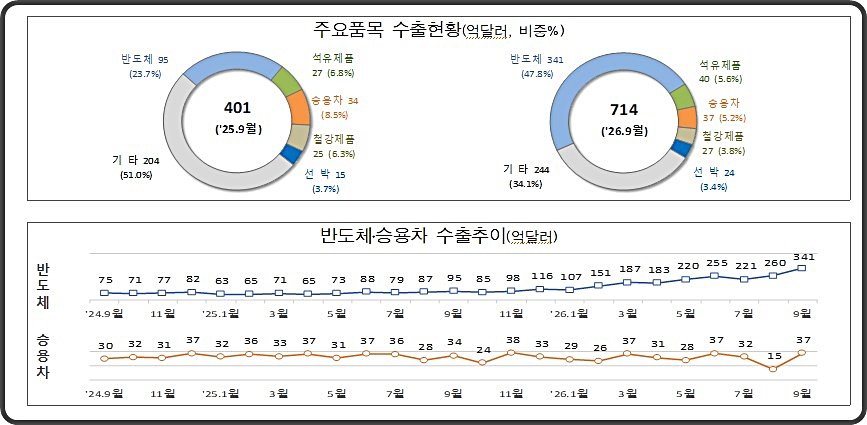
    As of September 21, 2026, Korea's exports for Sept. 1-20 surged from a year earlier to the highest total ever recorded for that period. Semiconductors drove the gain, with chips accounting for nearly half of all exports during the window.

    $71.4BTotal exports, Sept. 1-20
    $34.1BSemiconductor exports over the same period
    47.8%Semiconductors' share of total exports
    $23BTrade surplus, Sept. 1-20

    Key points

    • Korea Customs Service data released Sept. 21 showed exports for Sept. 1-20 up 78.3% year over year, far outpacing import growth and pushing the trade balance into surplus.
    • Semiconductor exports nearly tripled from a year earlier to a record for the period, with chips now accounting for nearly half of all exports.
    • Exports rose more than 10% to most major trading partners, including China, the U.S., Vietnam, Taiwan and the European Union.
    • Average daily exports rose sharply even though there was one fewer working day than a year earlier.

    According to trade data the Korea Customs Service released Sept. 21, the country's exports for Sept. 1-20 jumped sharply from a year earlier, marking the strongest total ever recorded for that 20-day window. The gain looks even more striking given there was one fewer working day this year than last.

    Semiconductors were the clear driver. Chip exports nearly tripled from a year earlier, setting a new record for the period, and semiconductors' share of total exports jumped to nearly half. Petroleum products, passenger cars, ships and computer peripherals also grew, but nowhere near as fast as chips.

    By destination, Taiwan posted the steepest growth rate. Exports to the U.S. and China roughly doubled, while Vietnam and the EU also posted solid gains, with most of Korea's top trading partners turning in strong numbers across the board. China, the U.S. and Vietnam alone accounted for more than half of total exports.

    Imports rose too, but at a slower pace than exports, pushing the trade balance to the largest surplus on record for the period. On the import side, semiconductors, chipmaking equipment and crude oil all climbed sharply, while petroleum product imports fell — a split trend. Imports from China, Japan and the U.S. all increased.

    In Korea right nowTrending in Korea right now — this is just the latest in a string of monthly export records set this year, fueling optimism about the semiconductor boom. At the same time, there's growing chatter about how risky it is to lean so heavily on one product category.

    FAQ

    Who released this data, and when?

    The Korea Customs Service published the figures on Sept. 21, covering exports and imports from Sept. 1 to 20.

    Why does heavy reliance on chips worry people?

    If one product category makes up too large a share of exports, a downturn in that industry could drag down overall export performance.

    Is this the first trade surplus this year?

    No — but the cumulative surplus through Sept. 20 is the largest ever recorded for that specific period.

    📎 원문 보기 · Sources

    동아일보 기사 이미지Korea’s Sept. Exports Hit .4B, Chips Lead the Way동아일보 · Sep 21, 20269월 1~20일 수출 714억 달러…반도체 341억 달러 ‘역대 최대’Read the full story & photos at the source →
    한국경제 기사 이미지Korea’s Sept. Exports Hit .4B, Chips Lead the Way한국경제 · Sep 21, 2026"반도체가 수출 절반"…9월 20일까지 714억달러 '역대 최대'Read the full story & photos at the source →
  • Nobel Laureates Visit Seoul, Talk Science in AI Era

    Nobel Laureates Visit Seoul, Talk Science in AI Era

    As of September 20, 2026, three Nobel laureates took part in an international academic forum at a convention center in Seoul's Gangnam district, discussing how AI will reshape the future of scientific research. The event drew 16 experts from Korea and abroad and roughly 1,200 audience members, with six Korean students joining the laureates for a direct discussion. It marked the third time this kind of event has been held in Korea.

    3Nobel laureates who took part in the forum
    ~1,200Audience members who attended in person
    3rd timeTimes this event has been held in Korea

    Key points

    • The forum was co-hosted by the Korean Academy of Science and Technology and the Nobel Foundation's outreach arm in Sweden.
    • Three Nobel laureates in chemistry, physics, and physiology or medicine took the stage.
    • Six Korean high school and university students joined the laureates on stage to discuss what it takes to be a scientist in the AI era.
    • A vice-minister-level official from the Ministry of Science and ICT and the Nobel Foundation's secretary general also met separately with the laureates.

    An academic exchange event normally held in Sweden each December, timed to the Nobel Prize ceremony, made a special international stop in Seoul this time. Korea has hosted the event twice before, and this third edition once again brought the Korean public face to face with world-renowned scholars.

    The lineup of three laureates on stage stood out. They included a Princeton University chemist honored for developing new catalytic reactions, an astrophysicist from the Australian National University recognized for observational proof of the universe's expansion, and a professor at a Massachusetts medical school honored for uncovering the mechanisms that regulate gene expression. Sixteen experts from science, the arts, and philosophy joined them as speakers and panelists.

    In Korea right nowIn Korea, attention is centered on the fact that world-class scholars sat down directly with Korean students for a face-to-face conversation. Given that Korea has yet to produce a Nobel laureate in basic science — despite its strength in semiconductors and AI — there's hope that this kind of dialogue could inspire the country's young scientists. The timing, as AI reshapes how experiments and research are conducted, adds to the buzz.

    FAQ

    Is this event held every year?

    The main event, Nobel Week Dialogue, is held annually in Sweden, but this international special edition in Korea is only the third of its kind.

    Did the laureates actually talk with Korean students?

    Yes. Six Korean high school and university students joined a dedicated session on stage with the Nobel laureates to discuss what it takes to be a scientist in the AI era.

    What exactly was the event's theme?

    The core themes were how AI is transforming scientific research and paradigms, and what qualities define a good scientist amid that change.

    📎 원문 보기 · Sources

    연합뉴스 · Sep 20, 2026노벨상 수상자들이 한국 학생에 던진 질문…"AI 시대 과학자란" | 연합뉴스Read the full story & photos at the source →
    머니투데이 기사 이미지Nobel Laureates Visit Seoul, Talk Science in AI Era머니투데이 · Sep 20, 2026'노벨프라이즈 다이얼로그 서울' 세 번째 개최…노벨상 수상자 3人 방한 - 머니투데이Read the full story & photos at the source →

  • Samsung Unveils AI-Robot Vision at Silicon Valley Event

    Samsung Unveils AI-Robot Vision at Silicon Valley Event

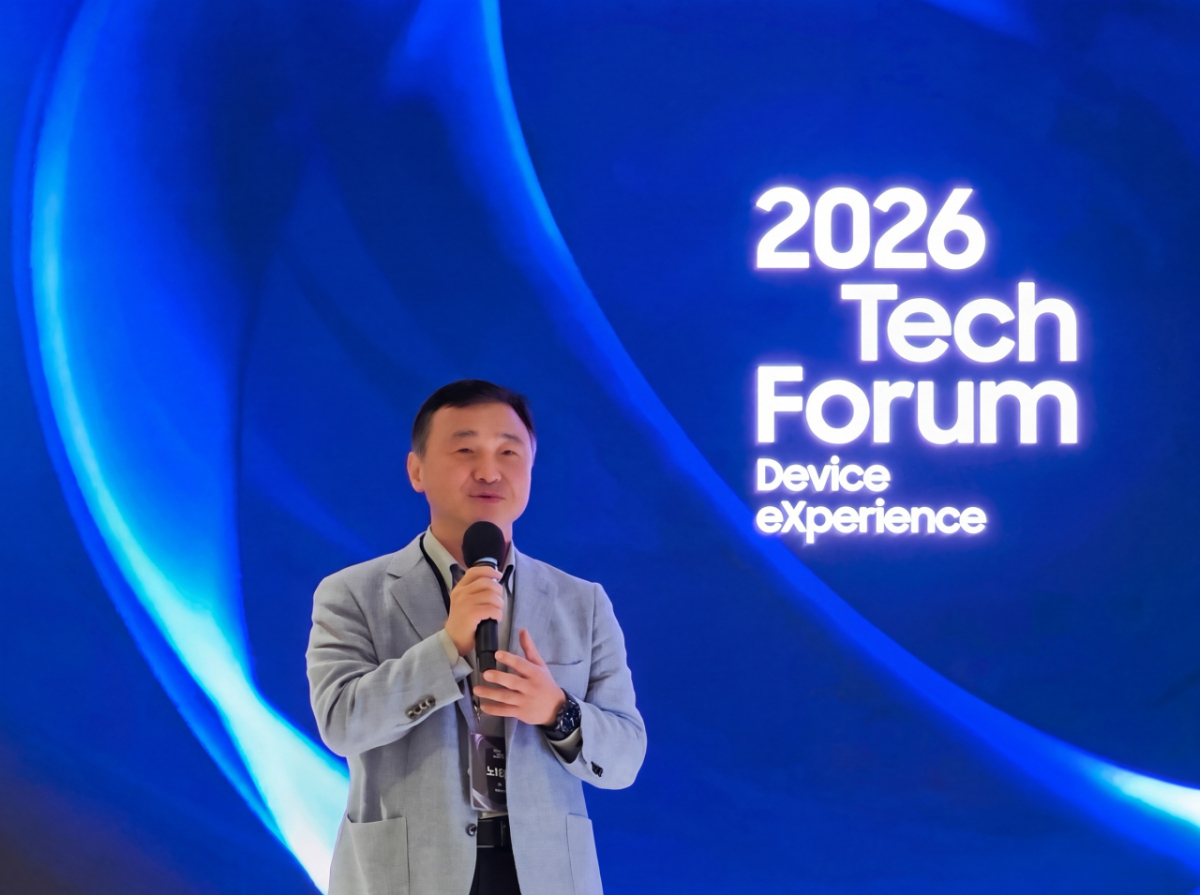
    As of September 20, 2026, Samsung Electronics says it laid out its mid- to long-term plan to merge AI and robotics at an internal tech event in California. The gathering brought together roughly 80 people, including Samsung executives and developers from overseas tech firms. Noh Tae-moon, who leads Samsung's Device eXperience division, said the goal is to extend AI into every part of daily life.

    ~80 attendeesPeople at the event, including executives and overseas developers
    8th editionNumber of times the event has been held to date

    Key points

    • The event took place at Samsung's Silicon Valley R&D lab on September 18 local time; Samsung shared the news domestically on September 20.
    • Now in its eighth year, the event drew around 80 attendees, including Samsung executives and developers from overseas tech firms.
    • DX Division CEO Noh Tae-moon attended alongside senior executives from the Visual Display, CTO, and Mobile eXperience units.
    • The event built on the 'AI companion for everyday life' vision Samsung first teased at January's CES trade show in Las Vegas.

    Samsung Electronics used the event to once again lay out its AI-centered business overhaul in public. According to the company, the gathering went beyond simply bolting AI features onto individual products like smartphones or TVs — it was meant to share a broader vision of AI supporting a consumer's entire day.

    Alongside Noh Tae-moon, who heads the Device eXperience (DX) division as CEO, the event drew a lineup of top division executives: Lee Won-jin, president of the Visual Display business; Yoon Jang-hyun, the chief technology officer shaping the company's tech strategy; and Choi Won-joon, chief operating officer overseeing the mobile business. That an executive lineup of this caliber turned out to engage directly with overseas developers signals how much weight Samsung is placing on this shift.

    The vision underpinning the event was first previewed at the world's largest consumer electronics show earlier this year. Rather than competing device by device, Samsung is aiming for AI that follows users and assists them wherever they are — at home, in the office, or on the move. In his keynote, CTO Yoon Jang-hyun walked through how that vision could evolve further when combined with robotics.

    Noh said in his remarks that AI has become an unavoidable trend, and that Samsung's goal is to build personalized, intelligent experiences for consumers in every space they occupy. He added that Samsung aims to be a company that leads this transition. Samsung said it plans to keep engaging with overseas tech talent through similar events going forward.

    In Korea right nowIn Korea, this move is widely seen as a bellwether for the broader semiconductor and consumer electronics industry. With smartphone and TV sales growth stalling, AI services and robotics are increasingly viewed as the variables that will determine Samsung's next earnings cycle. The fact that the event was held on the US West Coast — targeting overseas developers rather than a domestic audience — is also being read as a sign of how seriously Samsung is competing for global tech talent.

    FAQ

    Was this event a new product launch?

    No. It wasn't a product launch — it was a private tech-exchange event where Samsung executives shared their mid- to long-term AI and robotics strategy with overseas developers.

    Why was it held in the US instead of Korea?

    It took place at Samsung's local R&D facility, making it easier for overseas developers and IT industry figures in the Silicon Valley area to attend.

    When was this vision first introduced?

    It builds on the AI-powered everyday-life vision Samsung first unveiled at a consumer electronics show in the US earlier this year.

    📎 원문 보기 · Sources

    머니투데이 기사 이미지Samsung Unveils AI-Robot Vision at Silicon Valley Event머니투데이 · Sep 20, 2026삼성전자, 美 실리콘밸리서 테크 포럼 개최…AI·로봇 비전 공유 - 머니투데이Read the full story & photos at the source →

    매일경제 기사 이미지Samsung Unveils AI-Robot Vision at Silicon Valley Event매일경제 · Sep 20, 2026삼성의 다음 승부처는 ‘AI 일상’…노태문 “거스를 수 없는 대세” - 매일경제Read the full story & photos at the source →
  • AI’s ‘Continual Learning’ Redraws Memory Chip Map

    AI’s ‘Continual Learning’ Redraws Memory Chip Map

    As of September 19, 2026, the rise of 'continual learning' — AI that keeps absorbing new information even while it's serving users — is pushing memory chip demand beyond HBM into server DRAM and NAND. A global investment bank expects related demand to jump sharply next year, and Samsung Electronics and SK hynix are already rolling out competing new technologies to meet it.

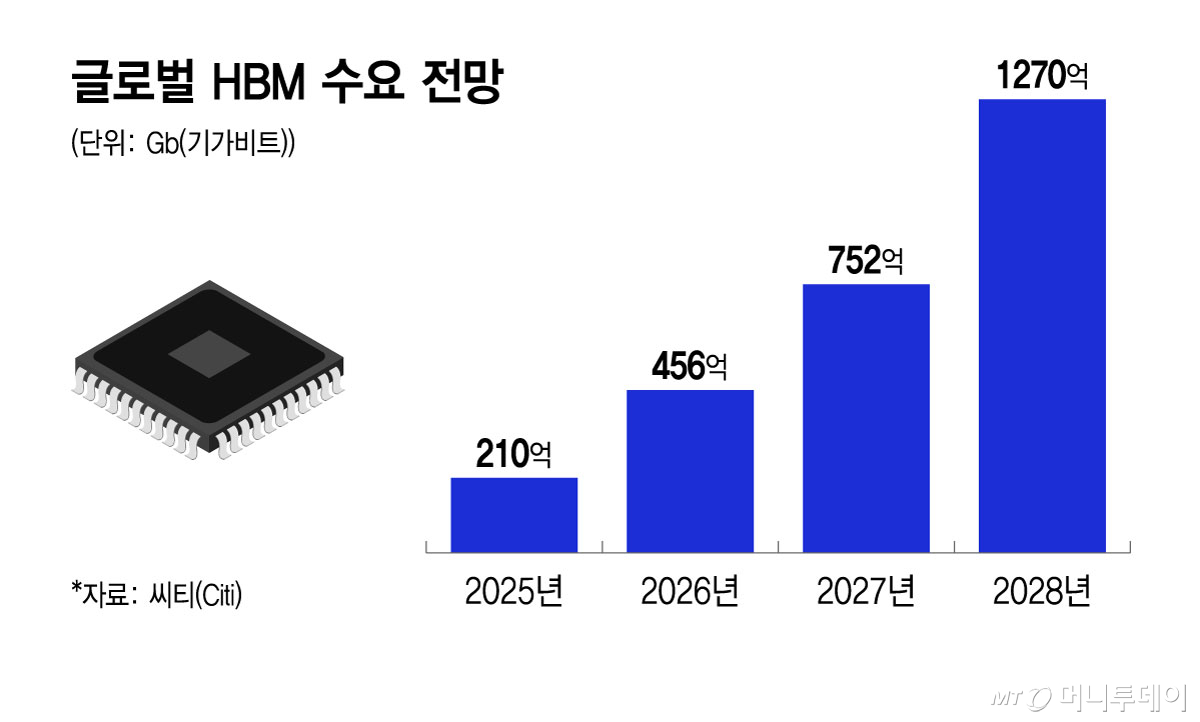
    1.6xNext year's HBM bit demand vs. this year (Citi forecast)
    2.8x2028 HBM demand vs. this year (Citi forecast)
    6.42%↑SK hynix share price gain on Sept. 18
    42%↑Y/Y growth in AI-related goods trade, Q1 2026 (WTO)

    Key points

    • 'Continual learning,' where AI models keep training even as they answer queries, has emerged as a wildcard reshaping memory demand.
    • Citigroup expects HBM bit demand to run about 1.6x this year's level next year, and nearly 2.8x by 2028.
    • Samsung showcased a stacked memory-on-accelerator design, while SK hynix unveiled in-memory computing tech, at a US industry event.
    • Korean chip megacaps surged after Nvidia's CEO spoke, and new thematic ETFs tied to the trend keep launching.

    The AI industry's newest buzzword is "continual learning" — an approach that blurs the once-clear line between training and inference. Traditional generative AI learns everything upfront, then just recalls it when answering. Continual-learning models keep absorbing new information even while actively serving users — industry insiders compare it to a student cramming new material mid-exam.

    That shift is rewriting memory chip demand. Citigroup expects the trend, once it takes hold, to push high-bandwidth memory (HBM) demand well beyond today's levels: bit demand next year could run roughly 1.6 times this year's, nearly tripling to 2.8x by 2028. Citi argues that even amid memory-spec adjustments and lingering AI-safety concerns, this shift is the key reason supply shortages could persist for years.

    The catch is that no single memory type can handle it alone. Models need to both ingest fresh data and repeatedly tap into vast stores of existing knowledge — and stashing everything in pricey HBM isn't realistic. That's expanding the role of server DRAM and NAND-based storage, and raising the stakes for tech that computes directly inside memory chips.

    Samsung Electronics and SK hynix both debuted new technology to address this at a US AI infrastructure event. Samsung showed off "zHBM," a stacked design that places memory directly atop accelerator chips to shrink data-travel distance, targeting roughly 10x faster response times. SK hynix showcased PIM (processing-in-memory) tech, along with SALT-KV — which sorts data into different storage tiers by type — and a high-bandwidth flash architecture concept.

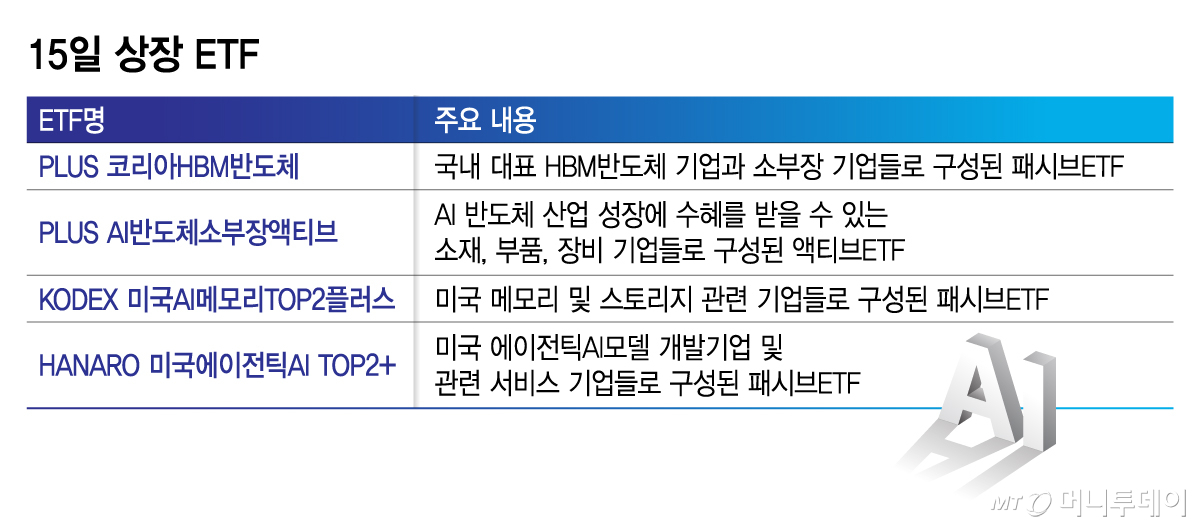
    Markets are already pricing this in. Shares of both companies jumped after Nvidia's CEO said next year's chip sales could double this year's. Meanwhile, Korean markets have seen a wave of new ETFs tracking US memory makers and HBM-linked stocks. WTO data shows AI-related goods trade climbing 42% year-over-year in Q1 — far outpacing other categories — adding fuel to the bullish demand outlook.

    In Korea right nowKorean investors are riveted by the chip-stock rally and the ETF gold rush it's spawned — several new funds tracking US memory makers or domestic HBM plays launched just this week. Brokerages argue AI infrastructure spending will keep climbing even with high interest rates, though some analysts warn the market's now flooded with near-identical thematic products that don't really differentiate themselves.

    FAQ

    What is 'continual learning'?

    It's an approach where AI keeps learning from new data even while actively serving users, blending it with existing knowledge — effectively erasing the old line between training and inference.

    Why does this matter for Samsung and SK hynix?

    Because AI memory demand could broaden well beyond the HBM market the two companies already dominate, extending into server DRAM and NAND-based storage.

    Could an 'AI slowdown' narrative derail memory demand?

    Some have floated the idea of AI spending cooling off, but there's no evidence of actual order cutbacks yet, and analysts say it would be hard for the whole industry to slow down in lockstep.

    📎 원문 보기 · Sources

    머니투데이 기사 이미지AI’s ‘Continual Learning’ Redraws Memory Chip Map머니투데이 · Sep 19, 2026AI 속도조절론에도…'계속 배우는 AI'가 메모리 반도체 판 키운다 - 머니투데이Read the full story & photos at the source →
    머니투데이 기사 이미지AI’s ‘Continual Learning’ Redraws Memory Chip Map머니투데이 · Sep 19, 2026'반등도 AI부터…' AI·반도체 ETF 출시 이어진다 - 머니투데이Read the full story & photos at the source →
    머니투데이 기사 이미지AI’s ‘Continual Learning’ Redraws Memory Chip Map머니투데이 · Sep 19, 2026AI 속도 조절론 vs 젠슨 황…반도체주 다시 달릴까? - 머니투데이Read the full story & photos at the source →
    한국경제 기사 이미지AI’s ‘Continual Learning’ Redraws Memory Chip Map한국경제 · Sep 19, 2026AI 덕에 한국 대박 났는데…"이미 위험한 단계" 섬뜩한 경고 [김주완의 글로벌머니 X파일]Read the full story & photos at the source →

  • Deepfake-Busting AI Startup SteelCut Wins Top Prize

    Deepfake-Busting AI Startup SteelCut Wins Top Prize

    As of September 18, 2026, deepfake-detection startup SteelCut has won the top prize at a government-run AI startup competition for its two-part security tech, which blocks manipulation before AI content is made and flags deepfakes after the fact. The contest, designed to connect cash-strapped early-stage startups with investors, drew far more competition this year, with applicant numbers nearly tripling.

    268 companiesStartups that applied this year
    33.5-to-1Odds of making the finals
    80 million won (~$58,000)Total prize pool split among the 8 finalists

    Key points

    • SteelCut showed off a two-layer security solution: one part blocks manipulation before AI content gets made, the other catches deepfakes after the fact.
    • The finals were held at Texfair Hall inside Seoul's Textile Center on September 17.
    • Eight companies made it to the finals out of 268 total applicants.
    • Second prize went to Quantum Hitech, which built an AI platform that estimates a battery's remaining lifespan without taking it apart, and third prize went to autonomous-driving software maker Motif Drive.

    The contest's full name is the Adventurous and Challenging AI Startup Investment Discovery Competition. South Korea's Ministry of Science and ICT (MSIT) put it together, with the Korea Telecommunications Operators Association (KTOA) — whose members include the country's three major mobile carriers — running the show day to day. Rather than leaning on revenue or funding track records, judges weigh how solid the technology is, how original the business model is, and how much room a company has to grow.

    Now in its second year, the competition had a breakout run: applicants jumped from 91 last year to 268, pushing the odds of making the finals past 33-to-1. The surge in interest was enough for organizers to upgrade the top prize to a Deputy Prime Minister and Minister's Award.

    Eight finalists who cleared the preliminary round faced off on September 17 at Texfair Hall inside Seoul's Textile Center. SteelCut, with its deepfake prevention and detection tech, took the top spot. Quantum Hitech, which built an AI platform that estimates a battery's remaining lifespan without taking it apart, placed second, and autonomous-driving software maker Motif Drive placed third. Five more teams picked up honorable mentions: voice-phishing detection service MetaCloud, manufacturing-floor AI infrastructure builder AllInCarbon, image-and-video generation platform Ziro, fintech-for-foreigners startup CrossHub, and construction-automation firm PlanBy Technologies.

    Beyond the trophies, all eight finalists get a shot at funding through a pool backed by the mobile carriers. Organizers also announced a new fund aimed at early-stage companies, with priority going to startups under three years old and this year's winners. The top three teams get extra perks too: dedicated office space and a spot at overseas investor pitch events.

    In Korea right nowWith concerns over deepfake harm growing across South Korea, interest in technology that can catch and stop it has grown right alongside it. The sharp jump in applicants this year is widely read as a reflection of that anxiety. With the government now planning a dedicated fund for early-stage startups, more founders are expected to jump into AI security in the months ahead.

    FAQ

    What does SteelCut do?

    It's a Korean startup that built a two-part security solution: one layer stops AI-generated images and videos from being manipulated before they're created, and the other detects deepfakes after the fact.

    What kind of event is this competition?

    It's a government-run contest designed to find early-stage AI startups with strong technology and growth potential — even without much revenue or funding history — and connect them with investors.

    What do winners get?

    Cash prizes plus a shot at investment through a fund backed by South Korea's three mobile carriers; the top three teams also get office space and a seat at overseas investor pitch events.

    📎 원문 보기 · Sources

    매일경제 기사 이미지Deepfake-Busting AI Startup SteelCut Wins Top Prize매일경제 · Sep 18, 2026AI가 딥페이크 잡는다…‘스틸컷’, 과기정통부 스타트업 대회 대상 - 매일경제Read the full story & photos at the source →
    동아일보 기사 이미지Deepfake-Busting AI Startup SteelCut Wins Top Prize동아일보 · Sep 18, 2026정부 AI 스타트업 대회서 ‘딥페이크 보안’ 떴다…스틸컷, 33대 1 뚫고 우승Read the full story & photos at the source →

  • SK Hynix Workers Approve Revised Wage Deal

    SK Hynix Workers Approve Revised Wage Deal

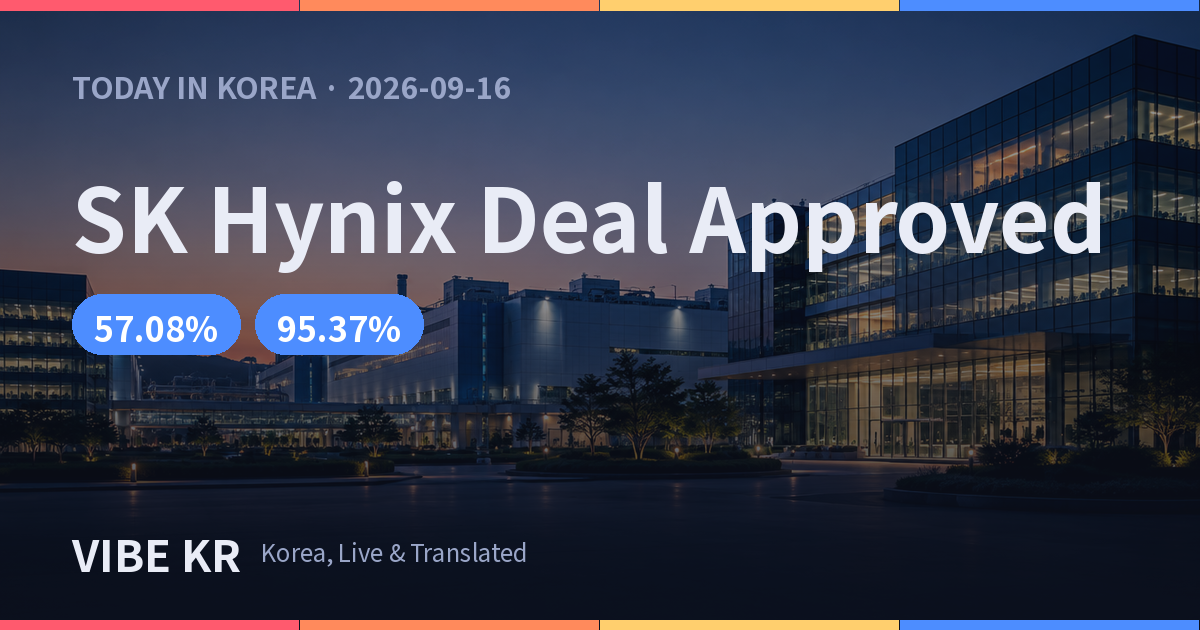
    As of September 16, 2026, SK Hynix's labor union passed a revised wage and collective bargaining agreement with 57.08% approval in a two-day member vote. The result comes about three weeks after an initial deal was narrowly voted down on August 25, with the key fix being a bump in the cash portion of profit-sharing bonuses from 40% to 50%.

    57.08%Member approval rate for the revised agreement
    95.37%Voter turnout in the revote
    50% cashCash share of profit-sharing bonus (up from 40%)
    About 3 weeksTime from the first rejection to the revote's passage

    Key points

    • Of the union's 16,039 members, 15,297 cast ballots for a 95.37% turnout, with the measure passing 8,731 votes to 6,566.
    • The original late-August tentative agreement failed by just 25 votes among production workers, even as office and technical staff approved it by nearly two-thirds.
    • The revised deal rebalances the cash-to-stock ratio for profit-sharing bonuses to 50-50 and lets workers convert their cash portion into stock in 10-percentage-point increments.
    • Management and the union also agreed to pay out deferred bonuses originally scheduled to be split across the next two years all at once.

    SK Hynix's new wage and collective bargaining agreement has cleared a member vote, effectively wrapping up this year's negotiations. After the first tentative deal stalled at the ballot box on August 25, management and the union spent roughly two weeks back at the table before unveiling a revised proposal on September 9. That proposal went to a two-day member-wide vote on September 15 and 16, and it passed comfortably, with more than half the vote.

    The final tally showed 8,731 votes in favor, or 57.08% of the total, against 6,566 opposed. Of the 16,039 eligible voters, 15,297 cast ballots, for a turnout above 95%. In the late-August vote on the original deal, production workers split 7,510 to 7,535, sinking the agreement by just 25 votes, while office and technical staff approved the same deal with more than 66% in favor — exposing a sharp divide between job categories.

    At the heart of the revised deal is a change to how profit-sharing bonuses, known as PS, get paid out. The original proposal split payouts 40% cash and 60% stock; the revision moves that to an even 50-50 split. On top of that, workers can now convert their cash portion into stock in 10-percentage-point increments, meaning anyone who wants their entire bonus in stock can now choose that option. The two sides also agreed to pay out, all at once, the deferred bonus tied to last year's earnings that was originally set to be split across payouts next year and the year after — easing any cash-flow strain the payment-structure changes might have caused members.

    Ahead of the revote, management held more than 60 briefing sessions to explain the changes. The company said it was grateful to the union and employees for working through a difficult negotiation. The two sides plan to hold a formal signing ceremony before the Chuseok holiday to close out this year's labor talks, and the approval means they'll wrap up without any formal labor action.

    In Korea right nowAs one of Korea's flagship semiconductor makers, SK Hynix's labor outcome drew close attention across the industry. The split between production and office/technical workers over cash versus stock bonuses was widely read as a broader debate over how to divide profits during a chip-industry boom. Many are watching whether this settlement becomes a reference point for other major Korean companies' labor talks.

    FAQ

    What changed most in this year's agreement?

    The cash-to-stock split for profit-sharing bonuses moved from 40-60 to an even 50-50, and individual union members gained the option to convert part of their cash bonus back into stock.

    Why did the first agreement fail?

    Production workers voted it down by a razor-thin 25-vote margin, even though office and technical staff approved the same deal with more than 66% support — revealing a split between job categories.

    Does this mean SK Hynix will face a strike or other labor action?

    No. With the revised deal approved, this year's wage negotiations will wrap up without any formal labor action, and a final signing ceremony is planned before the Chuseok holiday.

    📎 원문 보기 · Sources

    동아일보 기사 이미지SK Hynix Workers Approve Revised Wage Deal동아일보 · Sep 16, 2026SK하이닉스 임단협 재투표 끝에 가결…성과급 현금 비율 40%→50%Read the full story & photos at the source →
    동아일보 기사 이미지SK Hynix Workers Approve Revised Wage Deal동아일보 · Sep 16, 2026SK하이닉스 임단협 수정안 가결…성과급 현금 50% 확정Read the full story & photos at the source →
    한국경제 기사 이미지SK Hynix Workers Approve Revised Wage Deal한국경제 · Sep 16, 2026SK하이닉스 임단협 3주 만에 수정안 가결…성과급 현금 50%Read the full story & photos at the source →
    한겨레 기사 이미지SK Hynix Workers Approve Revised Wage Deal한겨레 · Sep 16, 2026[속보] SK하이닉스 임단협 수정안 가결…성과급 현금 50%·주식 50%Read the full story & photos at the source →

  • Samsung Invests in Dutch AI Chip Startup Euclid

    Samsung Invests in Dutch AI Chip Startup Euclid

    As of September 15, 2026, Samsung Electronics has joined a fresh funding round for Euclid, a Dutch AI chip startup, as one of its lead backers. Euclid is a pre-revenue startup designing AI inference chips with an architecture that breaks from Nvidia's GPU design, and hasn't shipped physical silicon yet. The move fits a pattern of Samsung steadily backing Dutch chip startups.

    About ₩310 billion (~$220M)Size of Euclid's new funding round that Samsung joined
    2028Year Euclid targets for its first physical chip
    $450 million+Total funding Axelera AI has raised with Samsung's backing

    Key points

    • Per CNBC, Samsung joined Euclid's €200 million funding round alongside Somerset Capital Partners and EQT's Scale-Up Europe Fund.
    • Founded in 2024, Euclid is designing AI inference chips with a redesigned processor and memory architecture, targeting a 2028 launch for physical chips.
    • Samsung has also backed the Dutch edge-AI firm Axelera AI since 2024; Axelera has raised more than $450 million total after its latest round.
    • Samsung Electronics recently partnered with France's Mistral AI too, expanding its European AI investments to co-develop AI models specialized in chip design and manufacturing.

    Euclid, the company Samsung just backed, is drawing attention for trying to break away from the GPU-centric architecture that has defined the AI chip market. Unlike existing AI accelerators, it's redesigning not just the processor that handles computation but also the memory architecture that stores and moves data — a different approach from the ground up, industry watchers say. Still, it's early days: the product hasn't launched and hasn't been tested at commercial scale.

    Industry observers read Samsung's participation as a bet on the next generation of AI accelerators. As major tech companies — Google, Meta, Microsoft among them — build their own chips to cut reliance on any single GPU maker, partnering with a startup pursuing a different chip architecture gives Samsung a foothold that could translate into future memory supply deals or foundry contracts.

    This isn't Samsung's first move like this. The company has previously put money into another Dutch edge-AI chipmaker. That company's chips are manufactured using Samsung Foundry's advanced process nodes, and Samsung's venture arm returned as an existing investor in that startup's latest funding round as well.

    Samsung's European AI bets extend beyond chip startups. It has also struck a strategic partnership with a major French AI startup to jointly build AI models specialized for chip design and manufacturing, broadening its investments across both hardware and software.

    In Korea right nowIn Korea, many read this investment as Samsung reaching beyond its stronghold in memory chips to try to claim a foothold in the next wave of AI silicon. The thinking: build relationships with promising startups early, in case the AI industry's heavy dependence on one GPU maker shifts. The timing — as Samsung's foundry business badly needs a competitiveness boost — is also drawing notice.

    FAQ

    What is Euclid?

    A Dutch AI chip startup founded in 2024 that's developing AI inference chips with an architecture different from standard GPUs, targeting a physical product launch in 2028.

    How does this relate to Nvidia?

    Euclid's chip design departs from the GPU architecture that made Nvidia central to the AI market, which is drawing attention amid Big Tech's push to reduce GPU dependence.

    Is this Samsung's first investment in a Dutch startup?

    No — Samsung has invested in another Dutch edge-AI firm since 2024, and the Euclid investment is seen as an extension of that strategy.

    📎 원문 보기 · Sources

    한국경제 기사 이미지Samsung Invests in Dutch AI Chip Startup Euclid한국경제 · Sep 15, 2026삼성, 네덜란드 AI 칩 스타트업 투자…엔비디아 대항마 찾나Read the full story & photos at the source →
    헤럴드경제 기사 이미지Samsung Invests in Dutch AI Chip Startup Euclid헤럴드경제 · Jul 17, 2026삼성 파운드리, 네덜란드 악셀레라AI와 협업…엣지AI 시장 정조준Read the full story & photos at the source →
    thegurutheguruRead the full story & photos at the source →
    Samsung Invests in Dutch AI Chip Startup Euclid핀포인트뉴스 · Feb 24, 2026[단독] 삼성전자, 유럽 인공지능 스타트업 '악셀레라AI'에 추가 투자Read the full story & photos at the source →

  • LG Opens Middle East’s First B2B AI Home Space

    LG Opens Middle East’s First B2B AI Home Space

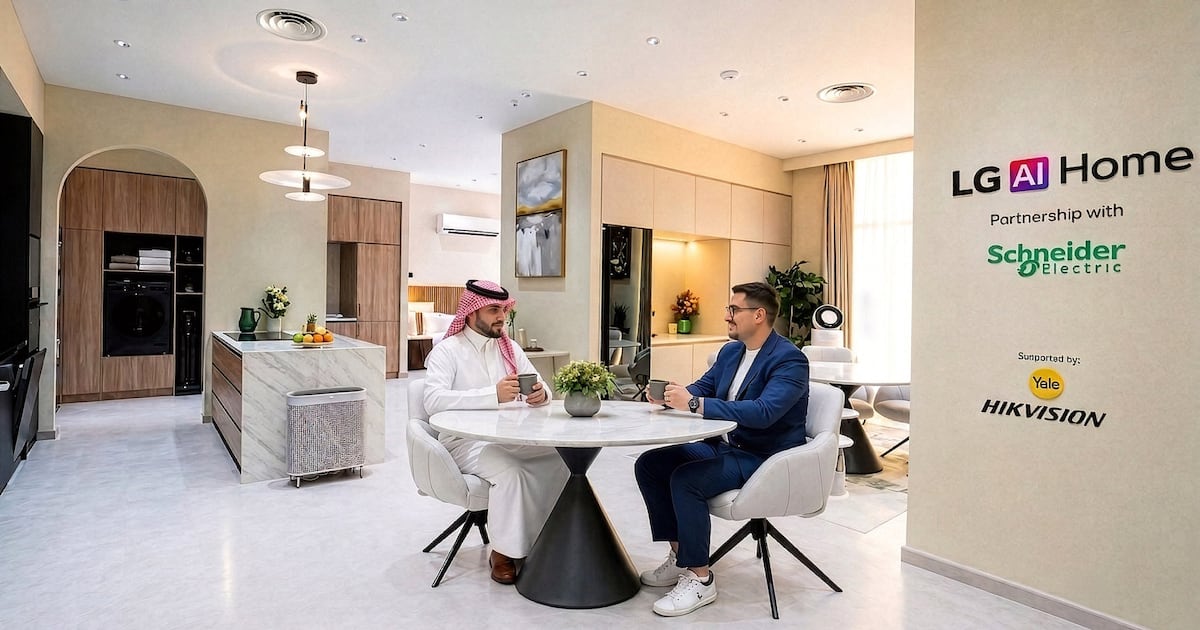
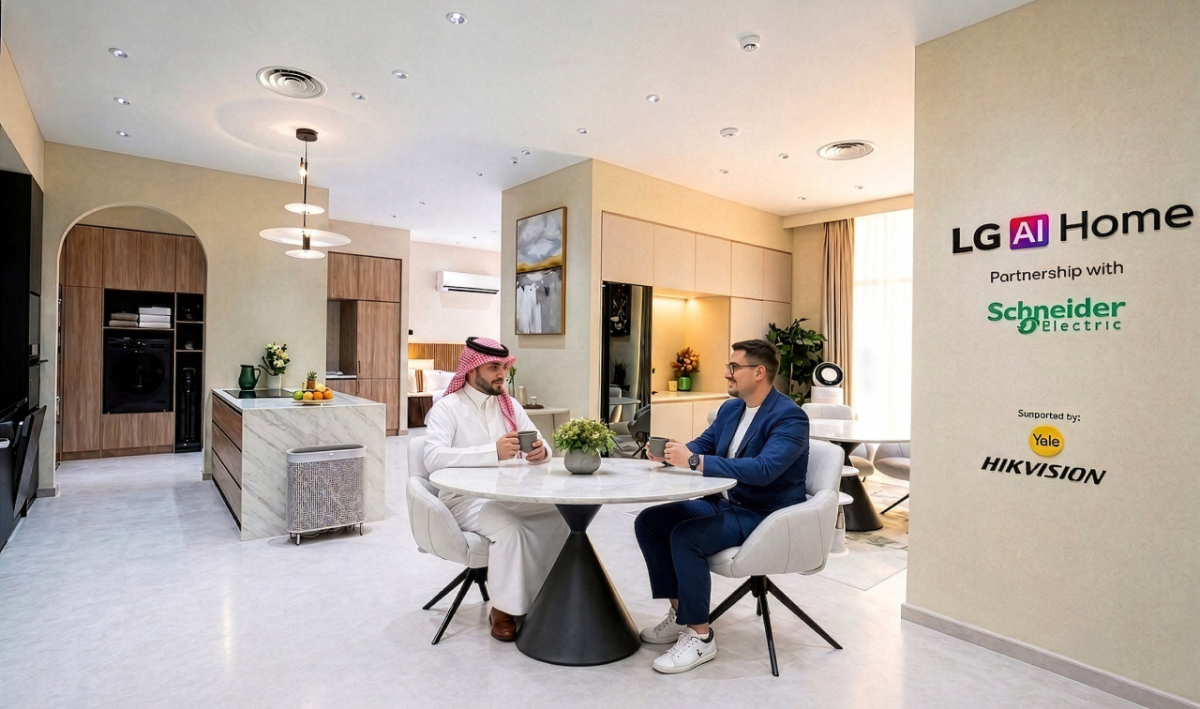
    As of September 14, 2026, LG Electronics says it has opened the Middle East's first B2B-only AI Home experience space inside its brand shop in the Saudi capital, targeting local construction firms and real estate developers. The showroom will expand to other major cities before year's end.

    About $2 billionEstimated size of Saudi Arabia's smart home market in 2024
    About $8.7 billionProjected size of Saudi Arabia's smart home market by 2030
    Roughly 27% annuallyExpected growth rate of the Saudi smart home market over that period

    Key points

    • The experience space sits inside LG's brand shop in Riyadh, Saudi Arabia, and is open exclusively to B2B clients.
    • The space is laid out like a real home, mixing region-specific built-in appliances with premium furniture.
    • Visitors can see the AI Home Hub demo voice-command control and integration with outside smart home platforms.
    • LG partnered with an energy management firm and a security company to show off an integrated building management solution spanning appliances, HVAC, power and security.

    Walk through the new space and it feels like touring an actual home, with each room styled for a different purpose. Ovens, range hoods and refrigerators come from LG's built-in lineup tailored to local tastes, paired with furniture from a lifestyle-brand partnership to round out the look. The idea is to let visitors see, not just hear about, a future-ready home where AI quietly learns residents' habits and adjusts conditions on its own.

    At the center of it all sits LG's AI Home Hub. Powered by generative AI, it lets you control the house by voice alone — no app-tapping required — and it links up with a smart home hub made by a Dutch company to pull together a wide range of IoT devices used across Europe, the Middle East and Africa. LG also brought in a global energy management firm and a global security company to show off a turnkey solution that manages appliances, heating and cooling, power and security all in one place.

    Behind the push is fast-growing local demand. Research firms have tracked Saudi Arabia's smart home market climbing sharply in recent years, with roughly 27% annual growth expected to continue through 2030. As smart buildings and luxury residential developments multiply across the kingdom, LG is using the new showroom as a launchpad to court local construction firms, real estate developers and hotel operators.

    LG says Saudi Arabia's location — a natural bridge between the Middle East and Africa — makes it a strategic regional hub, and the company plans to open similar touchpoints in other major cities, including Jeddah and Dammam, before the year is out. Back home, LG has partnered with major construction firms to roll out its solutions in more than 1 million apartment units; in North America it runs a dedicated brand for building managers, and in Europe it leans on an open smart home platform for energy management — each region getting its own playbook.

    In Korea right nowIn Korea, the construction and appliance industries are watching the Middle East's smart home boom closely. With a wave of major development projects underway across Saudi Arabia and the wider Gulf, a leading Korean appliance maker opening a dedicated regional showroom is being read as more than a product push — it looks like an attempt to export entire building-management solutions. An LG executive overseeing the effort said the showroom is meant to position the company as a trusted partner in the region's infrastructure boom.

    FAQ

    Can regular customers visit the new space?

    No — it's open exclusively to B2B clients like construction firms, real estate developers and hotels.

    What does the AI Home Hub actually do?

    It uses generative AI voice commands to control devices around the house and links with outside smart home platforms to unify a range of IoT devices.

    Why did LG choose Saudi Arabia as its first stop?

    Demand for smart buildings and luxury housing is surging there, and the country's location bridging the Middle East and Africa makes it a strong regional launchpad.

    📎 원문 보기 · Sources

    매일경제 기사 이미지LG Opens Middle East’s First B2B AI Home Space매일경제 · Sep 14, 2026LG전자, 사우디에 AI홈 체험공간 오픈…중동 첫 B2B 전용 - 매일경제Read the full story & photos at the source →
    조선일보 기사 이미지LG Opens Middle East’s First B2B AI Home Space조선일보 · Sep 14, 2026LG전자, 중동 첫 B2B 전용 AI홈 체험공간 마련Read the full story & photos at the source →
    헤럴드경제 기사 이미지LG Opens Middle East’s First B2B AI Home Space헤럴드경제 · Sep 14, 2026LG전자, 중동 첫 B2B 전용 AI홈 체험공간 오픈Read the full story & photos at the source →
    머니투데이 기사 이미지LG Opens Middle East’s First B2B AI Home Space머니투데이 · Sep 14, 2026LG전자, 사우디에 중동 첫 B2B 전용 AI홈 체험공간 열었다 - 머니투데이Read the full story & photos at the source →
    businesspostbusinesspostRead the full story & photos at the source →

  • LG Returns as Official Emmys TV & Appliance Partner

    LG Returns as Official Emmys TV & Appliance Partner

    As of September 13, 2026, LG Electronics has held onto its spot as the official TV and appliance partner of the Emmy Awards — the top honor in US broadcasting — for a second straight year. The 78th edition of the ceremony kicks off Sept. 14 in Los Angeles, and LG is setting up a premium product showcase near the venue.

    78thEdition of the Emmy Awards this year
    2nd yearConsecutive year LG has served as official Emmys partner

    Key points

    • LG Electronics announced Sept. 13 that it has renewed its partnership with the Television Academy to remain the Emmys' official TV and appliance partner.
    • The ceremony airs Sept. 14 at the Peacock Theater in Los Angeles, where LG is opening a Signature influencer lounge nearby.
    • The lounge will display the OLED evo AI TV, Signature refrigerators, and the Signature Styler.
    • LG is also running special Emmys banners on its webOS smart TV platform and its free ad-supported streaming service, LG Channels.

    LG Electronics said Sept. 13 that it's once again the official TV and appliance partner of the Emmy Awards, widely considered the top honor in American broadcasting. The company is extending its partnership with the Television Academy for another year, and this time it's expanding the deal beyond TVs to cover home appliances too.

    This year's ceremony takes place Sept. 14 at the Peacock Theater in Los Angeles. Near the venue, LG is setting up a Signature influencer lounge stocked with its latest lineup, including the OLED evo AI TV, along with Signature appliances like the Essence White refrigerator and the Styler.

    The company plans to produce behind-the-scenes footage of actors and creators visiting the lounge. On top of that, its webOS smart TV platform and free ad-supported channel service, LG Channels, will feature a dedicated banner highlighting past winners and this year's nominees.

    Kwak Do-young, LG's North America regional president, said the goal is to use the picture quality of its OLED technology and its Signature appliances to deliver an elevated living experience to consumers around the world. First held in 1949, the Emmy Awards mark their 78th edition this year as the leading showcase for achievement in American TV and drama.

    In Korea right nowIn Korea, there's interest in how a domestic appliance maker has sustained a multi-year partnership with one of Hollywood's marquee award shows. Some see it as part of a broader push to build brand recognition in the premium appliance market.

    FAQ

    What are the Emmy Awards?

    First held in 1949, the Emmys are the top US award show for television and broadcasting, recognizing outstanding shows, performers and crews each year.

    What's LG's role?

    As official TV and appliance partner, LG handles product displays, on-site content production, and banners on its smart TV platform.

    When and where is the ceremony?

    It's held Sept. 14 (local time) at the Peacock Theater in Los Angeles.

    📎 원문 보기 · Sources

    연합뉴스 · Sep 13, 2026LG전자, 미국 에미상 공식 TV·가전 파트너 선정 | 연합뉴스Read the full story & photos at the source →
    조선일보 기사 이미지LG Returns as Official Emmys TV & Appliance Partner조선일보 · Sep 13, 2026LG전자, 美 에미상 공식 ‘TV·가전 파트너’ 선정Read the full story & photos at the source →
    머니투데이 기사 이미지LG Returns as Official Emmys TV & Appliance Partner머니투데이 · Sep 13, 2026LG전자, 美 에미상 공식 ‘TV·가전 파트너’ 선정 - 머니투데이Read the full story & photos at the source →