Category: K-Now

  • Trump Voices Frustration Over Korea’s Hormuz Refusal

    Trump Voices Frustration Over Korea’s Hormuz Refusal

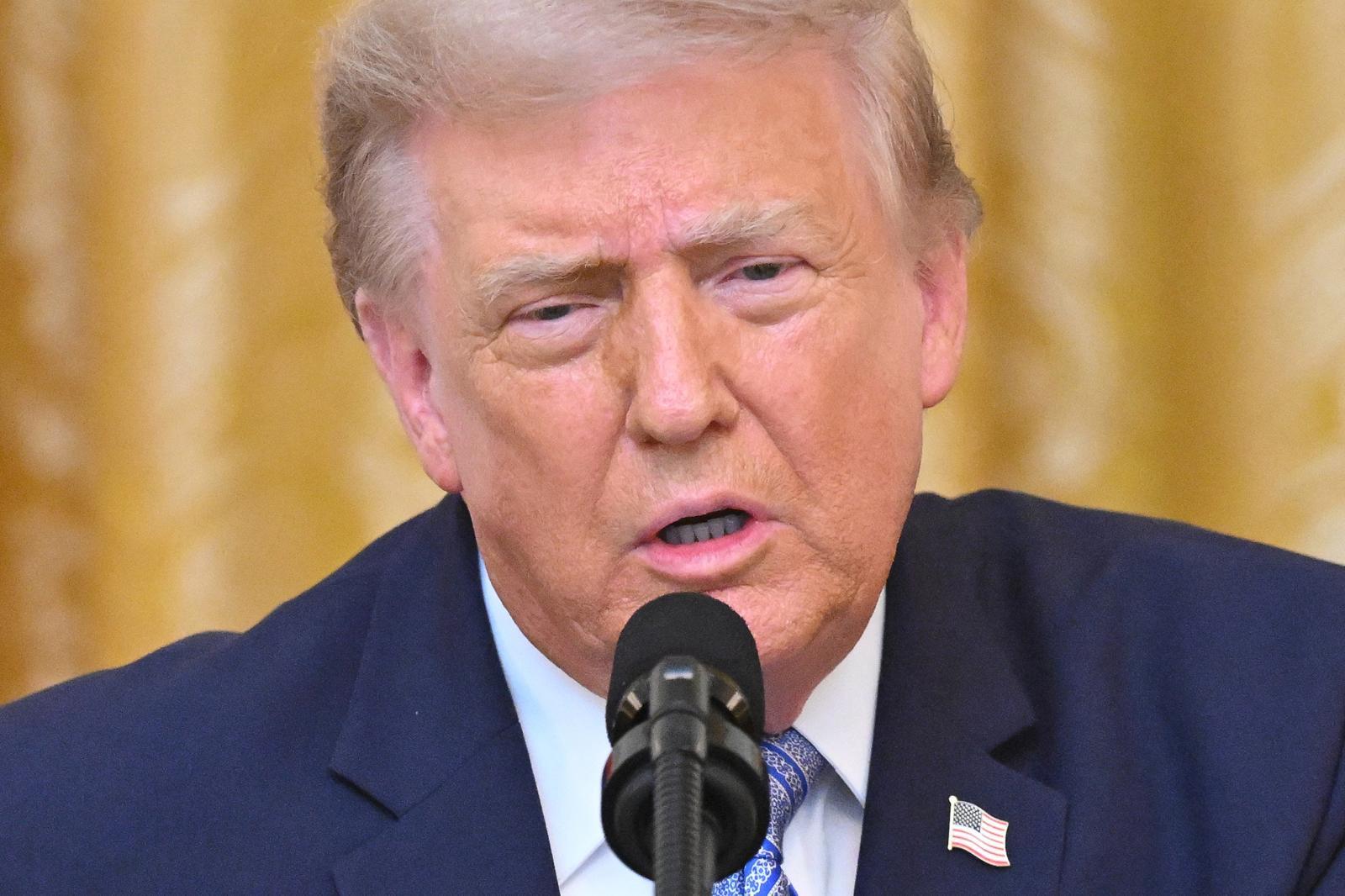
    As of August 20, 2026, President Trump has spent a second straight day airing frustration that South Korea declined to send support to the Strait of Hormuz. He claimed Korea relies on the strait for 60% of its oil imports, while President Lee Jae-myung reaffirmed on social media that Seoul is still working out meaningful ways to help.

    60%Share of Korea's oil imports Trump said pass through the Strait of Hormuz
    57Nuclear weapons Trump said North Korea possesses

    Key points

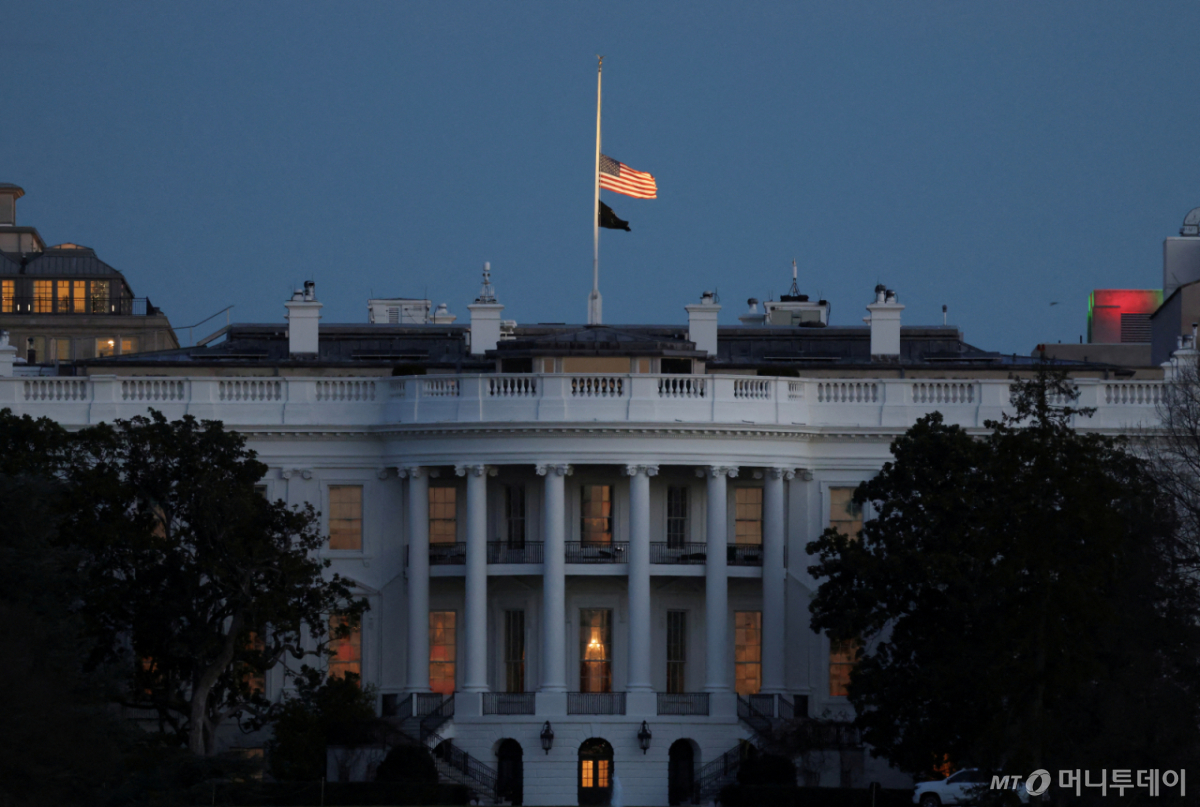
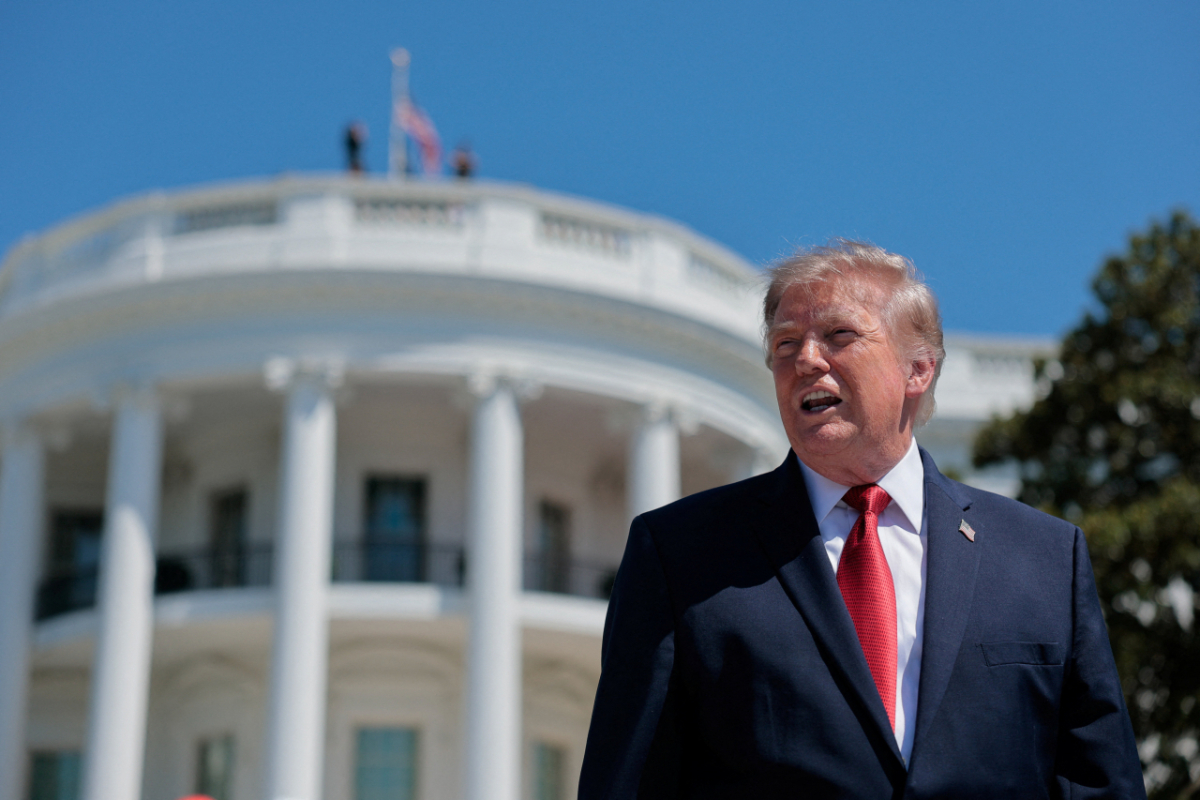
    • Speaking to reporters at the White House on August 19 U.S. time, Trump again said he was disappointed to learn Korea had turned down the request to send support to the Strait of Hormuz.
    • He argued the request was justified because Korea imports roughly 60% of its oil through the strait.
    • The same day, President Lee posted on his personal social media account that Korea's government has continued discussing meaningful contributions with Washington within the bounds of domestic law and policy.
    • Earlier that morning, in separate remarks, Trump said North Korea holds 57 formidable nuclear weapons and that he wants to meet Kim Jong Un before the year is out.

    Korea's decision not to send a warship to the Strait of Hormuz at Washington's request is back in the spotlight. Speaking to reporters at the White House on August 19 U.S. time, Trump said he wasn't happy when he learned Korea had turned the request down. It's the second day in a row he's brought it up — a day earlier he'd disclosed details of a call with President Lee Jae-myung while signaling his displeasure — and he again cited Korea's heavy reliance on the strait for oil imports as the basis for the ask.

    President Lee responded the same day with a post on his own social media account. He reiterated that Korea's government has repeatedly signaled its willingness to help normalize passage through the strait alongside the international community, and said Seoul would keep working with Washington on meaningful contributions within the limits of domestic law and policy. He added that he looks forward to meeting Trump again soon in the United States.

    In the same White House exchange, Trump also touched on his relationship with Kim Jong Un. He said Kim, unlike Korea's past leaders, has maintained a friendly rapport with him personally — but added he wasn't thrilled that large-scale U.S.-led military exercises targeting North Korea have continued despite that rapport. He said he doesn't expect any major crisis during the remainder of his term. Asked whether denuclearization remains the ultimate goal of restoring ties with Kim, he declined to give a direct answer.

    Earlier that same morning, in separate remarks, Trump said North Korea possesses 57 formidable nuclear weapons and signaled he wants to meet Kim before the end of the year. It's the first time he's put a specific number on North Korea's arsenal, a move some read as breaking from Washington's longstanding official position of pursuing complete denuclearization. Trump met Kim three times during his first term without a major breakthrough, and North Korea has long insisted it won't return to talks unless it's recognized as a nuclear power.

    In Korea right nowIn Korea, officials continue to affirm cooperation in principle while stopping short of committing troops — a stance foreign-policy watchers say could grow harder to sustain as Trump keeps applying public pressure. At the same time, his first-ever specific figure for North Korea's nuclear arsenal is drawing attention for what it might signal about the future of U.S. denuclearization policy.

    FAQ

    Why does the Strait of Hormuz matter to Korea?

    It's a critical shipping lane for oil produced in the Persian Gulf. Trump claims Korea relies on the strait for roughly 60% of its oil imports.

    How did Korea respond to the U.S. request for troops?

    Korea didn't agree to the request as originally framed, including sending a warship, but says it will keep discussing meaningful contributions with Washington within the bounds of domestic law and policy.

    Why is the "57 nuclear weapons" comment getting attention?

    Washington has officially maintained complete denuclearization as its goal for North Korea, so putting a specific number on its arsenal is being read by some as an implicit acknowledgment of North Korea as a nuclear-armed state.

    📎 원문 보기 · Sources

    한국경제 기사 이미지Trump Voices Frustration Over Korea’s Hormuz Refusal한국경제 · Aug 20, 2026트럼프 "한국, 호르무즈 지원 거절 기분 안좋아"…재차 불만 표출Read the full story & photos at the source →
    머니투데이 기사 이미지Trump Voices Frustration Over Korea’s Hormuz Refusal머니투데이 · Aug 20, 2026트럼프 "한국, 호르무즈 지원 거절해 불쾌"…이틀만에 또 불만 표출 - 머니투데이Read the full story & photos at the source →
  • SK Hynix to Cancel $29B in Stock, Eyes Dividend Hike

    SK Hynix to Cancel $29B in Stock, Eyes Dividend Hike

    As of August 20, 2026, SK Hynix has committed to spending 40 trillion won (roughly $29 billion) to buy back its own shares and cancel them entirely. The move covers 24.07 million shares — about 3.3% of shares outstanding — making it the largest treasury-stock cancellation ever carried out by a Korean listed company. The chipmaker says it's also weighing a bigger cash dividend.

    40 trillion won (~$29B)Total earmarked for the buyback and cancellation
    24.07 million sharesShares to be canceled
    3.3%Share of shares outstanding being retired
    69 trillion won (~$50B)Net cash on hand as of end-Q2 2026

    Key points

    • The board approved buying back 24.07 million shares — 3.3% of shares outstanding — on the open market and canceling all of them.
    • The buyback is valued at roughly 40 trillion won (about $29 billion), based on the previous day's closing price of 1,662,000 won (about $1,200) per share.
    • Purchases run for about three months starting August 20, with the shares retired once buying wraps up.
    • SK Hynix raised its shareholder-return floor from up to half of three-year cumulative free cash flow to at least half.

    SK Hynix's board just signed off on one of the biggest capital-return moves in Korean corporate history. The chipmaker will buy 3.3% of its own outstanding shares directly on the market and retire every one of them once the purchases wrap up, shrinking the total share count for good. At the previous day's closing price, the price tag comes to roughly 40 trillion won ($29 billion) — the largest treasury-stock cancellation by won amount ever announced by a company listed on Korea's stock exchange.

    The buyback isn't the only lever SK Hynix is pulling. The company is also weighing an increase to its cash dividend, including both its regular payout and special dividends, with specifics on size and timing to be announced alongside third-quarter (July–September) earnings. On top of that, SK Hynix raised the floor on its shareholder-return policy, pledging to return at least half — up from a prior cap of "up to half" — of cumulative free cash flow over the next three years.

    The timing traces back to a widening gap between fundamentals and share price. SK Hynix has been posting record quarterly earnings on the back of a red-hot memory-chip market, with net cash around 69 trillion won ($50 billion) as of the end of the second quarter — yet its stock has fallen more than 10% over the past month. The company said its business competitiveness, cash-generating power, and mid-to-long-term growth potential aren't fully reflected in the current share price, prompting it to move up a shareholder-return plan that was already in the works.

    Still, some investors see room for more. Rivals in next-generation memory, U.S.-based Micron and SanDisk, have pledged to return all leftover cash — after operations and capital spending — to shareholders, making SK Hynix's move look comparatively modest by contrast. But with the exact dividend figures still unannounced, analysts say the full scope of the shareholder-return package will hinge on what the company reveals later this year.

    In Korea right nowDomestic investors are largely reading the move as a signal meant to defend the stock price. Despite record-breaking earnings, shares have wobbled recently, and the company's unusually large buyback is being interpreted as a direct pushback against the idea that SK Hynix is undervalued. Still, with the dividend details yet to be finalized, some analysts are urging caution until the follow-up announcement lands with third-quarter earnings.

    FAQ

    What does it mean to "cancel" treasury shares?

    It means the company permanently retires shares it bought back from the market, shrinking the total number of shares outstanding — which effectively raises the value of each remaining share.

    Why announce such a large buyback now?

    SK Hynix said that despite strong earnings and cash generation, its stock has dropped sharply over the past month, so it decided to move up a shareholder-return plan that was already in the pipeline.

    What happens with dividends going forward?

    The exact size and structure of the cash dividend haven't been finalized. SK Hynix says it will share details when it reports third-quarter (July–September) earnings.

    📎 원문 보기 · Sources

    동아일보 기사 이미지SK Hynix to Cancel B in Stock, Eyes Dividend Hike동아일보 · Aug 20, 2026SK하이닉스, 40조 자사주 소각… 현금배당도 검토Read the full story & photos at the source →
    경향신문 기사 이미지SK Hynix to Cancel B in Stock, Eyes Dividend Hike경향신문 · Aug 19, 2026SK하이닉스, 40조 자사주 취득·전량 소각…‘역대급’ 주주환원Read the full story & photos at the source →

  • Ex-Samsung Researcher: CXMT Was Built to Steal Tech

    Ex-Samsung Researcher: CXMT Was Built to Steal Tech

    As of August 19, 2026, a former Samsung Electronics researcher who was a founding member of Chinese DRAM maker CXMT (ChangXin Memory Technologies) has testified in court that the company aimed to absorb Samsung's chipmaking know-how from the moment it was established. The witness himself was already handed a stiff sentence in a separate trial for leaking Samsung technology.

    1.6 trillion won (~$1.2B)Amount Samsung invested to develop the leaked 18nm DRAM process
    618 stepsNumber of DRAM production process steps targeted in the leak
    7 yearsPrison sentence handed to the former researcher in the first trial
    No. 4 worldwideCXMT's ranking in global DRAM market share

    Key points

    • Former Samsung Electronics researcher Jeon (56), a founding member of CXMT, testified as a witness at the Seoul Central District Court on August 11.
    • He testified that CXMT's management aimed from the outset to acquire Samsung's DRAM process know-how, without building its own R&D labs or production lines.
    • The leaked material reportedly covered 618 steps of the 18-nanometer DRAM process that Samsung spent 1.6 trillion won (about $1.2 billion) to develop.
    • Jeon was indicted for handing over the technology after moving to CXMT in 2016, and was sentenced to seven years in prison in a first-trial ruling this past April.

    Startling testimony has emerged in the criminal trial over technology leaks from Samsung Electronics to Chinese chipmaker CXMT (ChangXin Memory Technologies). Jeon, 56, a former Samsung Electronics researcher who was among the company's founding members, took the stand on August 11 before the Seoul Central District Court's 32nd Criminal Division (Presiding Judge Ryu Kyung-jin) and testified that CXMT's leadership had planned from the very beginning to build its products by absorbing Samsung's technology. According to his account, the company had no independent research division or production facilities when it was founded, and showed no real intent to develop its own technology.

    Jeon also testified that the company's internal reporting structure differed depending on employees' country of origin. He said staff complained internally that reports written by Taiwanese employees were accepted at face value, while material from Korean employees was routinely dismissed. The information at issue in this case reportedly contains core details on 618 individual steps involved in DRAM manufacturing.

    Jeon himself is one of the defendants in the case. After 28 years at Samsung Electronics, he moved to CXMT in 2016 and was accused of illegally passing along information related to Samsung's 18-nanometer DRAM process — technology the company spent 1.6 trillion won (about $1.2 billion) to develop. He received a heavy seven-year prison sentence in his own first-trial ruling this past April. Notably, he did not disclose evidence of organized corporate involvement during his own trial but changed his account when testifying in a co-defendant's case, raising questions about whether he'll offer further testimony once his appeal begins.

    Prosecutors, who have been investigating since 2024, have indicted roughly a dozen development staff, including Jeon, on charges including leaking core national technology overseas. They believe CXMT grew rapidly by recruiting former Samsung employees and absorbing core technology, and that this pipeline of expertise helped the company become the first Chinese firm to mass-produce 10-nanometer-class DRAM in 2023. As a result, within roughly a decade of its founding, the company climbed to fourth place worldwide in DRAM market share, behind Samsung Electronics and SK hynix.

    Legal experts say that if this testimony is accepted as fact, it could serve as evidence for Samsung to pursue trade-secret claims. That's fueling talk of filing a complaint against CXMT with the U.S. International Trade Commission (ITC), built on the record from Korea's domestic investigation and trial.

    In Korea right nowIn Korea, attention is focused on how this testimony points to an organized, company-level effort to acquire technology rather than the actions of a lone individual. The semiconductor industry has long warned that if process information designated as core national technology leaks abroad, Korean firms' technological edge could narrow quickly — making the trial's outcome, the coming appeal, and the possibility of an ITC complaint the industry's next flashpoints to watch.

    FAQ

    What kind of company is CXMT?

    It's China's largest DRAM manufacturer, which climbed to fourth place in global DRAM market share within roughly a decade of its founding, trailing only Samsung Electronics and SK hynix.

    Why does this testimony matter?

    It supports the idea that the Samsung technology leak may have been an organized, company-wide effort rather than an individual's actions — which could become grounds for future legal action.

    What punishment did the witness, Jeon, receive?

    He was sentenced to seven years in prison in a first-trial ruling this past April, and an appeal trial is expected to begin soon.

    📎 원문 보기 · Sources

    동아일보 기사 이미지Ex-Samsung Researcher: CXMT Was Built to Steal Tech동아일보 · Aug 19, 2026삼전 前직원 “中 CXMT, 설립때부터 삼성 기술 탈취 노려”Read the full story & photos at the source →
    한국경제 기사 이미지Ex-Samsung Researcher: CXMT Was Built to Steal Tech한국경제 · Aug 18, 2026"中 CXMT 설립 때부터 삼성전자 D램 기술 탈취"Read the full story & photos at the source →

  • Moody’s Lifts Korea Growth Forecast to 3.5% on Chips

    Moody’s Lifts Korea Growth Forecast to 3.5% on Chips

    As of August 18, 2026, Moody's has sharply raised its 2026 GDP growth forecast for South Korea to 3.5%, citing a semiconductor boom that's lasted longer than expected. The agency expects growth to cool to around 2.7% next year, with export growth as the main driver behind the upgrade.

    3.5%Moody's new 2026 GDP growth forecast for Korea
    2.7%Moody's 2027 GDP growth forecast for Korea
    51%Year-over-year growth in Korea's goods exports, January-July 2026
    3.8%Moody's projected fiscal deficit as a share of GDP this year

    Key points

    • Moody's raised its 2026 Korea growth forecast twice this year: from 1.8% in February to 2.5% in May, and now to 3.5%.
    • Moody's new figure tops the 3.2% average forecast from eight major investment banks tracked by Korea's International Finance Center.
    • Moody's cited a lack of real rivals to Korea in supplying premium memory chips as a key reason for the upgrade.
    • Korea's fiscal deficit is now projected at about 3.8% of GDP, a slight improvement from earlier targets.

    Moody's latest report puts this year's South Korea GDP growth forecast at 3.5% — nearly double the 1.8% figure the ratings agency was using just six months ago, after two rounds of upward revisions. The agency pointed to one main driver: a semiconductor boom that's lasting longer than almost anyone expected.

    The report says there's no real competitor that can replace Korean firms in the premium memory chip market, and that this supply edge should hold at least through mid-2027. Moody's also flagged that Korea's goods exports jumped more than 50% year-over-year in the January-July period, crediting the explosive growth of the chip sector as the main force behind that surge.

    The government's push to build out semiconductors, AI data centers and physical AI also drew a mention. Moody's described it as an effort to build new growth engines while easing Korea's heavy concentration around the greater Seoul area, calling it a consistent policy response to shifting technology trends. If it goes smoothly, the agency said, the strategy could also boost productivity and potential growth over time.

    On the fiscal side, the upgraded growth outlook and higher-than-expected tax revenue are expected to bring this year's budget deficit in slightly below target, near 3.8% of GDP. Still, the report warned that without structural reforms, rising mandatory spending tied to an aging population, defense and security costs, and investment needed to keep exports competitive could squeeze the budget over the long run.

    Moody's currently rates Korea at Aa2, the third-highest tier on its scale. The agency stressed this report is part of a routine review and doesn't signal any change — or pending change — to that credit rating.

    In Korea right nowWith investment banks racing to gauge how long the chip 'supercycle' will last, Moody's forecast stands out for coming in above the average of major institutions. Korea's export-heavy, chip-dependent economy — often seen as a risk — is now the very thing driving growth forecasts higher, and that's putting fresh attention on both the chip market and whether the government can keep its policy push going.

    FAQ

    Why did Moody's raise its Korea growth forecast by so much?

    Moody's pointed to sustained chip demand, a lack of real competitors in premium memory supply, and a sharp jump in exports in the first half of the year as the main reasons.

    Does this report change Korea's credit rating?

    No. Korea's rating stays at Aa2. Moody's said the report is a routine review and doesn't signal a rating change.

    How much longer is the chip boom expected to last?

    Moody's expects the current cycle to stay strong at least through mid-2027.

    📎 원문 보기 · Sources

    한국경제 기사 이미지Moody’s Lifts Korea Growth Forecast to 3.5% on Chips한국경제 · Aug 18, 2026"반도체 호황 내년 중반까지"…무디스, 韓 성장률 전망 대폭 상향Read the full story & photos at the source →
    이데일리 기사 이미지Moody’s Lifts Korea Growth Forecast to 3.5% on Chips이데일리 · May 22, 2026무디스, 올해 한국 성장률 2.6→2.9%로 상향 “강력한 반도체 모멘텀”Read the full story & photos at the source →
    sbs 기사 이미지Moody’s Lifts Korea Growth Forecast to 3.5% on Chipssbs'반도체 덕' 韓 올해 성장률 잇따른 상향…앞으로가 문제Read the full story & photos at the source →

  • White House Names Korea a China Transshipment Risk

    White House Names Korea a China Transshipment Risk

    As of August 14, 2026, a White House trade report has classified South Korea as a 'Tier 1' country at risk of transshipping Chinese goods to dodge U.S. tariffs. The report singled out Gyeonggi Province's semiconductor industrial belt as one possible rerouting channel for Chinese-made components, and estimated that illegal transshipment worldwide — spanning roughly 40 countries — could total as much as $303 billion a year.

    $303 billionUpper estimate for annual illegal transshipment cited in the report
    40+ countriesNations named as transshipment risk hubs
    450,000 jobsU.S. jobs the report says could be lost to transshipment
    $112 billionGap found earlier this year between U.S. and Chinese trade statistics

    Key points

    • The White House Office of Trade and Manufacturing Policy laid out the risk tiers in a 25-page report, sorting countries into three levels of transshipment risk.
    • Korea landed in the highest-risk Tier 1 alongside Japan, Taiwan, Canada, the EU, India, Israel, and Mexico.
    • The report names Gyeonggi's semiconductor industrial belt as a conduit for rerouted integrated circuits, arguing it could squeeze U.S. chip hubs like Phoenix, Austin, Portland, and San Jose.
    • It also outlines plans to build an AI-powered monitoring system to track shipping routes and verify country-of-origin claims.

    Notably, the report wasn't written by the U.S. Trade Representative's office but by the White House's own Office of Trade and Manufacturing Policy, and it carries the blunt title 'The Great Transshipment Scam.' Its central claim: Chinese goods hit with steep U.S. tariffs are increasingly routed through third countries, where minimal assembly, repackaging, or relabeling is enough to disguise their origin before they enter the U.S. market. The report sorts at-risk countries into three tiers based on industrial structure and reliance on Chinese supply chains, placing nations with both large U.S. export bases and heavy China-linked shipping volume — where legitimate trade and risky shipments can blend together — into the top tier.

    In Korea right nowThe classification has landed hard in Korea because it directly targets two flagship export industries, semiconductors and steel. Local outlets covering the report zeroed in on the explicit mention of Gyeonggi's chip belt, as well as reports that White House officials also raised Korea's steel exports in the same breath. Given the chatter that this report could be wielded as leverage in trade negotiations, attention now turns to whether Washington follows up with concrete measures — and how Seoul responds.

    FAQ

    What exactly counts as 'transshipment'?

    It refers to sending Chinese-made goods to a third country, giving them minimal assembly, repackaging, or a new label, and then exporting them to the U.S. as if they originated there.

    Does Korea's Tier 1 placement mean illegal activity was found?

    No. It's a risk classification based on structural factors like the size of Korea's U.S. exports and its China-linked shipping volume — not a finding of specific wrongdoing.

    Could this report actually affect U.S.-Korea trade talks?

    It was compiled independently of any Section 301 investigation, but observers say Washington could still use it as leverage in country-specific negotiations.

    📎 원문 보기 · Sources

    경향신문 기사 이미지White House Names Korea a China Transshipment Risk경향신문 · Aug 13, 2026백악관, 중국 상품 ‘관세 회피용 환적 위험’ 국가에 한국 지목…경기 반도체 벨트 거론Read the full story & photos at the source →
    한국경제 기사 이미지White House Names Korea a China Transshipment Risk한국경제 · Aug 13, 2026백악관, 중국 환적 '위험 국가'로 한국 지목…"단속 강화할 것"Read the full story & photos at the source →
    머니투데이 기사 이미지White House Names Korea a China Transshipment Risk머니투데이 · Aug 14, 2026美 "中, 40개국 거쳐 430조 꼼수 수출"…한국 반도체도 지목 - 머니투데이Read the full story & photos at the source →

  • Samsung SDI Buys Out GM’s Stake in Battery JV

    Samsung SDI Buys Out GM’s Stake in Battery JV

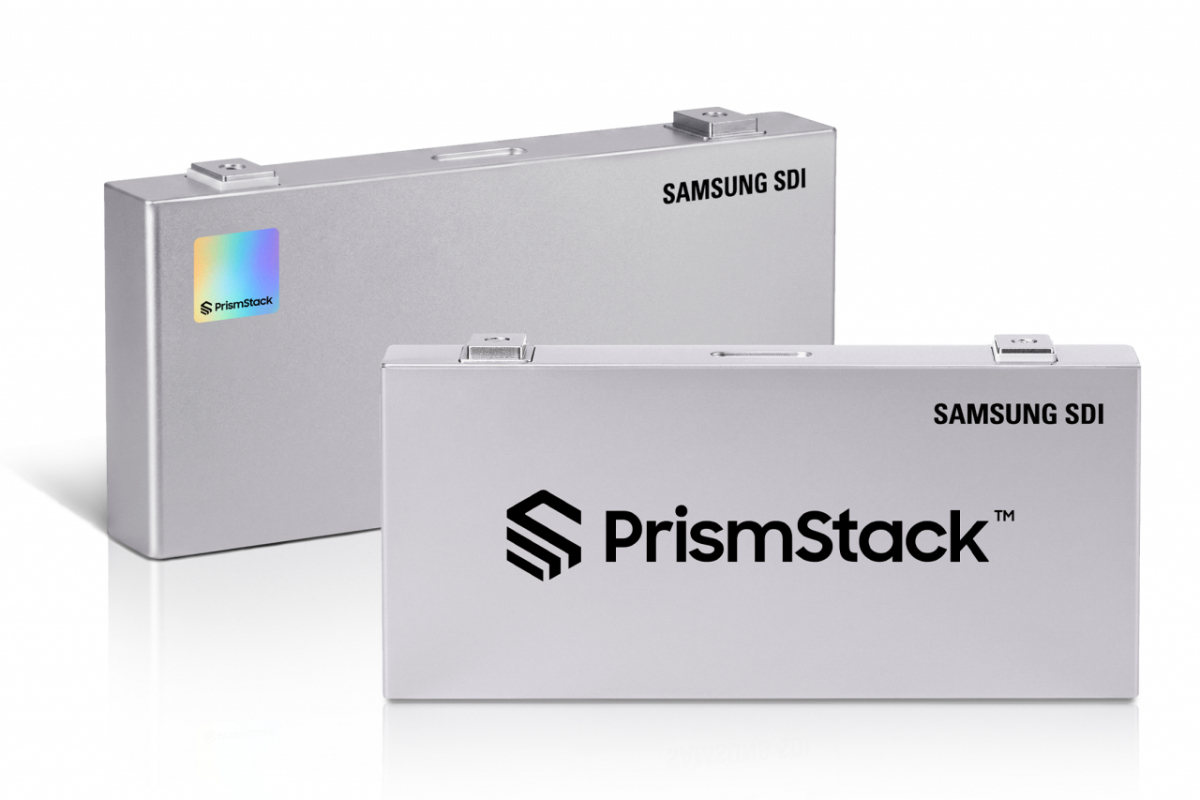
    As of August 12, 2026, Samsung SDI has bought out General Motors' stake in their EV battery joint venture, giving the Korean battery maker its first wholly owned plant in North America. Separately, the two companies signed a new R&D pact to co-develop next-generation prismatic battery cells.

    27GWhAnnual capacity of the New Carlisle, Indiana plant
    49.99%GM's stake acquired by Samsung SDI
    $3.5BTotal investment when the JV was founded in 2024

    Key points

    • Samsung SDI acquired GM's 49.99% stake in their joint venture, Ultium… wait — the venture is named SynergyCells, giving Samsung SDI full ownership.
    • The plant sits in New Carlisle, Indiana, and is being built out to an annual capacity of 27GWh.
    • The two firms also signed a new agreement to co-develop next-gen prismatic batteries with higher energy density and faster charging.
    • Samsung SDI plans to add an energy storage system (ESS) production line at the same site.

    Samsung SDI on Aug. 11 laid out two separate moves in its relationship with GM: a fresh R&D agreement on next-gen EV batteries, and a restructuring of the ownership behind a jointly built battery plant.

    Under the new research pact, engineers from both companies will keep refining prismatic cell technology aimed at higher energy density and faster charging. Batteries built on that tech are expected to show up in GM's future EV lineup over time.

    At the same time, Samsung SDI bought out GM's full 49.99% stake in SynergyCells, the joint venture the two companies formed in 2024, taking sole control of the business. The venture is building a battery plant in New Carlisle, Indiana, backed by $3.5 billion in total investment, with annual output eventually expected to hit 27GWh once complete.

    With full ownership secured, Samsung SDI now has its first solo-run battery plant in North America. The company said the site will produce more than just prismatic EV cells — it also plans to build out a dedicated line for energy storage system (ESS) batteries, aiming to tap into the fast-growing US ESS market.

    Samsung SDI has spent the past year locking down large ESS battery supply deals with US energy firms, steadily expanding its American footprint. Landing sole control of the Indiana plant makes clear the company is leaning harder on ESS as a growth engine while EV battery demand cools.

    In Korea right nowBack home, Korea's battery industry — which has been squeezed by slowing EV demand — is watching this as a sign of how local players might pivot toward the US market. Keeping the automaker partnership intact while taking sole ownership of the plant could become a template other Korean battery makers follow for their own North American investments.

    FAQ

    What is SynergyCells?

    It's the EV battery joint venture Samsung SDI and GM founded together in 2024 in New Carlisle, Indiana, with $3.5 billion in combined investment to build a 27GWh plant.

    Does Samsung SDI's buyout end its partnership with GM?

    No. Separate from the ownership change, the two companies signed a new agreement to keep co-developing next-generation prismatic batteries together.

    What will the plant produce?

    Prismatic batteries for GM's EVs, plus a dedicated line for energy storage system (ESS) batteries to serve growing US demand.

    📎 원문 보기 · Sources

    조선일보 기사 이미지Samsung SDI Buys Out GM’s Stake in Battery JV조선일보 · Aug 11, 2026삼성SDI, GM과 합작 종료… 美 배터리 공장 단독 운영Read the full story & photos at the source →
    Samsung SDI Buys Out GM’s Stake in Battery JV세계일보 · Aug 12, 2026삼성SDI, GM과 차세대 각형 배터리 개발Read the full story & photos at the source →
    머니투데이 기사 이미지Samsung SDI Buys Out GM’s Stake in Battery JV머니투데이 · Aug 12, 2026삼성SDI, GM 합작사 지분인수… '북미 첫 단독' 배터리 공장 확보 - 머니투데이Read the full story & photos at the source →

  • Odyssey Crosses 2 Million Viewers in Korea in 6 Days

    Odyssey Crosses 2 Million Viewers in Korea in 6 Days

    As of August 11, 2026, Christopher Nolan's new film 'Odyssey' has crossed 2 million admissions at South Korean theaters. The film, released on August 5, hit that mark in just six days — faster than it took Nolan's previous film, the atomic-bomb drama that topped 3 million admissions, to reach the same milestone.

    2,006,344Odyssey's cumulative admissions as of 6 a.m. on August 10
    6 daysTime to reach 2 million admissions after release
    1,333,568Odyssey's admissions over its opening weekend (Aug. 7-9)
    72.1%Odyssey's seat occupancy rate as of August 9

    Key points

    • 'Odyssey' opened on August 5 and passed 2 million cumulative admissions by early morning on August 10 — just six days later.
    • It's the fourth foreign film to cross the 2-million mark at Korean theaters this year.
    • More than 1.33 million people saw it during its first three-day weekend, putting it neck-and-neck with a new Marvel release that opened the same week.
    • It also outsold that rival on seat occupancy rate, posting strong numbers despite running on fewer screens.

    According to figures from the Korean Film Council's (KOFIC) integrated box-office network — the government-run system that tracks real-time ticket sales at every theater nationwide — 'Odyssey' blew past the 2-million mark over the weekend. That's six days faster than it took Nolan's previous film, the true-story atomic-bomb drama that eventually drew 3.23 million admissions, to hit the same number, a sign the director's pull with Korean audiences hasn't faded.

    The most striking part of the run has been its head-to-head with a new Marvel release that opened around the same time. Early on, the two films were separated by as few as 20,000 admissions, but 'Odyssey' pulled ahead decisively over the weekend. It did so while running on fewer screens than its rival, which made its lead in seat occupancy rate — the share of available seats actually sold — all the more notable to industry watchers.

    Korean theaters have been flooded with major foreign releases this year, and 'Odyssey' is already the fourth film to cross 2 million admissions, joining a pack led by the new Marvel movie, with an animated sequel and a space sci-fi title also in the mix. That makes this milestone especially significant — it was earned in one of the most crowded blockbuster seasons Korean theaters have seen in years.

    The film follows a hero who, having led the Greeks to victory in the Trojan War, tries to make his way home while facing the wrath of the gods — a big-screen take on the ancient epic. Matt Damon, Anne Hathaway and Tom Holland lead the cast, and word of mouth has centered on the film's massive scale and visual craft.

    In Korea right nowIn Korea, moviegoers are buzzing about having two blockbusters competing at once, which has given theaters a rare summer boost. The two films drew a combined 3 million-plus admissions over a single three-day weekend, and online communities have been joking about the 'happy dilemma' of deciding which to watch first. Many fans are chasing Nolan's signature immersive visuals on the biggest screen possible, driving fierce competition for seats in IMAX and other premium formats.

    FAQ

    What is 'Odyssey' about?

    It's a modern big-screen adaptation of the ancient epic following Trojan War hero Odysseus as he tries to return home while facing the gods' wrath.

    Who stars in the film?

    Matt Damon, Anne Hathaway and Tom Holland lead the cast.

    How does Korea track official box-office numbers?

    South Korea's Korean Film Council (KOFIC) runs an integrated ticketing network that logs real-time admissions from theaters nationwide, producing the country's official box-office data.

    📎 원문 보기 · Sources

    동아일보 기사 이미지Odyssey Crosses 2 Million Viewers in Korea in 6 Days동아일보 · Aug 11, 2026놀런 감독의 ‘오디세이’ 개봉 6일만에 200만 돌파Read the full story & photos at the source →
    SBS NEWS 기사 이미지Odyssey Crosses 2 Million Viewers in Korea in 6 DaysSBS NEWS · Aug 10, 2026'오디세이' 열풍, 극장 삼켰다… 6일 만에 200만 돌파Read the full story & photos at the source →

  • Nvidia Co-Founder: No AI Boom Without Korean HBM

    Nvidia Co-Founder: No AI Boom Without Korean HBM

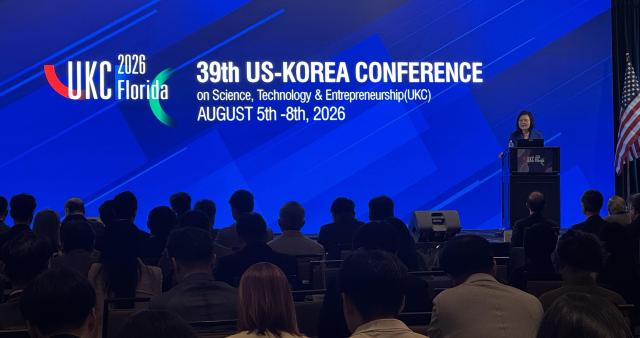
    As of August 10, 2026, Nvidia co-founder Chris Malachowsky has drawn attention for saying today's AI industry couldn't exist without memory chip technology from Samsung Electronics and SK Hynix. Delivering a keynote at a four-day US-Korea science and technology conference in Florida, he also praised the direction of Korea's national AI policy — and argued the industry is still in its early innings, with much bigger shifts still ahead.

    1,000+US and Korean scientists and engineers who attended
    39th editionHow many years running the conference has been held
    3 keynotesNumber of keynote sessions at this year's conference

    Key points

    • Nvidia co-founder and Fellow Chris Malachowsky delivered a keynote at a conference bringing together roughly 1,000 US and Korean scientists and engineers.
    • He named Samsung Electronics and SK Hynix's high-bandwidth memory (HBM) technology as the foundation underpinning AI supercomputing worldwide.
    • He predicted AI infrastructure will become as essential to nations as power grids or water systems, and praised the Lee Jae-myung administration's approach to AI policy.
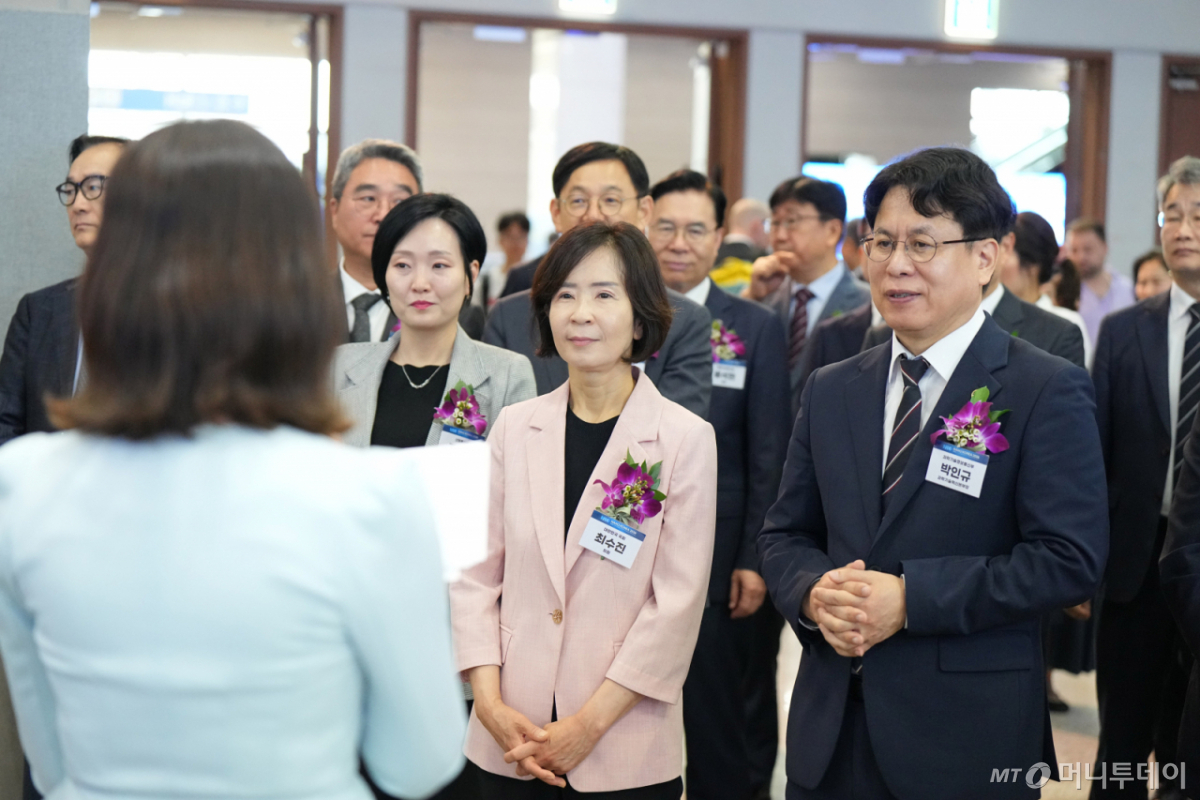
    • Park In-kyu, head of the Ministry of Science and ICT's Office of Science and Technology Innovation, also attended, discussing US-Korea cooperation on space and quantum technology and touring Kennedy Space Center.

    Roughly 1,000 scientists and engineers from the US and Korea gathered in Orlando, Florida, for a four-day conference on joint research and commercialization across artificial intelligence, aerospace, semiconductors and biohealth. Now in its 39th year since launching in 1994, this year's event ran under the theme 'From Imagination to Innovation to Reality.' At the opening ceremony, organizers said collaboration that crosses both national borders and academic disciplines would shape breakthroughs that change humanity's future.

    Among the keynote speakers, the one who drew the most attention was the Nvidia co-founder who helped commercialize the graphics processing unit, or GPU. He credited the memory chip technology built up by Samsung Electronics and SK Hynix as the backbone of today's AI supercomputing infrastructure, saying that without their contributions, neither Nvidia nor the broader AI boom would have been possible. He predicted AI infrastructure will soon become as fundamental to a country as its power grid or water supply, and voiced support for the Korean government's decision to make AI a national priority.

    He pushed back on growing worries about an AI investment bubble. What's unfolding now, he argued, is just the early stage of a generational industrial shift, and the biggest changes are still to come. Pointing to how nations that built out power grids or telecom networks first ended up leading their eras, he warned that countries slow to build AI infrastructure risk falling behind — and that securing independent AI capacity quickly is essential for any nation that wants to shape its own future.

    The next phase he described is one where AI spreads well beyond research labs. He predicted that over the next decade, the most consequential breakthroughs won't come from major AI labs but from people applying AI within life sciences, medicine, climate science, materials engineering and manufacturing — innovation emerging where deep domain expertise meets new tools, blurring the lines between fields. He added that investment made only once demand is obvious is already too late, and that the chip and AI companies currently leading will likely hold their edge for some time.

    Also at the conference, Park In-kyu, head of the Ministry of Science and ICT's Office of Science and Technology Innovation, attended sessions on AI, space, and quantum technology applications. A day earlier he toured Kennedy Space Center, reviewing facilities and cooperation tied to the international lunar exploration project Korea is participating in, and pledged support for exchange programs to bring the experience of Korean-American scientists back into research efforts at home.

    In Korea right nowIn Korea, the comments landed as a notable moment — a leading figure in the global chip and AI industry publicly crediting domestic memory makers' technology. The praise comes amid choppy market sentiment around the semiconductor cycle, making it stand out further, and the endorsement of the government's AI strategy is being read as a boost for the policy's momentum.

    FAQ

    Who is Chris Malachowsky?

    One of Nvidia's three co-founders, who directly engineered the early graphics processing unit technology that became the technical foundation of the company.

    Why does high-bandwidth memory (HBM) matter?

    It's the memory that feeds data quickly to the GPUs handling large-scale AI computation, a market currently led globally by Samsung Electronics and SK Hynix.

    What was this conference?

    A US-Korea science and technology forum launched in 1994, now in its 39th year, held over four days in Florida to discuss cooperation in AI, aerospace, semiconductors and more.

    📎 원문 보기 · Sources

    매일경제 기사 이미지Nvidia Co-Founder: No AI Boom Without Korean HBM매일경제 · Aug 10, 2026삼전닉스 극찬한 ‘GPU의 아버지’…“한국 없었으면 AI혁명 없었다” - 매일경제Read the full story & photos at the source →
    아주경제 기사 이미지Nvidia Co-Founder: No AI Boom Without Korean HBM아주경제 · Aug 07, 2026한·미 과학기술 역량 결집…'UKC 2026' 美 올랜도서 개막 | 아주경제Read the full story & photos at the source →
    머니투데이 기사 이미지Nvidia Co-Founder: No AI Boom Without Korean HBM머니투데이 · Aug 09, 2026박인규 혁신본부장, UKC 2026 참석…우주·AI 협력 강조 - 머니투데이Read the full story & photos at the source →
    파이낸셜뉴스 기사 이미지Nvidia Co-Founder: No AI Boom Without Korean HBM파이낸셜뉴스 · Aug 09, 2026박인규 과기정통부 혁신본부장 "AI·우주·양자 한미협력 필수"Read the full story & photos at the source →

  • US Sets 15% Tariff on Polysilicon Derivatives, Dec. 4

    US Sets 15% Tariff on Polysilicon Derivatives, Dec. 4

    As of August 7, 2026, the White House has finalized a 15% import tariff on polysilicon derivatives — the raw material behind silicon wafers used in chips. It also locked in minimum import prices of $21 per kilogram for raw polysilicon and $100 per kilogram for ingots and wafers, aiming to stop cheap foreign supply from flooding the US market. The rules kick in just after midnight Eastern time on December 4, 120 days after signing.

    15%New tariff rate on polysilicon derivatives
    $21Minimum import price per kg of polysilicon
    $100Minimum import price per kg of ingots/wafers
    120 daysGrace period before the measure takes effect

    Key points

    • The US government invoked Section 232 of the Trade Expansion Act to impose a 15% tariff on polysilicon derivative imports.
    • Minimum import prices were set at $21 per kilogram for polysilicon and $100 per kilogram for ingots and wafers.
    • The measure takes effect December 4, 120 days after signing.
    • The Commerce Department has been probing the national security impact of polysilicon imports since last July, and this decision is based on those findings.

    The White House just built a new trade wall around polysilicon, the foundational material behind both semiconductors and solar panels. The signed measure rests on two pillars: a 15% tariff on polysilicon derivatives, and a minimum import price on the raw material itself. A White House official framed the move at the signing as part of a broader trade and tariff push rooted in Section 232 of the Trade Expansion Act, meant to protect domestic polysilicon manufacturing and block cheap, potentially dumped supply from abroad.

    The minimum import price is set at $21 per kilogram for raw polysilicon and $100 per kilogram for ingots and wafers — the cylindrical blocks and sliced discs made from it. In practice, that's designed to keep low-cost producers, China chief among them, from undercutting the US market below that floor. On top of that, derivative products get hit with an additional 15% ad valorem tariff. The new rules take effect just after midnight Eastern time on December 4, 120 days from the signing date.

    This didn't come out of nowhere. The Commerce Department opened a Section 232 investigation last July into whether polysilicon imports pose a national security risk, and this decision is the result. Commerce Secretary Howard Lutnick said at the signing that polysilicon is an essential raw material for the silicon wafers that go into AI chips and smartphone chips, and that the goal is to boost domestic production.

    The White House didn't stop at defense. It also directed the Commerce Secretary to draft a separate incentive program for companies building polysilicon manufacturing plants on US soil — pairing the tariff-and-price-floor shield with subsidy-style carrots to grow domestic production capacity from the other direction.

    In Korea right nowIn Korea, attention is turning to how this reshapes costs and supply-chain strategy for companies that use polysilicon to make wafers and solar materials for export to the US. A shift in pricing at the very top of the semiconductor value chain could ripple down through sourcing routes and price leverage for Korea's materials and components industry, and firms are reportedly using the window before the December effective date to review their options.

    FAQ

    What exactly does this tariff apply to?

    The 15% tariff applies to processed polysilicon derivatives, not raw polysilicon itself. Raw polysilicon and ingots/wafers are instead subject to minimum import prices rather than the tariff.

    Why is this based on Section 232 of the Trade Expansion Act?

    Section 232 lets the president restrict imports, including through tariffs, if a Commerce Department investigation finds they threaten national security — and that's the legal basis used here.

    When does it actually take effect?

    It kicks in just after midnight Eastern time on December 4, 120 days after the signing date.

    📎 원문 보기 · Sources

    연합뉴스 · Aug 07, 2026트럼프, '반도체 핵심 원료' 폴리실리콘 파생상품에 15% 관세 | 연합뉴스Read the full story & photos at the source →
    연합뉴스 · Aug 07, 2026트럼프, '반도체 핵심원료' 폴리실리콘 산업보호 포고령 | 연합뉴스Read the full story & photos at the source →
    조선일보 기사 이미지US Sets 15% Tariff on Polysilicon Derivatives, Dec. 4조선일보 · Aug 06, 2026트럼프, ‘반도체 핵심원료’ 폴리실리콘 보호 행정명령… 파생제품에 15% 관세Read the full story & photos at the source →
    동아일보 기사 이미지US Sets 15% Tariff on Polysilicon Derivatives, Dec. 4동아일보 · Aug 07, 2026트럼프, ‘반도체 핵심 원료’ 폴리실리콘 파생상품에 15% 관세Read the full story & photos at the source →
    경향신문 기사 이미지US Sets 15% Tariff on Polysilicon Derivatives, Dec. 4경향신문 · Aug 07, 2026트럼프, ‘반도체 핵심 원료’ 폴리실리콘 파생상품에 15% 관세Read the full story & photos at the source →

  • Samsung’s zHBM Stacks Memory on AI Chips, 8x Faster

    Samsung’s zHBM Stacks Memory on AI Chips, 8x Faster

    As of August 5, 2026, Samsung Electronics has unveiled zHBM, a next-generation 3D memory that stacks vertically right on top of AI accelerator chips. Compared with the still-in-development HBM5, it promises up to 8x the GPU performance and up to 3x better performance-per-watt. At the same event, SK hynix countered with its own open-standard NAND-based memory tier, HBF.

    8xzHBM's max per-GPU performance gain over HBM5
    3xzHBM's performance-per-watt improvement over HBM5
    1/6Memory cost for running a 120B-parameter model with zNAND-O, vs. without it
    400+ layersLayer count of the newly unveiled 10th-gen V-NAND

    Key points

    • Samsung showed off a physical zHBM mockup for the first time during a keynote at a major US memory industry event.
    • Unlike conventional HBM, which sits beside the accelerator, zHBM is stacked directly on top of the chip, shortening the distance data has to travel.
    • Samsung says its on-device AI NAND solution, zNAND-O, cuts the memory cost of running a 120-billion-parameter model to one-sixth.
    • SK hynix, together with SanDisk, unveiled the HBF standard at the same event, betting on an open ecosystem multiple companies can adopt.

    As warnings mount that AI chip bottlenecks are shifting from processors to memory, Korea's two big memory makers shared the stage at the world's largest memory and storage industry event, held in California. Both companies agreed that explosive growth in tokens processed during AI inference has outpaced what conventional memory architectures can handle. The presentations took place the day before, local time.

    Samsung's answer is to stack memory vertically instead of spreading it out horizontally. zHBM takes high-bandwidth memory — traditionally placed beside the accelerator — and stacks it directly on top of the chip, shrinking the distance signals need to travel. By combining full-wafer bonding with direct copper-to-copper connections, Samsung packed in far denser wiring, cutting thermal resistance to 10-25% of what's expected from the still-in-development HBM5. The Samsung executive who presented said the company plans to co-design zHBM with processor makers from the start, rather than selling it as an off-the-shelf product.

    Samsung's 3D push extended to storage too. The company unveiled the industry's first 10th-generation V-NAND, stacked past 400 layers, alongside zNAND-O, an on-device AI solution that bundles multiple NAND layers together. The design hands fast, temporary data to DRAM while storing the bulky AI models themselves on NAND-based memory; mass-production samples are slated to ship starting in 2028.

    SK hynix took a different route. Together with SanDisk, it finalized and unveiled the HBF standard, which stacks NAND in 8 or 16 layers to deliver up to 512GB of capacity and transfer speeds of up to 3TB per second. Built around the industry-wide UCIe interconnect standard, HBF is designed to plug into a range of different processors, with Google and Tenstorrent both taking part in the standardization effort. Where Samsung is betting on doing everything in-house, SK hynix is betting on a wider, shared ecosystem.

    Market conditions form the backdrop for both announcements. Samsung held onto the No. 1 spot in global memory revenue in the first quarter of this year, and market researchers expect the overall memory market to expand sharply next year. One French research firm predicted Korea will keep its lead in memory for years to come, citing both companies' rising investment and government support — while also flagging a new wrinkle: as AI shifts from training to inference, product development cycles are speeding up.

    In Korea right nowAt home, attention has focused on how the two companies' bets point in opposite directions. Samsung and SK hynix shares both ticked up slightly after the announcements, with analysts saying the real test is whether Samsung's vertically integrated approach wins over major customers, and how many companies rally behind SK hynix's open HBF standard. An overseas forecast that Korea will hold its memory-industry lead through 2031 is also drawing attention.

    FAQ

    How is zHBM different from conventional HBM?

    Conventional HBM sits beside the AI accelerator chip, while zHBM stacks memory vertically directly on top of the accelerator, minimizing the distance data has to travel.

    How does SK hynix's HBF differ from zHBM?

    HBF is a NAND-flash-based memory tier built for much larger capacity. Rather than replacing HBM, it's meant to work alongside HBM to support large-scale AI inference.

    When will these technologies actually reach products?

    Mass-production samples of zNAND-O are expected to ship starting in 2028, and the industry broadly expects NAND-based memory tiers like HBF to see full-scale commercialization around 2030.

    📎 원문 보기 · Sources

    연합뉴스 · Aug 05, 2026삼성, 'HBM5 8배 성능' 차세대 3D메모리 공개…"AI칩 장벽 넘는다"(종합) | 연합뉴스Read the full story & photos at the source →
    연합뉴스 · Aug 05, 2026삼성, 'HBM 8배 성능' 차세대 3D메모리 공개…"AI장벽 넘는다" | 연합뉴스Read the full story & photos at the source →
    매일경제 기사 이미지Samsung’s zHBM Stacks Memory on AI Chips, 8x Faster매일경제 · Aug 05, 2026AI 메모리 승부수…삼성 ‘통합’ vs SK ‘개방형’ - 매일경제Read the full story & photos at the source →
    매일경제 기사 이미지Samsung’s zHBM Stacks Memory on AI Chips, 8x Faster매일경제 · Aug 05, 2026삼성전자, AI 메모리 승부수는 ‘3D’…D램도 낸드도 위로 쌓는다 - 매일경제Read the full story & photos at the source →
    한국경제 기사 이미지Samsung’s zHBM Stacks Memory on AI Chips, 8x Faster한국경제 · Aug 05, 2026HBM 여러개 쌓는다…삼성전자, 첨단 메모리반도체 'zHBM' 공개Read the full story & photos at the source →
    매일경제 기사 이미지Samsung’s zHBM Stacks Memory on AI Chips, 8x Faster매일경제 · Aug 05, 2026“HBM 다음은 이거다”…SK하이닉스가 선점하려는 미래 먹거리는 - 매일경제Read the full story & photos at the source →