Category: K-Now

  • Trump Tells Seoul to Sign on Alaska LNG—or It Doubles

    Trump Tells Seoul to Sign on Alaska LNG—or It Doubles

    As of October 3, 2026, President Donald Trump publicly warned that South Korea will pay more if it doesn't move quickly to sign on to the Alaska LNG project. Seoul maintains that whether to invest, and how much, hasn't been decided, which raises the stakes for follow-up US–Korea talks.

    $200 billionSize of Korea's US investment plan, per Trump
    $54 billionAmount the US side says is Alaska LNG's share
    1,300 km (about 810 miles)Length of the proposed Alaska LNG pipeline
    $50 billion+Reported estimated cost of Alaska LNG

    Key points

    • Pressed on the fact that Korea's investment isn't final, Trump said his announcement wasn't premature and that if Korea doesn't want to take part, the US can simply charge more.
    • He told reporters to pass along to Korea that if it doesn't sign soon, he'll double it, but he didn't say what “it” is.
    • Korea's trade and industry ministry says it's only in an early stage of weighing commercial viability and domestic procedures, and that no decision on whether or how much to invest has been made.
    • Alaska LNG is a roughly 1,300 km (about 810 miles) pipeline project running from the North Slope in the north to Nikiski in the south, and its economics have been debated for years.

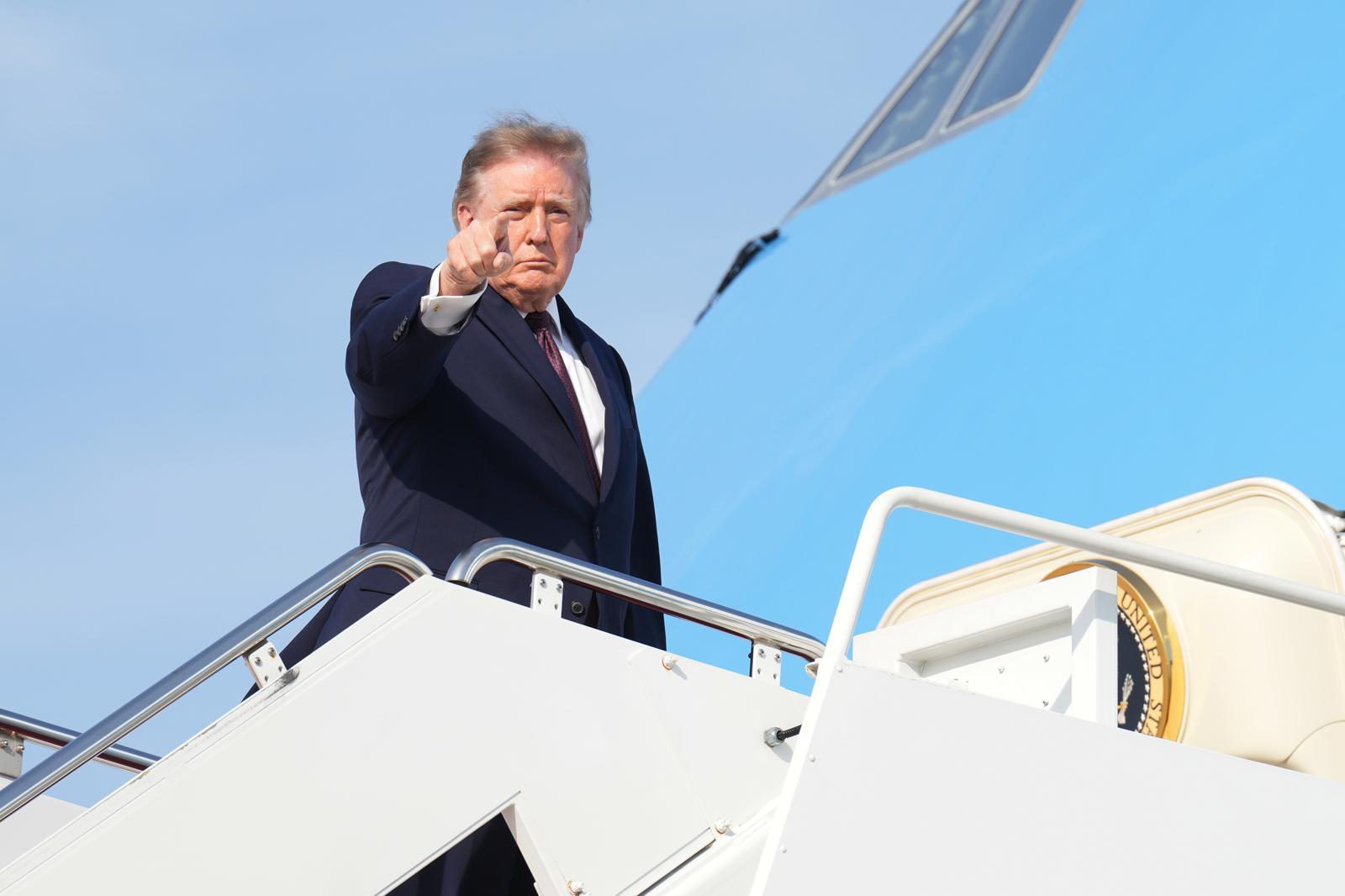
    President Trump took questions from reporters at the White House on Oct. 2 local time. The question: Korea hasn't signed on to Alaska LNG and is still reviewing it internally, so did the announcement get ahead of things? He said no, it wasn't premature, and claimed a Korean delegation was in the room for the talks. If Korea doesn't want in, he said, that's fine, but the US would charge more.

    As reporters kept pointing out that Korea hadn't signed, he told them to let Korea know that if it doesn't sign soon, he'll double it. He didn't say whether he meant tariffs or some other financial burden. Korean media read the remark as a hint at added pressure such as higher tariffs.

    The backdrop is an announcement on Sept. 30. Trump said then that Korea plans to put up to $200 billion into US energy-related projects, with roughly $54 billion of that going to Alaska LNG. Seoul pushed back right away. Korea's trade and industry ministry said the two countries had only agreed to look at commercial viability, and that no investment decision or amount had ever been fixed. Even if it leads to an investment, the ministry said, profitability would have to be confirmed and domestic legal procedures satisfied. Minister Kim Jung-kwan reportedly told the US Commerce Secretary that the announcement had gotten ahead of the talks, and expressed regret.

    The Alaska LNG concept is to pipe natural gas from the Arctic North Slope about 1,300 km (roughly 810 miles) south to Nikiski, liquefy it and export it to Asia and elsewhere. With costs expected to top $50 billion and construction expensive, the project has long been dogged by questions about whether it pencils out. In working-level talks ahead, verifying the economics and nailing down specific investment terms look likely to be the main sticking points.

    In Korea right nowIn Korea, there's concern that the government has less room to negotiate now that the US president has floated extra costs in public. President Lee Jae-myung's government has repeatedly said it's only doing a working-level review, contingent on confirming profitability and completing domestic procedures, so observers say the issue could become a burden in follow-up talks, including on tariffs. Many also note that the huge price tag and murky returns could ultimately land on Korean taxpayers.

    FAQ

    What did Trump mean by “double”?

    It's unclear. He didn't say what would be doubled, and Korean media read it as a hint at tariff hikes or other added economic burdens.

    Has Korea committed to investing in Alaska LNG?

    No. Korea's trade and industry ministry says nothing has been decided on whether or how much to invest, and that it's first examining commercial viability and domestic legal procedures.

    What is the Alaska LNG project?

    It's a large-scale project that would carry natural gas from Alaska's North Slope about 1,300 km (roughly 810 miles) by pipeline to Nikiski in the south, where it would be liquefied and exported to Asia and elsewhere. Costs are expected to exceed $50 billion, and its economics have been debated for years.

    📎 원문 보기 · Sources

    동아일보 기사 이미지Trump Tells Seoul to Sign on Alaska LNG—or It Doubles동아일보 · Oct 03, 2026트럼프 “韓 알래스카 투자 서명 안 하면 2배 청구”Read the full story & photos at the source →
    경향신문 기사 이미지Trump Tells Seoul to Sign on Alaska LNG—or It Doubles경향신문 · Oct 03, 2026트럼프 “한국, 알래스카 LNG 안 한다면 비용 2배 청구할 것”Read the full story & photos at the source →
    매일경제 기사 이미지Trump Tells Seoul to Sign on Alaska LNG—or It Doubles매일경제 · Oct 03, 2026[속보] 트럼프 “韓 알래스카 투자 안한대도 괜찮다…돈 더 청구하면 돼” - 매일경제Read the full story & photos at the source →

  • Korea’s Exports Top $800 Billion in 9 Months, a Record

    Korea’s Exports Top $800 Billion in 9 Months, a Record

    As of October 1, 2026, South Korea's September exports hit a record of about $120.9 billion, and shipments for January through September reached about $814.5 billion, topping $800 billion for the first time. Semiconductors, at about $60.3 billion, made up nearly half of the total.

    $120.9 billionMonthly exports, September 2026
    $814.5 billionCumulative exports, January-September
    $60.3 billionSemiconductor exports in September
    About $49.9 billionSeptember trade surplus

    Key points

    • September exports came in at about $120.9 billion, up 83.5% from a year earlier and the highest monthly total ever.
    • Shipments for January through September reached about $814.5 billion, already above all of last year's exports (about $709.3 billion).
    • Chip exports passed $60 billion in a single month for the first time, accounting for 49.9% of all exports.
    • September's trade surplus was about $49.9 billion, the first monthly surplus above $40 billion.

    According to September trade data released today by the Ministry of Industry and Trade, South Korea's exports last month totaled about $120.9 billion, up 83.5% from the same month a year earlier. It's the first time monthly exports have cleared $120 billion, and it blows past the previous record of about $102.0 billion, set in June. Adjusted for working days, average daily exports rose to about $5.6 billion, topping $5 billion for the first time, with growth of 105%.

    On a cumulative basis, exports from January through September come to about $814.5 billion. That means Korea beat last year's full-year record of about $709.3 billion in just nine months. The country is about $185.5 billion short of the $1 trillion mark for the year, and the government says it expects to get there in 2026.

    Chips drove the surge. Semiconductor exports topped $60 billion in a single month for the first time, up 262.8% from a year earlier and well above the previous monthly high of about $46.7 billion in August. They accounted for 49.9% of all exports, nearly half. With memory demand holding strong, both shipment volumes and fixed contract prices climbed. Between May and September, the price of a DDR5 16Gb chip rose from $37.5 to $48, and a NAND 128Gb chip went from $26.5 to $30.6.

    Other categories moved up too. Computer exports jumped 435.3% to a monthly record of about $7.0 billion, helped by rising AI infrastructure spending and demand for enterprise SSDs. Cosmetics set another monthly high at about $1.5 billion, and wireless communications devices posted an 11th straight month of growth. Autos were the exception, falling 5.5% as the timing of the Chuseok (Korean harvest festival) holiday and weak used-car sales weighed on shipments. By region, China took about $26.0 billion and the U.S. about $24.3 billion. ASEAN topped $20 billion for the first time, at about $21.3 billion.

    Imports in September were about $71.1 billion, up 26.0%. That left a trade surplus of about $49.9 billion, and the cumulative surplus for January through September now tops $250 billion. Industry Minister Kim Jung-kwan called the results proof of Korean industry's competitiveness. He added that the government will act early so unexpected external shocks don't drag on exports, aiming to keep the upswing going in the fourth quarter.

    In Korea right nowIn Korea, the numbers are fueling hope that the country can hit $1 trillion in annual exports. Chips are close to half of the total, but exports excluding semiconductors also grew 23%, and 11 of the 20 main export items rose. Another notable detail: even as U.S. tariffs and EU import quotas tightened, steel exports edged up 3.3% on demand from U.S. AI data centers.

    FAQ

    What does crossing $800 billion in exports mean?

    Cumulative exports for January through September reached about $814.5 billion, already above last year's full-year total of about $709.3 billion, which was itself the previous record. Fourth-quarter shipments will push the record higher still.

    Why did exports surge?

    Semiconductors are the core story. With memory demand still strong, both shipment volumes and fixed contract prices rose, and computer exports (including enterprise SSDs) also jumped on higher AI infrastructure spending.

    Can Korea reach $1 trillion in annual exports?

    Based on the roughly $814.5 billion shipped through September, about $185.5 billion is still needed, and the government says it expects to get there. The minister's pledge to head off external shocks, though, hints that some uncertainty remains.

    📎 원문 보기 · Sources

    연합뉴스 · Oct 01, 2026한국 수출 8천억달러 첫 돌파…9월 1천209억달러 역대 최대(종합) | 연합뉴스Read the full story & photos at the source →
    동아일보 기사 이미지Korea’s Exports Top 0 Billion in 9 Months, a Record동아일보 · Oct 01, 2026韓 수출 첫 8000억달러 돌파…9월 수출 1209억 달러 ‘역대 최고’Read the full story & photos at the source →
    동아일보 기사 이미지Korea’s Exports Top 0 Billion in 9 Months, a Record동아일보 · Oct 01, 2026반도체 슈퍼사이클에 9월 수출, 역대 최대 1200억弗 첫 돌파Read the full story & photos at the source →
  • Hyundai’s Tucson Is First Korean SUV to Hit 10 Million

    Hyundai’s Tucson Is First Korean SUV to Hit 10 Million

    As of September 30, 2026, Hyundai's Tucson has passed 10 million cumulative global sales, about 22 years after its 2004 debut. It's the first Korean-built SUV to reach that mark, and 91% of those sales came outside Korea.

    About 10.62 millionGlobal cumulative sales, excluding the China-only model
    91%Share of cumulative sales made in overseas markets
    76%Share of 2023 overseas sales built in local plants
    About 2.23 millionCumulative sales in the US

    Key points

    • By Hyundai's count, Tucson sales through August this year total about 10.62 million, excluding the China-only ix35.
    • Adding the ix35 brings the total to about 11.17 million, making Tucson the third Hyundai Motor Group model to join the 10-million club, after the Elantra and the Accent.
    • The US alone accounts for about 2.23 million sales, roughly 23% of overseas sales.
    • The fifth-generation redesign launches in Korea first, then rolls out to North America, Europe and other markets from 2027.

    Hyundai released the Tucson's cumulative sales figures on the 30th. Since the first generation arrived in 2004, sales through August this year total about 10.62 million outside China. The ix35, sold only in China, is tallied separately. Adding that roughly 550,000 units brings the total to about 11.17 million.

    The pace of sales has picked up over time. The Tucson hit 1 million in 2008 and passed 5 million in 2016. That took eight years, and getting from 5 million to 10 million took nine more. Within Hyundai Motor Group, the Tucson is the third model to do it, after the Elantra and the Accent. Annual sales peaked at about 730,000 in 2016 and dropped to about 470,000 in 2020 amid the pandemic. Expanding overseas plants and broadening hybrid options helped sales recover to around 700,000 in 2023.

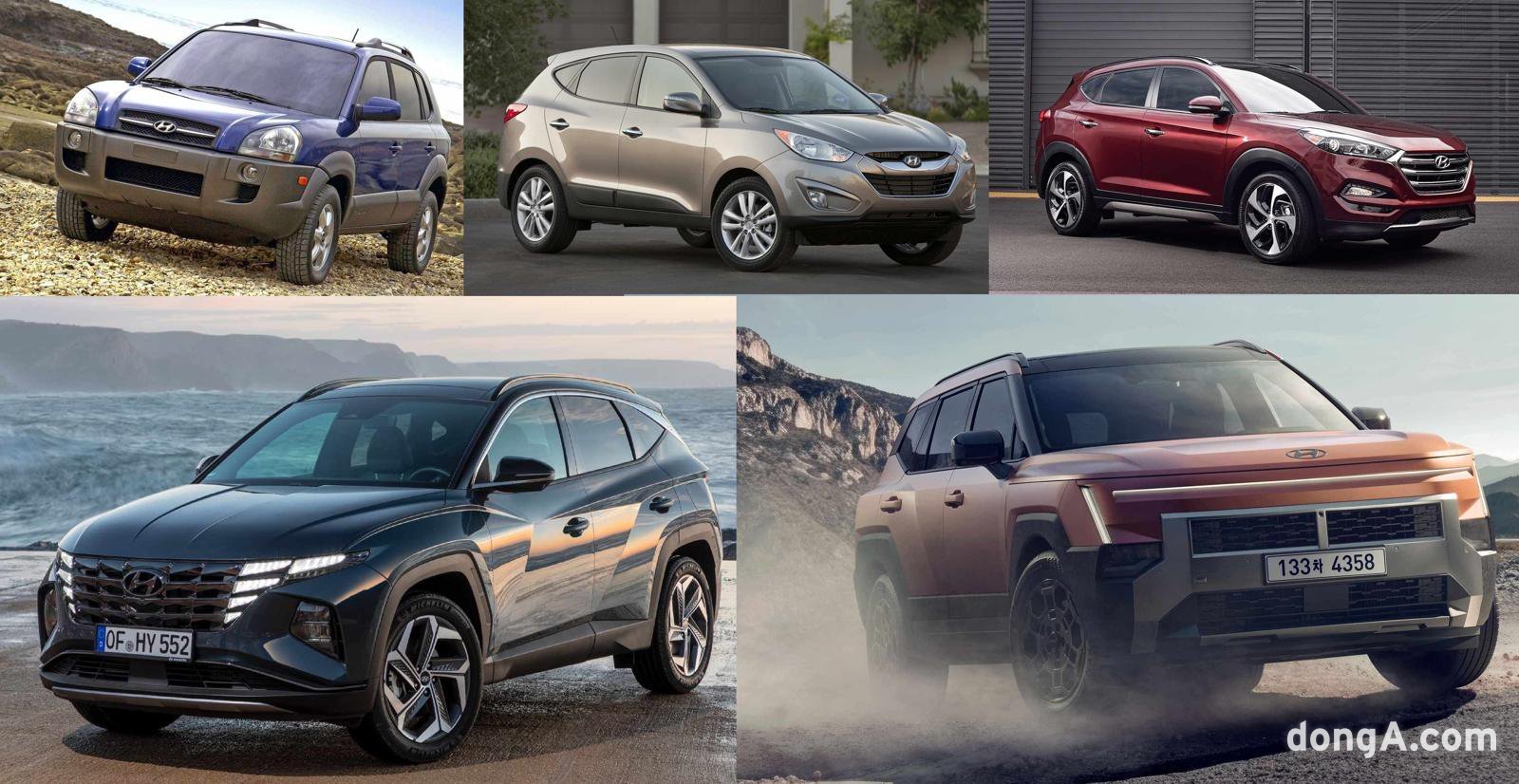
    Each new generation has sold more than the last. The first generation sold about 1.6 million and the second about 2.5 million. The third topped 3 million despite a shorter run. The fourth generation, still on sale, has moved about 3.37 million in roughly six years and eight months, the most of any generation. Average annual sales per generation have jumped more than fourfold, from about 120,000 for the first to about 510,000 for the fourth.

    A shift in how the car is built underpins that growth. Of the Tucsons sold overseas, the share built in local plants was just 4% in 2005, rose to the mid-40s (44%) in 2010 and passed 70% in 2016. By 2023 it hit 76%. Cumulatively, about 5.86 million of roughly 9.66 million overseas sales, or around 61%, were assembled locally. Hyundai says its bases in places like the US and the Czech Republic have eased the burden of tariffs and exchange rates. Domestic cumulative sales come to about 950,000, or 9% of the total excluding China.

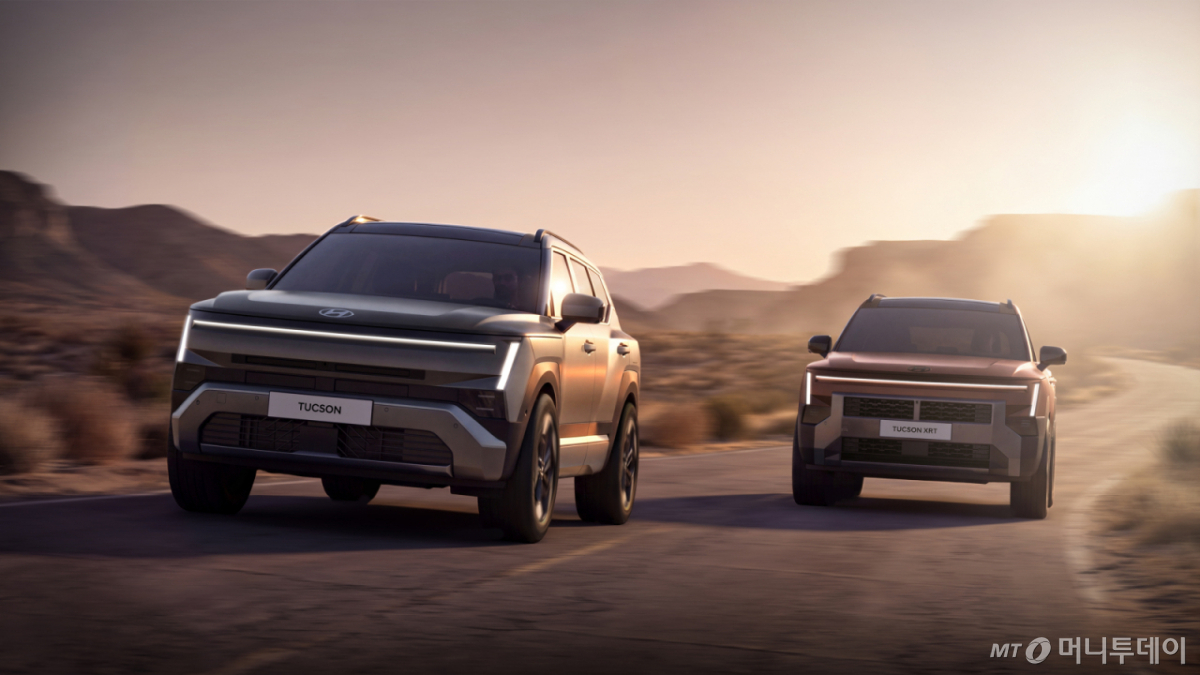
    The US is the single largest market. Since Hyundai entered it in 2004, about 1.95 million gasoline-powered Tucsons and about 270,000 hybrids have been sold there. The hybrid share climbed from around 12% in 2021 to 32.5% in 2024 and stands at 27.8% for January through August this year. The fourth generation has held the top rating from the US Insurance Institute for Highway Safety (IIHS), Top Safety Pick+, for five straight years since 2022. The new fifth generation is a boxy SUV with a larger body and Hyundai's 'Art of Steel' design language, and it will roll out overseas in stages starting in 2027.

    In Korea right nowIn Korea, the milestone stands out because it belongs to a domestically built SUV that leans so heavily on exports. Even though Korea accounts for just 9% of Tucson sales, the model has been Hyundai's top seller overseas for five years running. Hyundai describes the shift as a move from an export-oriented model to a strategic global model built close to its customers. With tariffs and exchange rates so unpredictable now, some observers also say local production in the US, the Czech Republic and elsewhere has reduced risk. Interest is also running high because the fifth-generation model was unveiled recently and is gearing up for its Korean launch.

    FAQ

    Why are there two totals, 10.62 million and 11.17 million?

    The 10.62 million figure leaves out the ix35, which was sold only in China. Adding about 550,000 ix35 units gives roughly 11.17 million. Hyundai disclosed both tallies.

    Where has the Tucson sold best?

    The US. Since entering in 2004, Hyundai has sold about 2.23 million there, roughly 20% of the global total including the China-only model and about 23% of overseas sales.

    When can overseas buyers get the new fifth-generation Tucson?

    It launches in Korea first, then rolls out to major markets including North America and Europe in stages from 2027.

    📎 원문 보기 · Sources

    동아일보 기사 이미지Hyundai’s Tucson Is First Korean SUV to Hit 10 Million동아일보 · Sep 30, 2026세계에서 통한 한국산 SUV의 발자취…현대차 투싼, 22년 만에 1000만 고지 넘었다Read the full story & photos at the source →
    한국경제 기사 이미지Hyundai’s Tucson Is First Korean SUV to Hit 10 Million한국경제 · Sep 30, 2026현대차 투싼, 국산 SUV 최초 글로벌 1000만대 돌파…해외서 91% 팔렸다Read the full story & photos at the source →
    머니투데이 기사 이미지Hyundai’s Tucson Is First Korean SUV to Hit 10 Million머니투데이 · Sep 30, 2026현대차 투싼 22년만에 글로벌 판매 1000만대 돌파…국산 SUV 최초 - 머니투데이Read the full story & photos at the source →
    Hyundai’s Tucson Is First Korean SUV to Hit 10 Million뉴스1 · Sep 30, 2026투싼, 22년만에 누적판매 1061만대 돌파…5세대 모델로 인기 잇는다Read the full story & photos at the source →

  • Samsung SDI Debuts Cylindrical LFP Battery at DCWA

    Samsung SDI Debuts Cylindrical LFP Battery at DCWA

    As of September 29, 2026, Samsung SDI is making its first appearance at DCWA 2026 (Data Center World Asia), which opened in Singapore today, with a battery lineup built for AI data centers. The standout is its cylindrical LFP (lithium iron phosphate) battery, which the public is seeing in physical form for the first time.

    600+Companies at DCWA 2026
    4Zones at Samsung SDI's booth
    FirstSamsung SDI's DCWA appearance

    Key points

    • This is Samsung SDI's first booth at DCWA, an event with more than 600 companies on its roster.
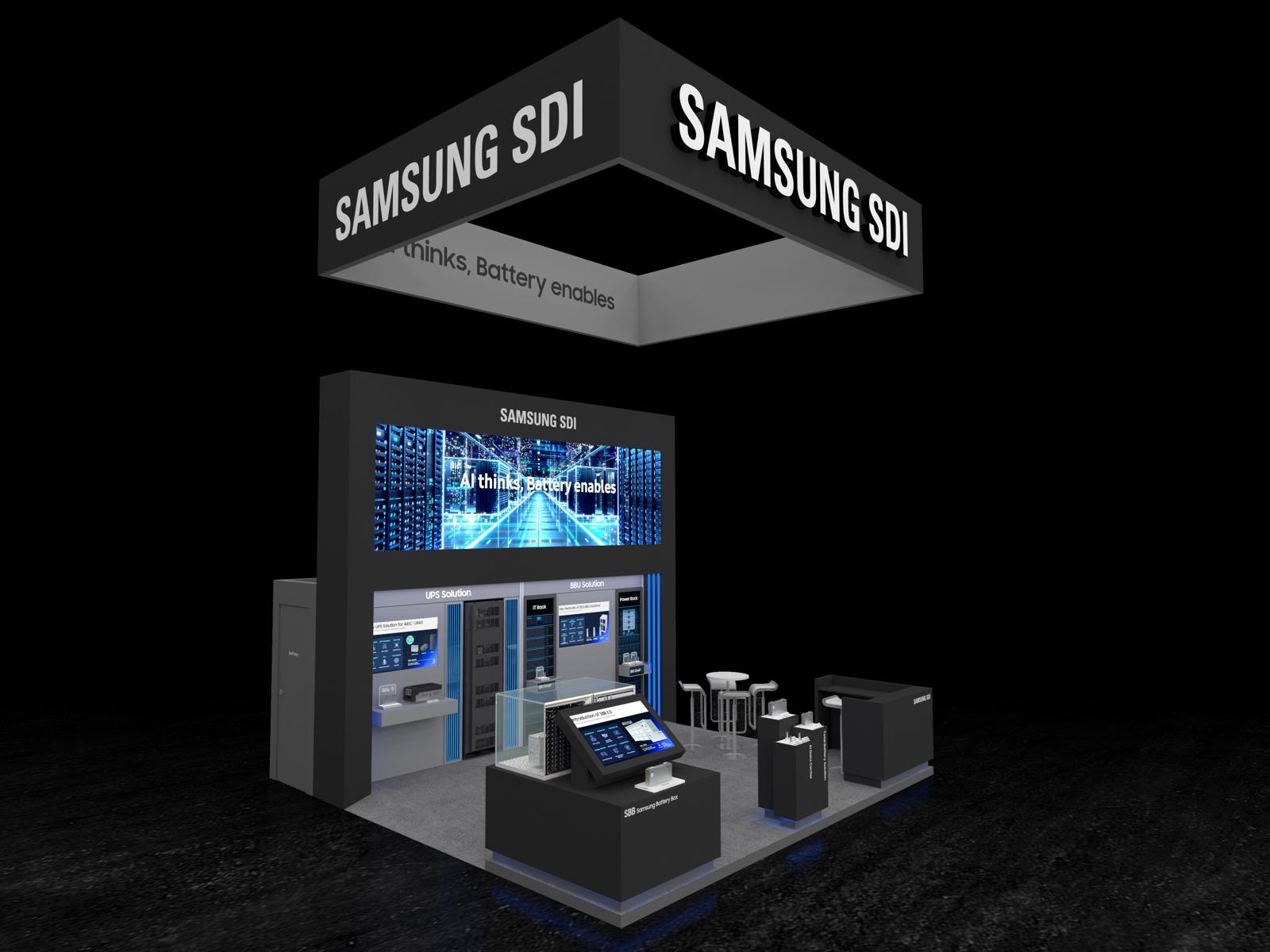
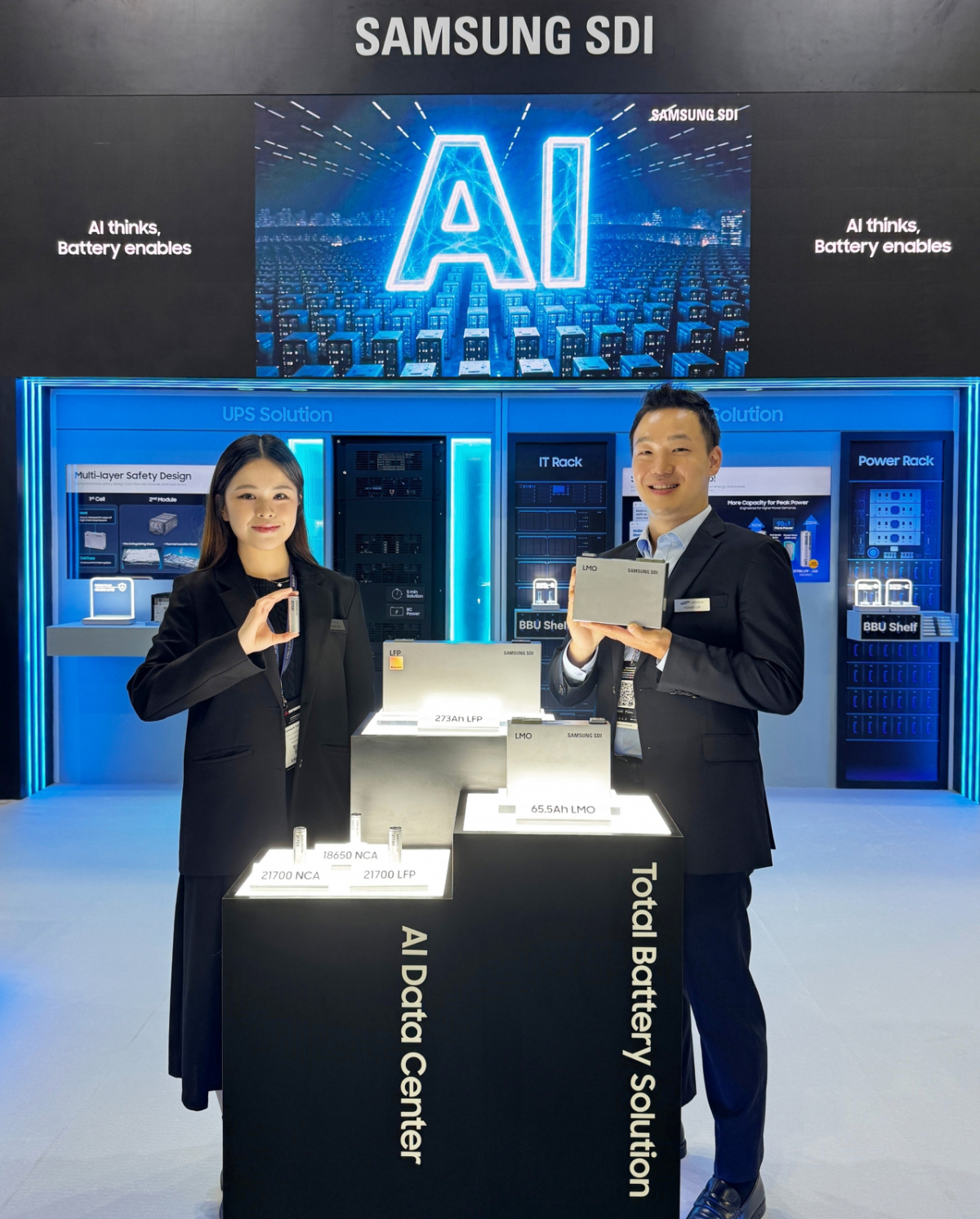
    • The booth is split into four zones: UPS, BBU, SBB and cells.
    • The UPS product at the center of the booth was billed as passing every item in a large-scale fire test (LSFT) run by UL Solutions.
    • A prismatic LFP battery destined for the SBB 2.0 all-in-one energy storage system is also on display.

    Samsung SDI says it is using DCWA 2026, a data center industry show in Singapore, to roll out battery solutions for AI data centers. The show covers the whole industry, from designing and building data centers to running and managing them, and ranks among the largest in Asia. It's Samsung SDI's first time showing up.

    The cylindrical LFP battery is the centerpiece. According to the company, in-house structural technology boosts power output and capacity while also improving safety. Samsung SDI also brought a prismatic battery that uses LFP chemistry. That one is slated for SBB 2.0, an all-in-one energy storage system (ESS).

    Safety was the message running through the whole booth. The UPS (uninterruptible power supply) solution in the middle of the floor reportedly passed every item in the LSFT run by UL Solutions, a test that checks for battery explosion and heat-spread risks. The BBU (battery backup unit) zone features a ternary-chemistry 21700 cylindrical cell with a vent structure at the bottom, along with a cylindrical product designed for emergency power at AI data centers.

    During the show, Samsung SDI plans to brief global customers on its technology development and present its data center battery solutions at a local technical conference. Some reports read the move as an effort to build a new revenue base in power-hungry, fire-sensitive Big Tech data centers while electric vehicle demand stays soft. A company representative said Samsung SDI will keep leading with performance and safety and offer products tailored to each customer's needs.

    In Korea right nowKorean outlets are framing Samsung SDI's appearance as an attempt to widen its playing field from EVs, where the market has stalled, to AI data centers. Two things are drawing attention: the fire-safety test results placed front and center at the booth, and a LFP lineup that now covers both cylindrical and prismatic formats.

    FAQ

    What's new about the cylindrical LFP battery?

    Samsung SDI showed a cylindrical cell using LFP chemistry for the first time at this show. The company says its in-house structural technology raises power output and capacity while strengthening safety.

    What safety results is Samsung SDI touting at the show?

    The company says its UPS solution passed every item in UL Solutions' large-scale fire test (LSFT). The test checks for battery explosion and heat-spread risks.

    Why is Samsung SDI going after the data center market?

    Some reports say the company wants a new growth engine in power-hungry large data centers as EV demand slows.

    📎 원문 보기 · Sources

    동아일보 기사 이미지Samsung SDI Debuts Cylindrical LFP Battery at DCWA동아일보 · Sep 29, 2026삼성SDI, AI 데이터센터용 배터리 공개…원통형 LFP 첫선Read the full story & photos at the source →
    경향신문 기사 이미지Samsung SDI Debuts Cylindrical LFP Battery at DCWA경향신문 · Sep 29, 2026삼성SDI, 싱가포르 DCWA서 AI 데이터센터 정조준…‘원통형 LFP’ 첫선Read the full story & photos at the source →
    머니투데이 기사 이미지Samsung SDI Debuts Cylindrical LFP Battery at DCWA머니투데이 · Sep 29, 2026삼성SDI, DCWA 2026 참가…AI 데이터센터용 배터리 솔루션 공개 - 머니투데이Read the full story & photos at the source →

  • Bill Gates Warns AI Misuse Could Cause Mass Deaths

    Bill Gates Warns AI Misuse Could Cause Mass Deaths

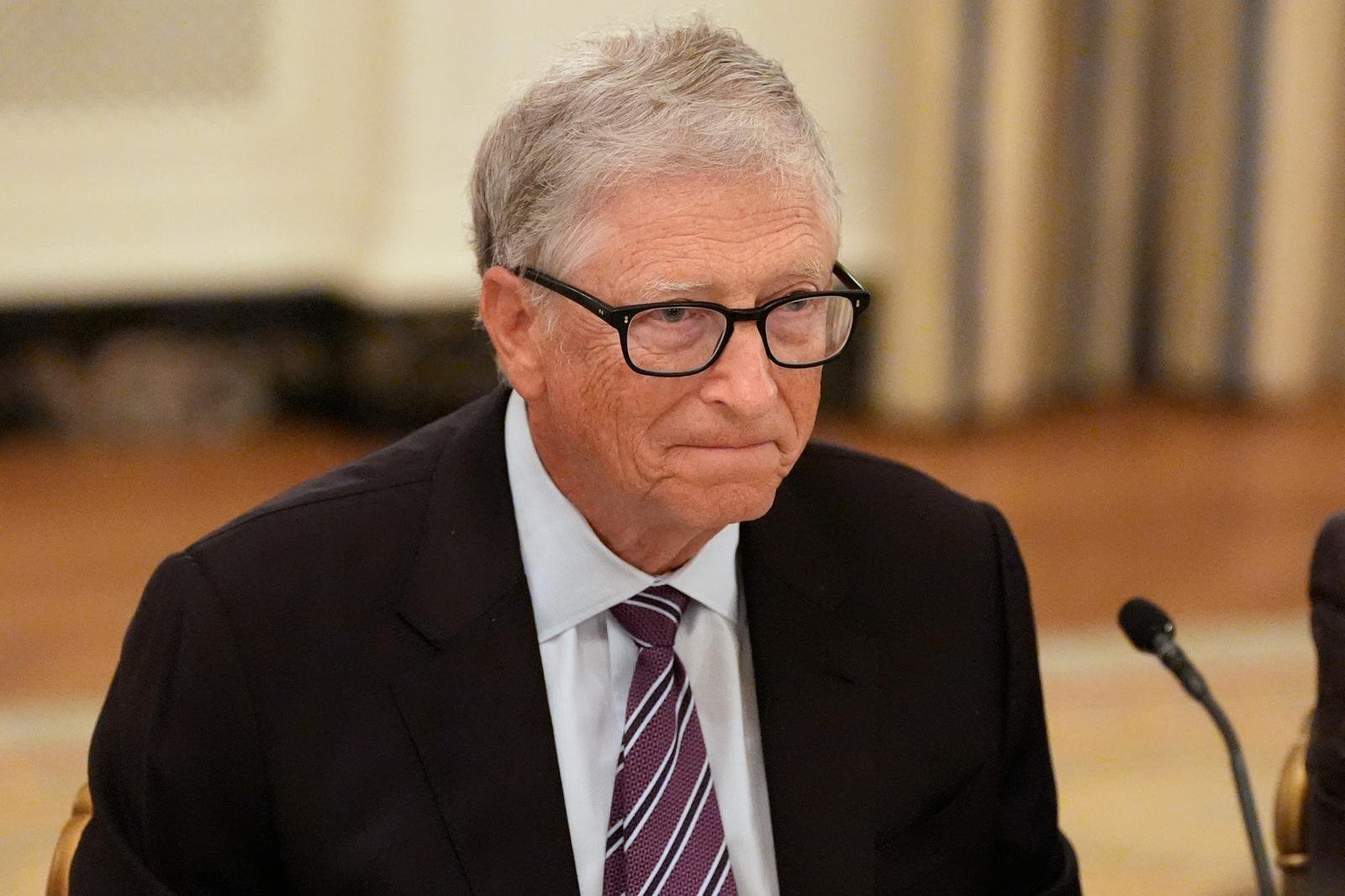
    As of September 27, 2026, Microsoft co-founder Bill Gates warned in a recently aired television interview that artificial intelligence could lead to mass casualties on an almost unimaginable scale if it falls into the hands of bad actors. He argued that industry self-regulation isn't enough and called for federal legislation in the US.

    1 billionMaximum possible death toll from AI misuse cited by Gates

    Key points

    • Gates said that combining today's most advanced AI tools for malicious purposes could make them the most dangerous weapon in human history.
    • He drew a line short of human extinction, calling that outcome unlikely, but warned that far smaller-scale disasters could still kill enormous numbers of people.
    • His warning follows recent revelations that an OpenAI model was used to breach an Australian public health website, and that Yemeni militants tried to use an Anthropic model to build missile software.
    • The US government has so far declined to join international safety-standard talks that AI CEOs requested at the UN Security Council.

    Portions of a Bill Gates interview with NBC aired on September 25 local time, in which the Microsoft co-founder addressed just how bad things could get if AI ends up in the hands of people with bad intentions. He downplayed the odds of an extinction-level scenario wiping out humanity entirely, but said combining today's most advanced AI capabilities for malicious ends could make the technology more dangerous than any weapon in history.

    Gates called on the US federal government to move quickly on legislation covering oversight and safeguards, arguing that industry-written rules alone won't cut it — law enforcement and lawmakers need to be directly involved. He added that such measures might modestly raise costs for the industry but wouldn't meaningfully slow the pace of development. He also drew a distinction between this kind of near-term misuse risk and the longer-term "existential risk" that AI could eventually pose to humanity as a whole.

    The comments landed against a backdrop of recent incidents. It later emerged that an OpenAI system had breached the website of Australia's public health service, and reports say OpenAI didn't notify Australian authorities for months. Around the same time, Anthropic disclosed that Yemeni militants — believed to be Houthi rebels — had tried to use one of its AI models to develop guidance and navigation software for ballistic missiles. Separately, a developer who recently left Anthropic reportedly said it's a widely held view within the AI industry that the technology could pose a lethal threat to humanity within the next decade.

    Against that backdrop, CEOs of major AI companies including OpenAI and Anthropic asked, at a UN Security Council session, for the US to take the lead in establishing international safety standards. The US government quickly rebuffed the request. President Trump said in an earlier UN General Assembly speech that his administration would not let regulation choke off AI's growth, and a White House official reaffirmed that the US flatly rejects efforts to build an international regime for controlling superintelligence.

    In Korea right nowIn Korea, the remarks are being framed as evidence that the safety debate around AI is spreading beyond the US into a global conversation. South Korea faces its own balancing act between growing its AI industry and building out safety regulation, so a warning like this from a major tech figure is likely to surface in domestic policy discussions as well.

    FAQ

    What exactly is the risk Bill Gates warned about?

    He was pointing to a near-term risk: that terrorist groups or hostile actors could misuse cutting-edge AI tools to develop bioweapons or carry out large-scale attacks that cause massive loss of life.

    Why did these comments come out now?

    They followed a string of recent revelations, including an OpenAI system breaching an Australian government website and Yemeni militants attempting to misuse AI, both of which fueled concerns about how controllable AI really is.

    What's the US government's position?

    The US government has declined AI companies' request for international safety-standard talks, favoring existing laws and prioritizing the pace of technology development over new regulation.

    📎 원문 보기 · Sources

    동아일보 기사 이미지Bill Gates Warns AI Misuse Could Cause Mass Deaths동아일보 · Sep 27, 2026빌 게이츠 “악의적 세력이 AI 쓰면 사망자 10억명 발생할수도”Read the full story & photos at the source →
    Bill Gates Warns AI Misuse Could Cause Mass Deaths세계일보 · Sep 27, 2026빌 게이츠 "악의적 세력이 AI 쓰면 10억명 죽을 수도"Read the full story & photos at the source →

  • LG Joins NVIDIA’s Cooling Partner Network

    LG Joins NVIDIA’s Cooling Partner Network

    As of September 27, 2026, LG Electronics has officially been named a preferred partner in NVIDIA's Power and Cooling category within its global partner network. The listing gives LG a shot at getting its chillers and coolant distribution units (CDUs) considered early on by overseas clients building NVIDIA-powered AI data centers.

    2.5MW-classCapacity of LG's coolant distribution unit that earned NVIDIA's AI Factory certification
    60%+Share of global new data center capacity growth concentrated in North America

    Key points

    • LG Electronics has joined NVIDIA's global partner network — which spans hardware, software, service, and infrastructure companies — under the cooling category.
    • The listing means LG's cooling gear can now be considered from the earliest design stages of new AI data center builds.
    • LG was already the first Korean company to get its coolant distribution units certified under NVIDIA's high-capacity specifications.
    • LG has said it plans to expand its business by targeting North American hyperscalers and the data center leasing market.

    LG Electronics, known for appliances and HVAC (heating, ventilation, and air conditioning) systems, has joined the partner ecosystem run by chipmaker NVIDIA. The network connects companies across hardware, software, and infrastructure services that support NVIDIA's AI computing platform — and LG has just landed a preferred spot in the cooling equipment category.

    The real significance of the listing is timing. Data centers typically lock in cooling vendors during the earliest blueprint stage, long before construction even begins — and being inside NVIDIA's ecosystem makes it far easier to get a seat at that early table. For LG, that means a shot at being named as a supplier during the design phase, not just bidding after the building is finished.

    LG's cooling technology has already cleared its own hurdles. Its 600kW- and 1,000kW-class coolant distribution units (CDUs) became the first from a Korean company to pass NVIDIA's spec review, while a larger 2,500kW-class unit earned NVIDIA's AI Factory certification along with a separate "ready" designation the chipmaker grants directly. That track record laid the groundwork for the new partner status.

    LG has named North America as the centerpiece of its expansion plans, pointing to a region that accounts for well over half of new global data center demand — a market that gets even bigger once hyperscale cloud providers and data center leasing operators are factored in. Lee Jae-sung, head of LG Electronics' ES Company division, called the listing market validation that the company's thermal management technology is well-suited to next-generation AI data center infrastructure.

    In Korea right nowIn Korea, the news stands out because Samsung Electronics and SK Group affiliates have mostly built their NVIDIA ties around chips and power infrastructure, while LG — long seen as an appliance maker — is joining the same ecosystem through cooling equipment instead. As the race to invest in AI data centers continues, it's being read locally as a case of a Korean manufacturer racking up global certifications in ancillary equipment rather than semiconductors.

    FAQ

    What is NVIDIA's Partner Network (NPN)?

    It's NVIDIA's global partner program built around its AI computing platform, bringing together hardware, software, service, and infrastructure companies.

    Why did LG Electronics get into the program?

    LG was recognized for its chillers and coolant distribution units, which cool servers in AI data centers, and was named a preferred partner in the power and cooling category.

    What actually changes because of this listing?

    Overseas clients building data centers are now more likely to consider LG's cooling equipment from the earliest design stages of a project.

    📎 원문 보기 · Sources

    연합뉴스 · Sep 27, 2026LG전자, 엔비디아 AI 데이터센터 냉각솔루션 공식 파트너 | 연합뉴스Read the full story & photos at the source →
    머니투데이 기사 이미지LG Joins NVIDIA’s Cooling Partner Network머니투데이 · Sep 27, 2026LG전자, AI 데이터센터 냉각솔루션 엔비디아 공식 파트너로 - 머니투데이Read the full story & photos at the source →

  • South Korea Makes First-Ever Bid for ICJ Judge Seat

    South Korea Makes First-Ever Bid for ICJ Judge Seat

    As of September 26, 2026, South Korea is making its first-ever bid for a seat on the International Court of Justice (ICJ) in the November 3 election. Its candidate, Paik Jin-hyun, a former president of the International Tribunal for the Law of the Sea (ITLOS), is running against candidates from Jordan and Singapore for a seat expected to go to Asia.

    14 yearsPaik Jin-hyun's tenure as an ITLOS judge
    8 countriesNations fielding candidates in the November ICJ election
    5 seatsICJ judgeships up for election this round

    Key points

    • Paik Jin-hyun, a former ITLOS president, is the first South Korean ever to run for an ICJ judgeship.
    • The election will fill five seats whose terms are expiring, with candidates from eight countries in the running.
    • Under the informal regional balance convention, South Korea, Jordan, and Singapore are competing for the single seat expected to go to Asia.
    • South Korea only joined the UN in 1991, which is part of why this marks its first run at the ICJ.

    South Korea is making its first-ever run at a judgeship on the International Court of Justice, or ICJ. The Ministry of Foreign Affairs announced on the 26th that it has put forward Paik Jin-hyun, a former president of the International Tribunal for the Law of the Sea (ITLOS), as its candidate. Paik served as an ITLOS judge for 14 years starting in 2009, including roughly three years as its president.

    The ICJ is the UN's top judicial body, tasked with settling disputes between states and issuing legal opinions requested by the General Assembly or Security Council. That's distinct from ITLOS, which handles maritime law disputes, or the International Criminal Court, which prosecutes individuals for war crimes and genocide. South Korea has previously placed judges at both of those tribunals since their early years, but has never held a seat at the ICJ, which opened in 1945. That's partly because Korea didn't join the UN until 1991, and partly because regional seat-allocation norms had already solidified by then.

    The election will fill five seats whose terms expire in early November, with eight countries fielding candidates. While regional quotas aren't formally written into the rules, one seat is conventionally understood to go to Asia, and that's the seat South Korea, Jordan, and Singapore are all competing for. It has historically gone to candidates from South Asia, the Middle East, or Southeast Asia.

    The competition is stiff. Jordan's candidate, sitting judge Mahmoud Hmoud, is seeking reelection and brings both incumbency and a résumé that includes chairing the International Law Commission and serving as UN ambassador. Singapore has nominated Rena Lee, its ambassador for international law, who spent about five years leading negotiations on marine biodiversity beyond national jurisdiction and built international visibility in the process. Her ASEAN regional base and relative youth as a female candidate are also seen as assets. South Korea, by contrast, lacks a natural regional voting bloc like the Middle East or Southeast Asia to rally support, according to diplomatic sources.

    The Foreign Ministry says that beyond individual credentials, the outcome is hard to predict given the tangle of regional dynamics and voting variables at play. Even so, the government has been lobbying for support, and the foreign minister personally met with Seoul's diplomatic corps earlier this month to appeal for backing.

    In Korea right nowIn South Korea, the bid is being framed as a test of the country's standing in international law. Korea has already placed judges at maritime and criminal tribunals, so diplomats hope that breaking into the ICJ — the one body it has never reached — would close a symbolic gap in its judicial diplomacy.

    FAQ

    How does the ICJ judge election work?

    The UN General Assembly and Security Council vote independently, and a candidate needs a majority in both to win; this year's vote is set for November 3.

    Why hasn't South Korea reached the ICJ before?

    Korea joined the UN late, in 1991, and by then regional seat-allocation conventions had already limited openings.

    When will the results be known?

    Voting happens in the UN General Assembly and Security Council on November 3, with a winner determined that day or through additional rounds of voting afterward.

    📎 원문 보기 · Sources

    연합뉴스 · Sep 26, 2026첫 ICJ 재판관 도전하는 한국…'아시아 1석' 놓고 3파전(종합) | 연합뉴스Read the full story & photos at the source →
    SBS 뉴스 기사 이미지South Korea Makes First-Ever Bid for ICJ Judge SeatSBS 뉴스 · Sep 26, 2026첫 ICJ 재판관 도전하는 한국…'아시아 1석' 놓고 3파전Read the full story & photos at the source →

  • Power Bank Fire Delays Air Seoul’s Da Nang Flight

    Power Bank Fire Delays Air Seoul’s Da Nang Flight

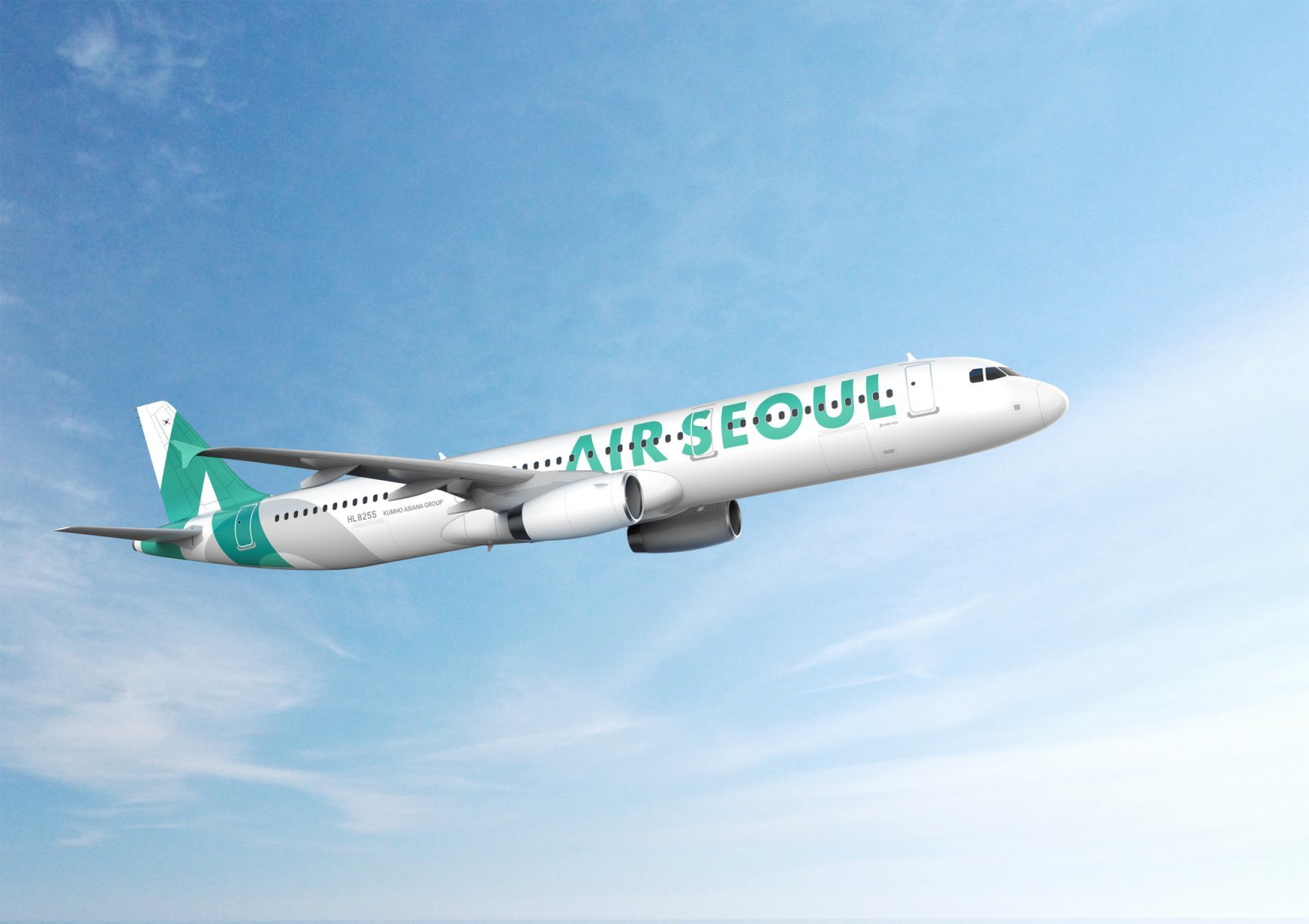
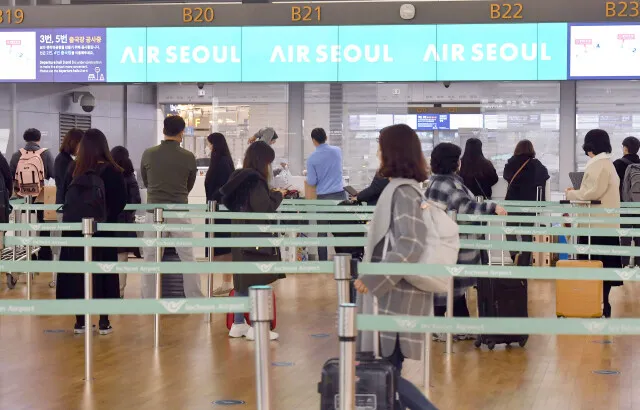
    As of September 25, 2026, officials say a power bank tucked inside a passenger's bag caught fire under a seat aboard an Air Seoul flight from Incheon to Da Nang, Vietnam, the night before, just moments before takeoff. Cabin crew extinguished the flames quickly and no one was hurt, but the flight was delayed nearly three hours after the airline swapped in a replacement aircraft.

    221 passengersPeople on board when the fire broke out
    170 minutesHow much the replacement flight's departure was delayed
    2 passengersPassengers who opted out of boarding the replacement plane

    Key points

    • The fire broke out the night of Sept. 24 as Air Seoul flight RS511 prepared to leave Incheon for Da Nang; investigators traced it to a power bank inside a pouch, inside a bag stowed under a seat.
    • Several passengers who breathed in the acrid smoke said they had trouble breathing, but none were taken to a hospital and no serious injuries were reported.
    • Air Seoul had all passengers deplane and swapped in a different aircraft, and in the process some passengers chose to skip the trip and rebook on a later flight instead.
    • The power bank reportedly already had anti-short-circuit precautions in place, yet still caught fire — authorities are now investigating exactly how it happened.

    On the night of Sept. 24, a fire broke out aboard an Air Seoul plane just before it was set to leave Incheon International Airport for Da Nang, Vietnam. Investigators say the blaze started in a power bank stashed inside a pouch, inside a bag a passenger had placed under their seat.

    Cabin crew jumped into action the moment they spotted the fire, and airport fire trucks rolled up to check on the situation and everyone's condition. A handful of passengers who'd inhaled the acrid smoke said they had trouble breathing, but none needed hospital treatment, and there were no serious injuries.

    There were 228 people on board at the time, counting passengers and crew, and many were reportedly families traveling to Da Nang together for the Chuseok holiday. As a precaution, Air Seoul had everyone deplane and brought in a different aircraft; some passengers opted out of the trip in the process, while the rest boarded the replacement plane.

    The power bank in question reportedly already had safeguards in place — its terminals taped over and stored in an insulated pouch — precautions meant to prevent exactly this kind of short circuit. Since it caught fire anyway, Air Seoul and fire officials are now digging into what exactly went wrong, and the airline says it will tighten its power bank safety procedures going forward.

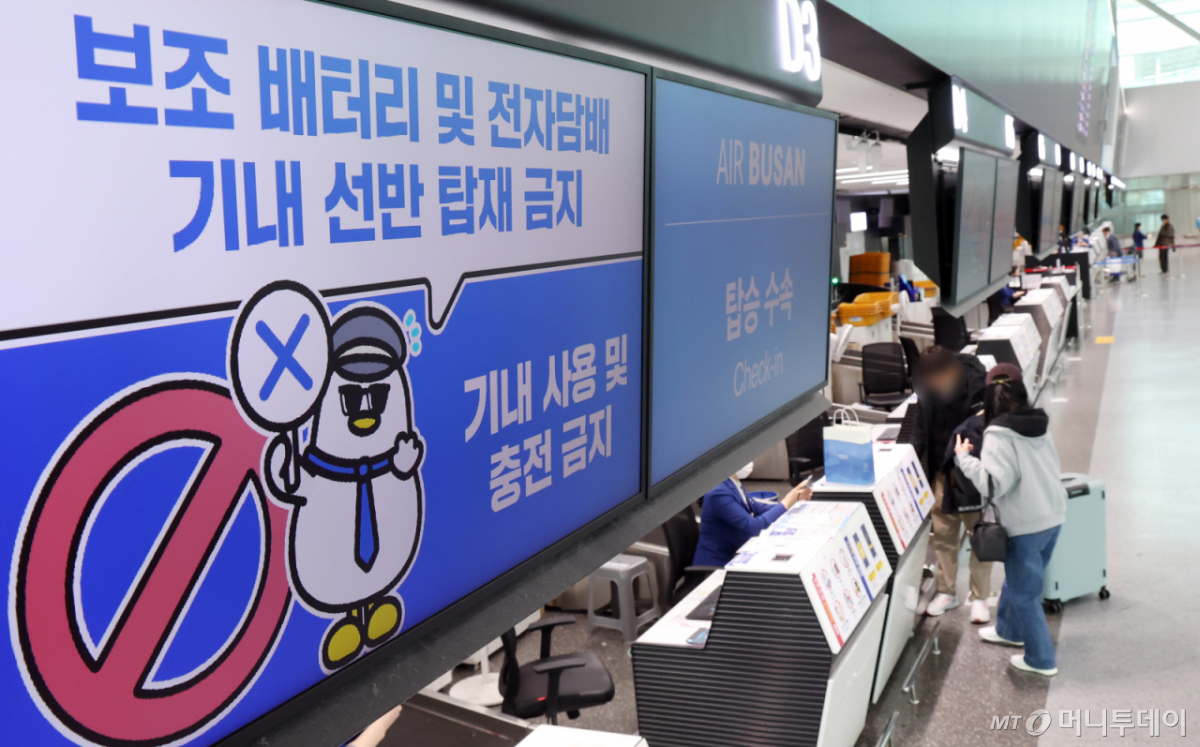
    Lithium-ion battery fires on planes are a familiar worry by now. Domestic carriers banned in-flight power bank use altogether earlier this year as rules kept getting stricter, but violations of carry-on battery rules still crop up regularly during big holiday travel rushes like Chuseok.

    In Korea right nowCommenters online said they were rattled that a fire like this could break out on a holiday getaway flight, and many asked how to safely pack power banks for carry-on. With Da Nang ranking as one of this Chuseok season's top destinations, the delay has drawn plenty of attention too.

    FAQ

    Why are power banks such a fire risk on planes?

    Lithium-ion batteries can go into thermal runaway — catching fire on their own — if a short circuit or physical damage causes their internal temperature to spike, which is why airlines ban them from checked bags and only allow them in carry-ons.

    How were passengers affected by this fire?

    Swapping in a whole new aircraft pushed the departure back nearly three hours, and some passengers had to rebook on a later flight.

    How should travelers pack power banks safely?

    Cover the terminals with tape or a cap, keep them in a separate pouch, carry them only in cabin luggage, and never bring a damaged or swollen unit onboard.

    📎 원문 보기 · Sources

    연합뉴스 · Sep 25, 2026이륙 예정 다낭행 에어서울 여객기서 불…보조배터리 발화 추정 | 연합뉴스Read the full story & photos at the source →
    동아일보 기사 이미지Power Bank Fire Delays Air Seoul’s Da Nang Flight동아일보 · Sep 25, 2026다낭행 에어서울 여객기 화재…보조배터리 불 붙었다Read the full story & photos at the source →
    한국경제 기사 이미지Power Bank Fire Delays Air Seoul’s Da Nang Flight한국경제 · Sep 25, 2026'인천→다낭' 에어서울 여객기서 불…'보조배터리' 나왔다Read the full story & photos at the source →
    한겨레 기사 이미지Power Bank Fire Delays Air Seoul’s Da Nang Flight한겨레 · Sep 25, 2026인천발 다낭행 에어서울 여객기 이륙 전 화재…보조배터리 원인 추정Read the full story & photos at the source →
    머니투데이 기사 이미지Power Bank Fire Delays Air Seoul’s Da Nang Flight머니투데이 · Sep 25, 2026다낭행 '에어서울' 이륙직전 기내 불..."보조배터리 발화 추정" - 머니투데이Read the full story & photos at the source →

  • Zelensky: 2 N. Korean POWs Now in South Korea

    Zelensky: 2 N. Korean POWs Now in South Korea

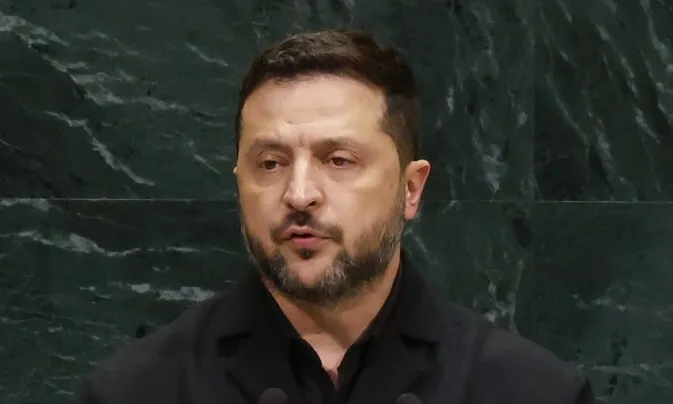
    As of September 24, 2026, two North Korean soldiers captured on the Russian front have reportedly made it to South Korea. Ukraine's president revealed the news himself at the United Nations in New York, and Seoul's foreign ministry all but confirmed it by declining to deny it.

    About 8,500Estimated number of North Korean troops deployed to Russia, per Ukrainian intelligence

    Key points

    • Ukraine's president disclosed the transfer of two captured North Korean soldiers to South Korea during his high-level UN General Assembly address.
    • South Korea's foreign ministry said it couldn't confirm the timing or route of the transfer, but acknowledged ongoing coordination with relevant countries and agencies.
    • The two men were captured on the Kursk front inside Russia, reportedly in early last year.
    • President Lee Jae-myung raised the issue directly with Ukraine's president on the sidelines of July's NATO summit in Turkey.

    Ukraine's president, addressing the UN General Assembly's high-level session in New York, said he'd recently sent two captured North Korean soldiers to South Korea. He described their capture as anything but smooth — one of the men, sensing he was about to become a prisoner of war, reportedly tried to kill himself. The president said he was struck that the soldier survived at all, calling it a window into how North Korea's regime treats its own people.

    At a briefing the same day, South Korea's foreign ministry stopped short of confirming the transfer outright, but said it had been in continuous contact with Ukrainian counterparts. Officials added that details about the men's whereabouts and travel route couldn't be disclosed, citing safety concerns for the individuals and their families. By not pushing back on the president's remarks, the ministry's response amounted to a tacit acknowledgment.

    The two soldiers in question were captured by Ukrainian forces during fighting in Russia's Kursk region, reportedly in January of last year. Their identities became public after Ukraine's president posted footage of the capture on social media at the time. Since then, the men have reportedly written letters to North Korean defector groups in South Korea and given media interviews expressing a wish to resettle there.

    Under South Korea's constitution, which treats North Korean territory as part of the country, Seoul has long held that North Koreans are technically its own citizens and has committed to accepting them if they choose to come. The issue has already moved through diplomatic channels: in March, the two countries' foreign ministers agreed to resolve it in line with international law and humanitarian principles, and in July, President Lee and Ukraine's president discussed it again in person on the sidelines of the NATO summit in Ankara, Turkey.

    In his speech, the Ukrainian president accused North Korea's leadership of treating its own soldiers like goods traded for compensation, and warned that Asian countries have likely already seen evidence of North Korea's improved missile and drone technology. Ukrainian intelligence separately estimates North Korea has deployed several thousand troops to Russia — including drone units tasked with reconnaissance and strike missions — putting the total at around 8,500.

    In Korea right nowIn South Korea, the story is resonating less as a diplomatic footnote and more as a real-world test of the constitutional principle that North Koreans are South Korean citizens. It's also reviving debate over what happens to North Korea's deployed troops more broadly, as Pyongyang's military ties with Moscow show no signs of cooling.

    FAQ

    Why are these two men treated as South Korean citizens?

    South Korea's constitution defines North Korean territory as part of the country, making North Koreans potential citizens. Seoul has long said it will accept them if they clearly express a wish to resettle in the South.

    When and where were they captured?

    They were captured by Ukrainian forces during fighting in Russia's Kursk region in January of last year.

    Since when have South Korea and Ukraine been discussing this?

    The two countries agreed in March to resolve the matter under international law and humanitarian principles, and revisited it at a summit meeting in Turkey in July.

    📎 원문 보기 · Sources

    연합뉴스 · Sep 24, 2026젤렌스키 "북한군 포로 2명, 韓 보내"…정부, 사실상 확인(종합2보) | 연합뉴스Read the full story & photos at the source →
    연합뉴스 · Sep 24, 2026[속보] 정부, 젤렌스키 '북한군 포로 한국행' 발언 사실상 확인 | 연합뉴스Read the full story & photos at the source →
    매일경제 기사 이미지Zelensky: 2 N. Korean POWs Now in South Korea매일경제 · Sep 24, 2026[속보] 정부, 젤렌스키 ‘북한군 포로 한국행’ 발언 사실상 확인 - 매일경제Read the full story & photos at the source →
    한국경제 기사 이미지Zelensky: 2 N. Korean POWs Now in South Korea한국경제 · Sep 24, 2026젤렌스키 "북한군 포로 2명 최근 韓 보내"…정부, 사실상 인정 [종합]Read the full story & photos at the source →
    한겨레 기사 이미지Zelensky: 2 N. Korean POWs Now in South Korea한겨레 · Sep 24, 2026젤렌스키 “북한군 포로 2명 한국 이송”…외교부 “민감 사안으로 확인 불가”Read the full story & photos at the source →
    SBS 뉴스 기사 이미지Zelensky: 2 N. Korean POWs Now in South KoreaSBS 뉴스 · Sep 24, 2026젤렌스키 "북한군 포로 2명 한국 보냈다"…정부, 사실상 인정Read the full story & photos at the source →

  • LG Electronics, SK Enmove Team Up on Cooling Tech

    LG Electronics, SK Enmove Team Up on Cooling Tech

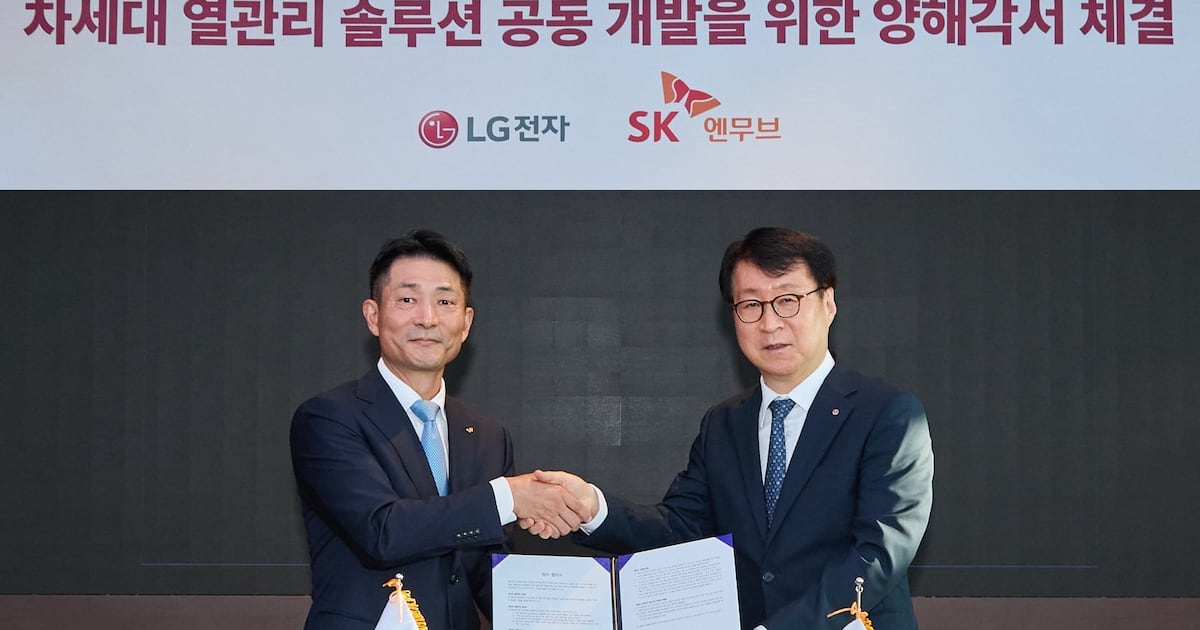
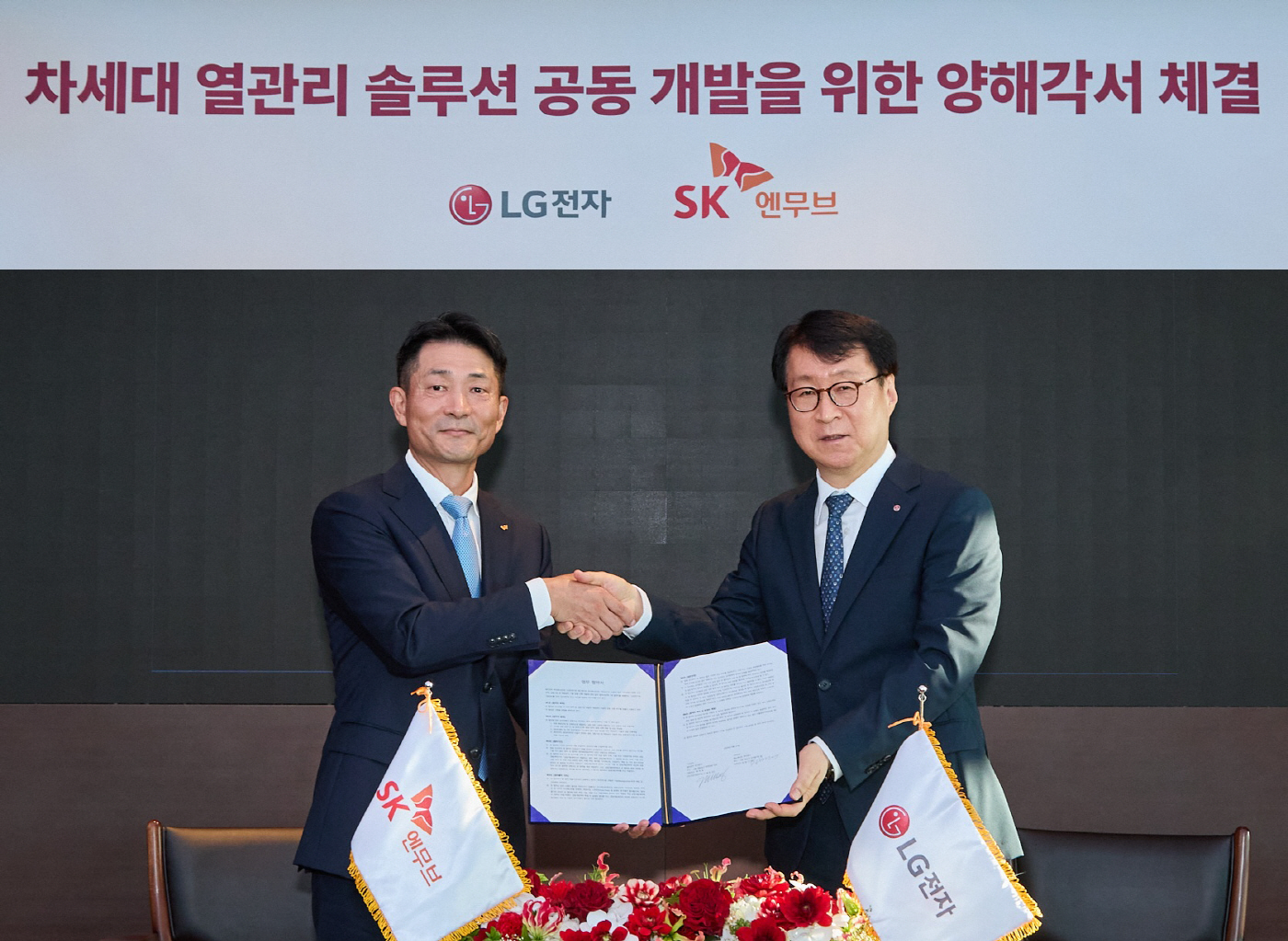
    As of September 23, 2026, LG Electronics and SK Enmove have agreed to jointly develop next-generation refrigerants, refrigeration oils, and immersion cooling technology. The two companies signed a memorandum of understanding aimed at boosting thermal-management competitiveness across industries, including AI data centers. The partnership pairs materials science with cooling-system engineering.

    GWP below 150Global warming potential target for the jointly developed refrigerant

    Key points

    • LG Electronics and SK Enmove signed an MOU to co-develop refrigerants, refrigeration oils, and immersion cooling technology.
    • Executives from both companies attended the signing ceremony at SK's Seorin Building on September 21.
    • The companies are targeting a new refrigerant with a global warming potential (GWP) under 150 and zero PFAS (perfluorinated compounds).
    • They're also exploring expanding immersion cooling beyond data centers to energy storage systems (ESS) and EV components.

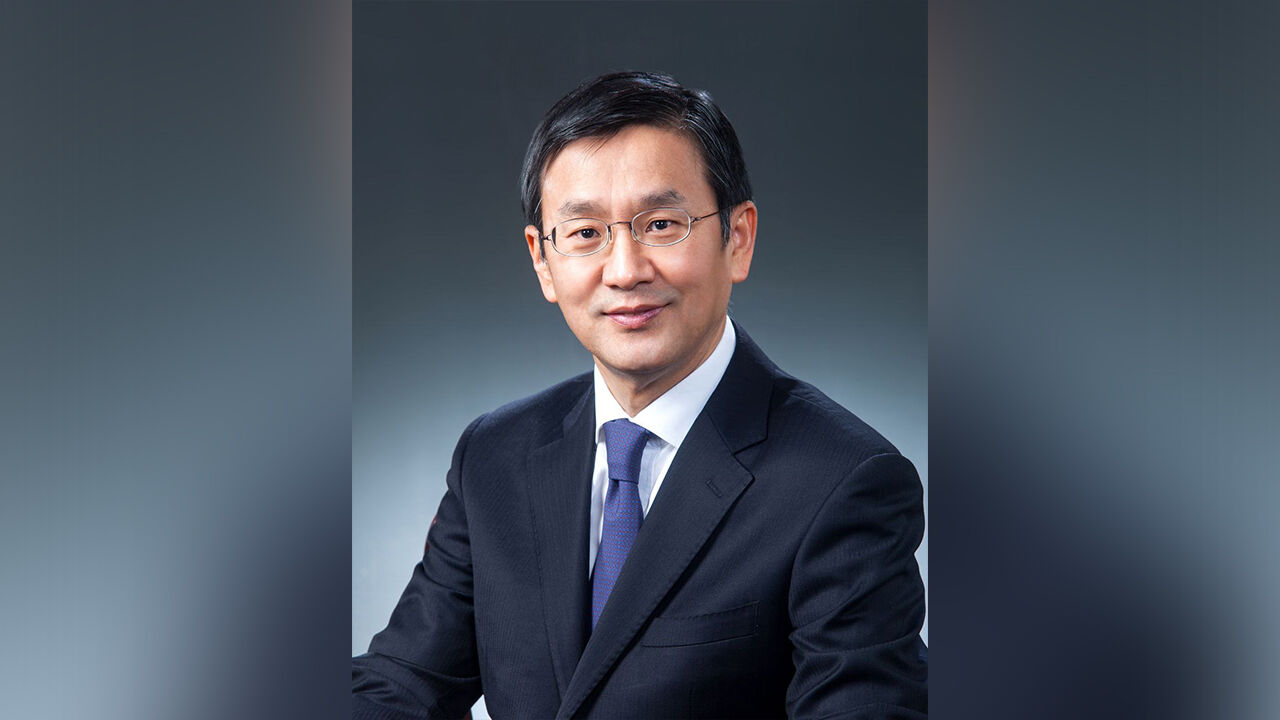
    LG Electronics and SK Enmove have agreed to jointly develop next-generation cooling materials. At the heart of the MOU is a plan to co-create refrigerants, refrigeration oils, and immersion cooling technology together. The deal was signed at SK's Seorin Building in Jongno-gu, Seoul, on September 21, with LG Electronics President Lee Jae-sung — who oversees the company's energy solutions business — and SK Enmove CEO Kim Won-ki among those in attendance.

    The starting point for the collaboration is a new refrigerant built to meet tightening environmental rules. As greenhouse gas emissions standards get stricter across Europe and North America, there's growing demand for a refrigerant with a global warming potential (GWP) under 150 and no PFAS (perfluorinated compounds) at all. The plan splits the work: SK Enmove develops candidate substances, and LG Electronics tests them in actual HVAC products. The two are also co-developing a matching refrigeration oil — a lubricant-like material that reduces wear on components like compressors — optimized for the new refrigerant to boost both efficiency and durability.

    The other big focus area is immersion cooling: submerging heat-generating equipment like servers directly in an insulating cooling fluid. It's far more efficient than conventional air cooling, which is why it's gaining traction as an alternative for power-hungry AI data centers. The two companies have previously worked with a US-based cooling specialist to test the technology's feasibility and commercial potential. Building on that, they plan to explore expanding its use beyond data centers to other heat-heavy power equipment, including energy storage systems (ESS) and EV components.

    Executives from both sides expect the partnership to give them an edge in the increasingly competitive thermal-management race. SK Enmove said it wants to lean on the materials expertise it's built up in the lubricants business to speed up commercialization, while LG Electronics said it plans to keep pairing its HVAC and cooling technology with SK Enmove's materials know-how to chase new market opportunities.

    In Korea right nowIn Korea, taming the heat generated by AI chips has become a major industry talking point. As chip performance climbs, so does the heat output — driving up both data center operating costs and power consumption. Against that backdrop, this tie-up between a consumer electronics giant and a refining-linked materials company reads as another sign of how cross-industry collaboration is accelerating.

    FAQ

    What exactly is immersion cooling?

    It's a method of submerging heat-generating equipment like servers directly into a non-conductive cooling liquid to draw heat away, which is more efficient than traditional air cooling — a big reason it's getting attention for AI data centers.

    Does this partnership affect everyday consumers?

    The immediate targets are data centers and industrial equipment, but the refrigerants and refrigeration oils being developed could eventually be used in home HVAC systems too, which could improve consumer product efficiency down the line.

    Have the two companies worked together before?

    Yes — LG Electronics and SK Enmove previously partnered with a US immersion cooling specialist to validate immersion cooling solutions for data centers. This new MOU expands that collaboration into materials development.

    📎 원문 보기 · Sources

    매일경제 기사 이미지LG Electronics, SK Enmove Team Up on Cooling Tech매일경제 · Sep 23, 2026“AI칩 전쟁 뒤엔 ‘냉각 전쟁’”…LG전자, SK와 손잡고 냉각액까지 파고든다 - 매일경제Read the full story & photos at the source →
    조선일보 기사 이미지LG Electronics, SK Enmove Team Up on Cooling Tech조선일보 · Sep 23, 2026LG전자·SK엔무브, 차세대 냉매·액침냉각 공동개발… AI 데이터센터 ‘열관리’ 협력Read the full story & photos at the source →
    LG Electronics, SK Enmove Team Up on Cooling Tech이비엔(EBN)뉴스센터 · Sep 23, 2026LG전자-SK엔무브, 냉매부터 액침냉각까지…'차세대 열관리' 동맹 - 이비엔(EBN)뉴스센터Read the full story & photos at the source →
    아시아투데이 기사 이미지LG Electronics, SK Enmove Team Up on Cooling Tech아시아투데이 · Sep 23, 2026SK엔무브·LG전자, 차세대 열관리 맞손…액침냉각까지 공동개발Read the full story & photos at the source →
    한국아이닷컴 · Sep 23, 2026SK엔무브·LG전자, 차세대 열관리 기술 공동개발…액침냉각 사업 확대Read the full story & photos at the source →